Aseptic Technique: Definition, 5 Principles, Types, and Examples
Aseptic technique is a set of practices used during clinical procedures to keep susceptible body sites, sterile equipment, and other critical areas free of harmful microorganisms. It helps reduce the risk of introducing harmful microorganisms during procedures such as wound care, catheter insertion, injections, and other invasive care.
Aseptic technique is not limited to wearing gloves. It involves careful hand hygiene, appropriate protective equipment, maintaining a clean or sterile field, and using equipment correctly. This article covers the definition, five key principles, common types and examples, mistakes to avoid, and practical safety measures.
What Does Aseptic Technique Aim to Prevent?
Aseptic technique aims to prevent harmful microorganisms from entering susceptible body sites in amounts that could cause infection.
It also protects sterile body sites, keeps equipment sterile, and reduces the spread of microorganisms between patients and surfaces. According to the Australian Commission on Safety and Quality in Health Care, these practices help protect patients from healthcare-associated infections.
Understanding pathogens and contamination helps explain how this risk develops.
What Are Pathogens?
Pathogens are microorganisms that can cause illness or infection. They are called germs and include certain bacteria, fungi, viruses, and parasites. Some pathogens spread through coughing and sneezing, while others spread through contaminated food, objects, insect bites, or close contact with an infected person.
During clinical procedures, understanding how pathogens spread helps healthcare professionals recognize potential infection risks and follow appropriate aseptic practices (Cleveland Clinic, 2025).
What Is Contamination?
Contamination occurs when microorganisms such as bacteria, viruses, or fungi are present on surfaces or medical equipment where they may pose an infection risk. In healthcare settings, contaminated surfaces and equipment can act as reservoirs for these microorganisms. They may reach patients through direct contact or when healthcare workers transfer them to their hands.
Contamination does not always lead to infection. However, it can increase the risk of healthcare-associated infections, particularly when harmful microorganisms reach vulnerable patients (Nature Portfolio, n.d.).
What Are the 5 Principles of Aseptic Technique?
The five principles of aseptic technique help healthcare professionals prepare for clinical procedures, maintain a clean working environment, and protect sterile equipment and vulnerable body sites from contamination. According to the Australian Commission on Safety and Quality in Health Care, these principles are sequencing, environmental control, hand hygiene, maintaining aseptic fields, and using personal protective equipment (PPE) (ACSQHC, 2021).
1. Sequencing
Sequencing means performing each step of a procedure in the correct order. Before starting, healthcare professionals should assess possible risks, gather the required supplies, check that equipment is intact and within its expiration date, and explain the procedure to the patient.
For example, before inserting a urinary catheter, a nurse should prepare the necessary equipment and plan the procedure to avoid unnecessary interruptions or breaks in aseptic technique.
2. Environmental Control
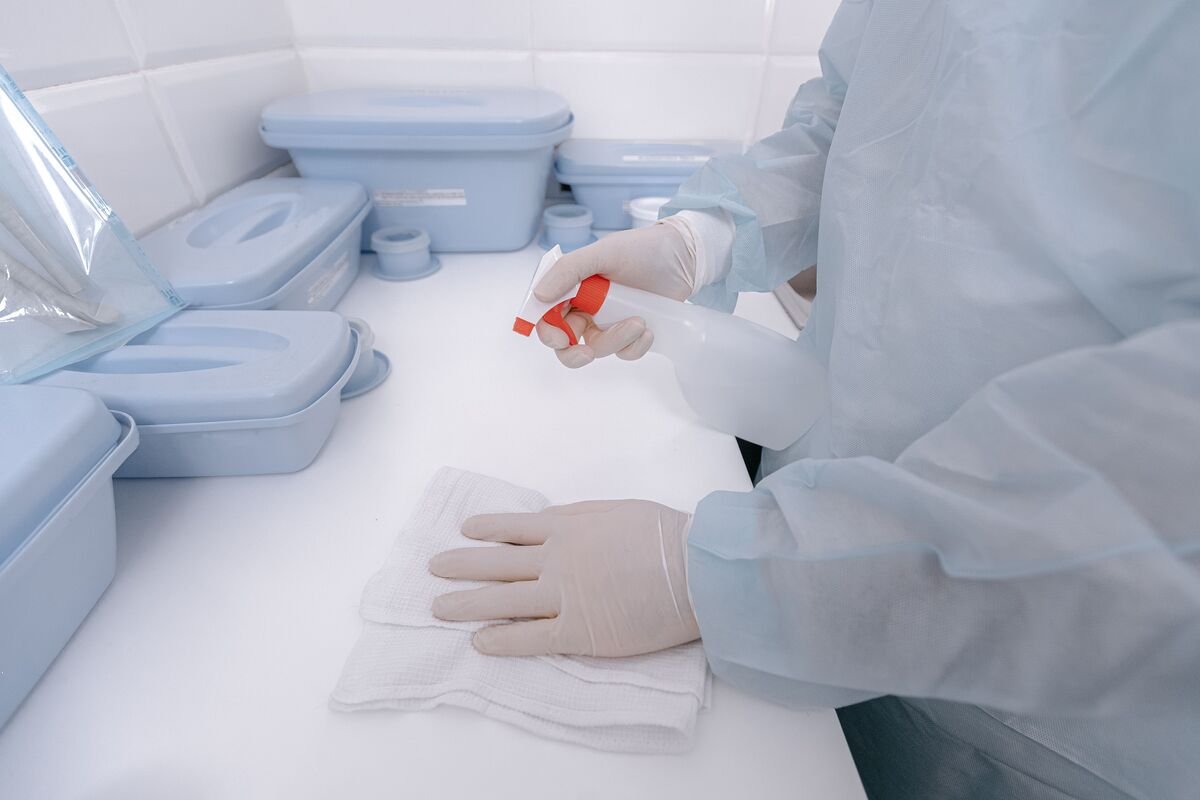
Environmental control involves managing the surroundings to reduce contamination risk during a procedure. Healthcare professionals should use a suitable work area, keep surfaces and equipment clean, and minimize avoidable activities that could disturb the procedure.
For example, postponing a dressing change until nearby cleaning has finished may help reduce the risk of contamination.
3. Hand Hygiene
Hand hygiene helps reduce the transfer of microorganisms during patient care. Healthcare professionals should clean their hands at appropriate moments before, during, and after an aseptic procedure, following the relevant clinical guidelines.
For example, a nurse should perform hand hygiene before putting on the required gloves and again after removing them. Gloves do not replace hand hygiene.
4. Maintenance of Aseptic Fields
An aseptic field is a controlled work area that protects key parts of equipment and key sites on the patient from contamination. Healthcare professionals should prepare the field correctly, protect sterile items, and use a technique suited to the procedure.
For example, during wound care, a nurse should keep sterile dressing materials protected and avoid touching parts that must remain sterile.
5. Personal Protective Equipment (PPE)
Personal protective equipment helps protect both the patient and healthcare worker during an aseptic procedure. The required PPE depends on the procedure and its risks. It may include gloves, a surgical mask, protective eyewear, or a gown.
For example, a nurse should determine whether the procedure requires sterile or non-sterile gloves and put on and remove PPE in the correct order.
What Are Key Parts and Key Sites in Aseptic Technique?
Key parts and key sites are two important concepts in aseptic technique. A key part is a sterile component of medical equipment, such as a needle hub, syringe tip, or the contents of a sterile dressing pack. These components play a direct role in procedures such as injections, intravenous therapy, and wound care.
If a key part becomes contaminated, microorganisms may enter the patient’s body during the procedure. Healthcare professionals should identify these parts before starting and handle them according to the procedure’s infection prevention guidelines.
A key site is an area where the skin has been penetrated or a route into the body that may allow pathogens to enter. Examples include a catheter insertion site, an intravenous access site, and an open wound.
What Are the Types of Aseptic Technique?
The type of aseptic technique used depends on the procedure and the level of aseptic control it requires. WebMD describes three types: sterile technique, surgical aseptic technique, and standard aseptic technique (WebMD Editorial Team, 2023).
1. Sterile Technique
Sterile technique uses a sterile field to reduce microorganisms during an invasive procedure. It can be used both inside and outside the operating room when a procedure could introduce microorganisms into the patient.
Where It Is Used: Sterile technique is used during invasive procedures, including procedures performed in the operating room and certain procedures performed outside the operating room.
Examples: Foley catheter insertion, arterial line insertion, and central line insertion may require a sterile field.
Anyone performing an invasive procedure should use sterile technique.
2. Surgical Aseptic Technique
Surgical aseptic technique refers to practices that prevent or minimize microorganisms from entering sterile areas of the body, such as through a surgical incision. It is used in addition to standard aseptic technique.
Where It Is Used: Surgical aseptic technique is necessary for technically complex surgical procedures that take longer than minor procedures, such as more than 20 minutes. These procedures also involve large open sites and multiple pieces of equipment.
What It Involves: Surgical aseptic technique includes:
- Ensuring that only sterilized equipment enters the sterile field.
- Setting up a sterile operating field where everything within the defined area is sterile.
- Using sterile gloves, gowns, drapes, and instruments.
- Performing surgical hand hygiene with an appropriate surgical handrub or cleanser.
- Using skin antisepsis around the surgical site.
3. Standard Aseptic Technique
Standard aseptic technique is used to treat wounds, perform simple procedures such as skin biopsies and suture removal, draw blood, and insert urinary catheters.
Where It Is Used: Examples include treating lacerations and ulcers, skin lesion biopsies, hormonal implant procedures, skin scrapings, suture removal, venipuncture, and urinary catheterization.
What It Involves: Standard aseptic technique includes hand hygiene, personal protective equipment when needed, clean single-use gloves, sterile water or saline for cleaning wounds, clean environmental surfaces, sterile instruments and equipment, and reprocessing reusable medical devices between patients. It also uses a no-touch technique to avoid direct contact between the healthcare professional’s hands and the patient during the procedure.
What Is the Difference Between Aseptic, Sterile, and Clean Technique?
| Technique | What It Means | Example |
|---|---|---|
| Aseptic technique | Practices used to prevent the spread of infection-causing microorganisms during medical procedures. | Using appropriate barriers and sterile equipment during wound care. |
| Sterile | Describes instruments or environments that are free of viable microorganisms. | Sterilized surgical instruments. |
| Clean technique | Reduces the number and spread of germs but does not eliminate all microorganisms. | Wearing clean, nonsterile gloves from a box during appropriate patient care. |
What Are Common Aseptic Technique Mistakes?
Mistakes during aseptic medication preparation and administration can introduce microorganisms into injectable medicines and increase patient safety risks. A systematic review identified several unsafe practices, including inadequate disinfection, improper handling of medical equipment, and reusing syringes or medication containers (Suvikas-Peltonen et al., 2017).
- Skipping hand hygiene or hand disinfection.
- Leaving medication preparation surfaces uncleaned.
- Opening ampoules without first cleaning their necks.
- Skipping disinfection of vial rubber stoppers.
- Using IV injection ports without proper disinfection.
- Poor infection prevention during peripheral IV catheter placement and care.
- Reusing syringes.
- Using single-dose vials or ampoules for multiple patients.
- Improperly handling infusion set needles.
- Using open infusion containers instead of closed containers.
- Preparing medications in an unclean environment.
What Happens If Aseptic Technique Is Broken?
Breaking aseptic technique can allow harmful microorganisms to enter a wound, sterile area, or medical device. This can increase the risk of healthcare-associated infections (Cherney, 2018).
The consequences depend on the procedure and the type of contamination. Possible infections include surgical site infections, catheter-associated urinary tract infections (CAUTIs), and central line-associated bloodstream infections (CLABSIs) (Cherney, 2018). Surgical site infections can cause pain and suffering, extend hospital stays, and increase healthcare costs (Hopper & Moss, 2010).
Healthcare professionals should recognize and correct breaks in sterile technique during surgical preparation and procedures to reduce infection risks and help prevent similar problems from happening again (Hopper & Moss, 2010).
Aseptic Technique in Microbiology Laboratories
In microbiology laboratories, aseptic technique helps prevent unwanted microorganisms from contaminating cultures, samples, and sterile materials. Microbes can enter cultures from the air, hands, work surfaces, dust, or improperly sterilized equipment. This contamination can interfere with experimental results and make it harder to obtain reliable findings (Siddiquee, 2017).
Laboratory workers use aseptic practices when transferring microorganisms between culture media, inoculating media, and maintaining pure cultures. Key practices include:
- Keep cultures and materials free from contamination: Use aseptic methods when handling cultures, transferring microorganisms, or working with sterile media and equipment.
- Clean laboratory work surfaces: Clean work areas with an appropriate disinfectant before and after working with microorganisms.
- Maintain good hand hygiene and use appropriate PPE: Wash hands at the required times and wear protective clothing and other equipment according to the laboratory’s biosafety procedures.
- Reduce contamination and exposure risks: Avoid procedures that may release infectious microorganisms into the air.
- Follow risk-based biosafety procedures: Use the containment measures, equipment, and safety practices appropriate for the microorganisms and activities involved. Laboratory personnel should follow institutional protocols and report accidents or spills promptly (Siddiquee, 2017).
The main goal is to protect cultures from unwanted microorganisms while reducing the risk of exposing laboratory workers and the surrounding environment to potentially harmful agents.
Clinical and laboratory aseptic techniques share the goal of preventing contamination, but they serve different purposes.
Clinical asepsis focuses on preventing infection during patient care. Laboratory asepsis helps maintain culture purity, improve experimental reliability, and reduce exposure risks.
For more detail on laboratory methods, culture handling, and lab safety, read [Aseptic Technique in Microbiology: Principles, Methods, and Lab Safety].
What Should Patients Know About Aseptic Technique at Home?
Some wound-care tasks at home require careful handling to help prevent infection. For example, changing a wound dressing may require specific supplies and careful handling.
Before changing a sterile dressing, ask a healthcare professional to demonstrate the procedure and let you practice it under their guidance. Follow their instructions and use the recommended supplies, which may include sterile gloves and a dressing change kit (Cherney, 2018).
Frequently Asked Questions
Does aseptic technique prevent all infections?
No. Aseptic technique helps prevent infection, but it cannot guarantee complete protection. Its effectiveness depends on proper hand hygiene, sterile equipment, protective barriers, and consistent infection control practices. It helps prevent contamination from external sources, such as hands, tools, and the environment. However, a patient’s own resident skin bacteria can still cause an infection if they enter a wound or surgical site (Cleveland Clinic, 2024).
When Is Aseptic Technique Used?
Healthcare professionals use aseptic technique during procedures that require strict infection control. These include surgery, childbirth, dialysis, urinary catheter insertion, IV line placement, chest tube insertion, and the placement of drainage devices. These precautions help prevent harmful microorganisms from entering the body and causing infections (Cherney, 2018).
What Are the Limitations of Aseptic Technique?
Aseptic technique reduces the risk of infection, but its effectiveness depends on consistent use and access to appropriate supplies. Shortages of sterile dressing materials, limited resources, staff shortages, and gaps in staff knowledge can make it difficult for healthcare professionals to follow aseptic procedures correctly (Tambe et al., 2019).
References
- Cleveland Clinic. (2025, June 17). What is a pathogen? https://my.clevelandclinic.org/health/articles/pathogen
- Nature Portfolio. (n.d.). Environmental contamination and infection control in healthcare settings. Nature Index. https://www.nature.com/nature-index/topics/l4/environmental-contamination-and-infection-control-in-healthcare-settings
- Suvikas-Peltonen, E., Hakoinen, S., Celikkayalar, E., Laaksonen, R., & Airaksinen, M. (2019). Incorrect aseptic techniques in medicine preparation and recommendations for safer practices: A systematic review. European Journal of Hospital Pharmacy, 26(3), 175–181. https://doi.org/10.1136/ejhpharm-2016-001015
- WebMD. (n.d.). What to know about aseptic technique. https://www.webmd.com/a-to-z-guides/what-to-know-about-aseptic-technique
- Siddiquee, S. (2017). The basic concept of microbiology. In Practical handbook of the biology and molecular diversity of Trichoderma species from tropical regions (pp. 1–15). Springer. https://doi.org/10.1007/978-3-319-64946-7_1
- Australian Commission on Safety and Quality in Health Care. (2021). Principles of aseptic technique: Information for healthcare workers. https://www.safetyandquality.gov.au/resources/principles-aseptic-technique-information-healthcare-workers
About the Author
John Watson founded StressHealed, a platform dedicated to evidence-based content on stress, wellbeing, and healthcare for nurses and frontline medical workers. John researches and writes about the healthcare system, from clinical workflows to workforce burnout, with content grounded in peer-reviewed studies, industry reports, and insights gathered directly from healthcare professionals.
Connect: stresshealed.com
Medical Disclaimer: This article is for educational purposes only and does not replace professional medical advice or training. Always follow your healthcare provider’s instructions for aseptic techniques and wound care.