First Steps After a Mental Health Diagnosis: What to Do Next
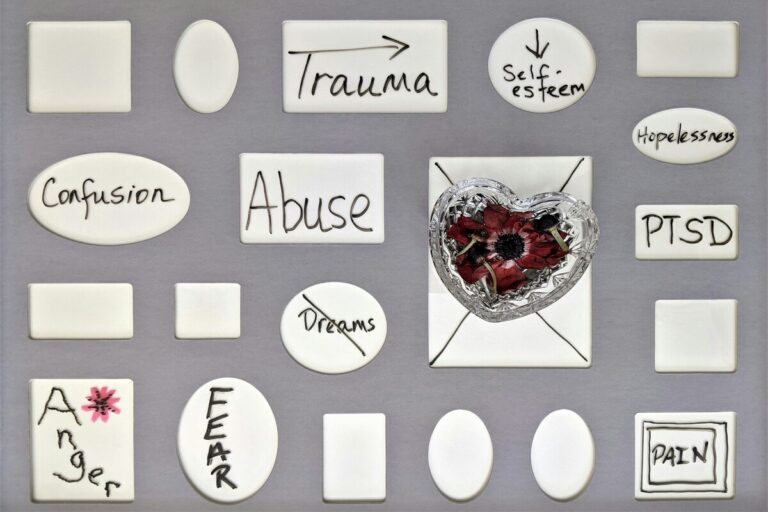
Receiving a mental health diagnosis can bring a mix of confusion, relief, fear, and uncertainty. Some conditions become easier to identify after a specific event, while others develop gradually without an obvious cause. It can take time to understand what you are experiencing and decide who to talk to about it.
Sharing your concerns with friends, family members, or a mental health professional can provide valuable support, but knowing what to do next can still feel difficult. Understanding the first steps after a mental health diagnosis can help you process your emotions, learn more about your condition, and identify the right support for your needs.
Adjusting to a diagnosis does not happen overnight. Taking time to understand your feelings, build a support system, and develop healthy coping strategies can make the process more manageable. This guide explores practical ways to begin moving forward after receiving a diagnosis.
Give Yourself Time to Process the Diagnosis
After receiving a mental health diagnosis, one of the most important steps is to give yourself time to process the experience. A diagnosis can bring a range of emotions, and taking a break from daily pressures can help you understand and accept what you are going through.
Everyone responds differently after receiving a diagnosis. Some people may need quiet time alone to reflect, while others may feel more comfortable being around supportive friends and family. The most important thing is to focus on gentle activities that help you feel calm, supported, and emotionally balanced.
If your mental health condition is connected to workplace stress, particularly in high-pressure roles such as nursing, taking some time away from work may allow you to focus on your recovery and wellbeing. Similarly, if your mental health has been affected by a traumatic workplace incident, seeking professional advice from a solicitor’s firm like Bond Turner can help you understand the support and options available, including mental injury compensation.
Ask Your Healthcare Provider Questions About Your Diagnosis
Even after receiving a professional diagnosis, you may still have questions about your condition and what to expect next. Asking questions can help you understand your symptoms, possible causes, treatment options, and ways to manage difficult moments.
Your diagnosing healthcare professional is usually the best source of information because they understand your individual situation and can provide guidance based on your needs. Online research can also be useful, but stick to reputable medical and mental health sources rather than relying on unverified websites or social media.
The more you understand your diagnosis, the easier it can be to recognize changes in your mental health, prepare for challenges, and make informed decisions about your care.
Track Your Thoughts, Feelings, and Symptoms

Keeping a record of your thoughts, emotions, and daily experiences can help you better understand your mental health journey. Everyone experiences mental health conditions differently, and tracking your feelings can help you identify patterns and triggers over time.
When journaling, consider noting:
- Daily emotions: How you feel throughout the day.
- Thought patterns: Repeated thoughts or worries.
- Triggers: Situations that affect your mood.
- Changes in symptoms: Any improvements or difficult periods.
- Lifestyle factors: Sleep, routines, or activities that influence your wellbeing.
For example, you may notice that your mood becomes lower after certain situations or at specific times of the day. Recognizing these patterns can help you prepare for challenges and discuss important changes with your healthcare provider.
You can use a traditional notebook or a digital journal on your phone. The best method is the one that feels comfortable and helps you stay consistent.
If you are unsure how stress may be affecting your daily life, a stress level checker can help you better understand your current stress levels and identify areas where support may be needed.
Build a Support System Around You
Opening up to others can feel difficult when you are dealing with a mental health condition. You may worry about being misunderstood or feel unsure about how much you want to share. However, connecting with trusted people can provide comfort, encouragement, and emotional support during this time.
You do not have to discuss your diagnosis immediately. Spending time with supportive friends or family members can simply help you feel less isolated and give your mind a break from difficult thoughts.
When you feel ready, sharing your experience with someone you trust can help you:
- Feel heard and understood.
- Express your emotions openly.
- Receive support during challenging moments.
- Build confidence in returning to daily activities.
Remember that support does not always mean receiving advice. Sometimes, having someone listen without judgment can be just as valuable.
Everyone’s recovery journey is different. Pay attention to what you need, accept difficult days as part of the process, and reach out for support when you need it.
Create a Healthy Daily Routine After a Diagnosis
Building a simple daily routine can provide structure and stability during a time when emotions and thoughts may feel difficult to manage. A predictable routine can make everyday tasks feel more manageable and help create a sense of control.
A healthy routine does not need to be complicated. Small, consistent habits can make a positive difference, such as:
- Maintain a regular sleep schedule: Going to bed and waking up at similar times can support better energy and emotional balance.
- Plan simple daily activities: Setting small goals, such as preparing a meal, taking a walk, or completing a household task, can create a sense of achievement.
- Make time for activities you enjoy: Reading, listening to music, spending time outdoors, or engaging in hobbies can provide moments of comfort and relaxation.
- Stay connected with others: Regular contact with supportive friends or family members can reduce feelings of isolation.
- Practice self-care: Taking breaks, eating regularly, and giving yourself time to rest can support overall wellbeing.
Remember that building a routine is a gradual process. Some days may feel easier than others, and the goal is not perfection but creating healthy habits that support your wellbeing.
Know When to Seek Additional Mental Health Support
While support from friends, family, and self-care strategies can be helpful, there may be times when additional professional support is needed. Recognizing when your current coping methods are not enough can help you get the right guidance before challenges become overwhelming.
Consider seeking additional support if you notice:
- Your symptoms are becoming harder to manage: Feelings of anxiety, sadness, fear, or emotional distress are becoming more intense or affecting your daily life.
- Daily activities feel difficult: Simple tasks such as going to work, maintaining relationships, completing household responsibilities, or taking care of yourself start to feel challenging.
- Your coping strategies are no longer helping: Activities that usually provide comfort or relief no longer improve your mood or help you manage difficult emotions.
- You feel increasingly isolated: You begin avoiding people, withdrawing from activities you once enjoyed, or struggling to communicate how you feel.
For example, someone recovering after an anxiety diagnosis may initially manage symptoms through journaling, relaxation techniques, and support from loved ones. However, if panic symptoms become more frequent, sleep is affected, or daily responsibilities become difficult to complete, it may be a sign that additional guidance from a mental health professional could be beneficial.
Seeking extra support does not mean you have failed to cope. Mental health needs can change over time, and reaching out for professional help can be an important step toward better understanding your emotions and improving your overall wellbeing.
Access to reliable online healthcare resources can also help individuals stay connected with support when they need it.
How to Respond When People Ask About Your Diagnosis

After sharing a mental health diagnosis, it is common for friends, family members, or colleagues to ask questions. While some people ask because they care, repeated questions can sometimes feel uncomfortable when you are still processing your own emotions.
Remember that you are not required to share more information than you feel comfortable discussing. You can choose what to explain, when to explain it, and who you want to involve in your journey.
Helpful ways to handle these conversations include:
- Share only what you are comfortable with: You can provide basic information without explaining every detail of your experience.
- Set clear boundaries: If a conversation feels too personal, it is okay to say that you are not ready to discuss certain topics.
- Explain how others can support you: Let people know whether you need someone to listen, spend time with you, or help with practical tasks.
- Prepare simple responses in advance: Having a few phrases ready can make difficult conversations easier.
For example, if a colleague asks about your diagnosis, you might say:
“I’m working through it and getting the support I need. I appreciate your concern, but I’m not ready to discuss the details right now.”
You may also find that some people respond with understanding, while others may not fully understand your experience. Focusing on supportive relationships can help you feel more comfortable and accepted as you move forward.
Bottom Line
Receiving a mental health diagnosis can be a life-changing experience, but it can also be the beginning of greater self-understanding. A diagnosis provides an opportunity to learn more about your thoughts, emotions, and the support that can help you move forward.
Everyone’s journey is different, and progress may happen gradually. Be patient with yourself and remember that seeking support is a sign of self-awareness, not weakness.
With the right understanding, care, and support, many people learn to manage their mental health effectively and create a more balanced, fulfilling future.
Disclaimer: If you have concerns about your mental health, symptoms, or emotional wellbeing, consider speaking with a qualified mental health professional who can provide advice based on your individual needs.