
The Role of Digital Healthcare Communication in Reducing Patient Anxiety
Healthcare can be an emotional experience for many people. Whether waiting for test results, preparing for surgery, managing a chronic condition, or visiting a doctor for the first time, patients often experience stress and uncertainty. While medical expertise plays a vital role in delivering quality care, clear and timely communication is equally important in helping patients feel informed, supported, and confident throughout their healthcare journey.
Digital healthcare communication has transformed the way healthcare providers connect with patients. Instead of relying only on phone calls or in-person visits, hospitals, clinics, and healthcare organizations now use patient portals, secure messaging platforms, telehealth services, email updates, mobile applications, and appointment reminders to share important information quickly and efficiently. These digital tools make communication more accessible while giving patients greater control over their healthcare experience.
As healthcare technology continues to evolve, digital communication has become an essential part of improving patient engagement and emotional well-being. This article explores how digital healthcare communication reduces patient anxiety, strengthens patient-provider relationships, and supports better healthcare outcomes through secure, personalized, and accessible communication strategies.
Understanding Patient Anxiety in Healthcare
Patient anxiety is one of the most common emotional challenges in healthcare. Regardless of age or medical condition, many individuals experience fear or uncertainty when seeking medical care. Anxiety may begin before an appointment, continue during treatment, or remain even after patients return home. Without proper communication, these feelings can increase and negatively affect the overall patient experience.
Factors That Contribute to Healthcare-Related Anxiety
Several factors can increase anxiety among patients during healthcare experiences. These concerns often come from uncertainty, lack of information, and challenges in understanding medical processes.
1. Fear of Serious Diagnoses
- Patients often feel stressed when waiting for medical results or evaluations.
- The possibility of a serious health condition can create fear and uncertainty.
2. Concerns About Medical Procedures
- Tests, surgeries, and unfamiliar treatments can make patients feel nervous.
- Fear of discomfort, risks, or complications may increase anxiety.
3. Difficulty Understanding Medical Information
- Complex medical terms and detailed treatment plans can confuse patients.
- A lack of clear explanations may make it harder for patients to understand their condition and available options.
4. Unexpected Healthcare Costs
- Concerns about medical bills and treatment affordability can create additional stress.
- Financial uncertainty may affect how patients approach healthcare decisions.
5. Delays in Appointments and Test Results
- Long waiting periods can increase worry, especially when patients do not know what to expect.
- Uncertainty during delays can make the healthcare experience more stressful.
6. Lack of Clear Communication and Reliable Information
- When healthcare providers do not provide timely answers or updates, patients may feel unsupported.
- Searching online for answers can sometimes expose patients to inaccurate information that increases fear.
If you are experiencing ongoing stress related to healthcare or daily life, a stress level checker can help you better understand your current stress levels and recognize when additional support may be helpful.
How Patient Anxiety Affects Healthcare Outcomes
Patient anxiety can also affect healthcare outcomes. Individuals who feel anxious may postpone medical appointments, avoid recommended treatments, or struggle to follow medication instructions correctly. High levels of stress can reduce patient confidence, weaken trust in healthcare providers, and negatively influence recovery.
What Is Digital Healthcare Communication?
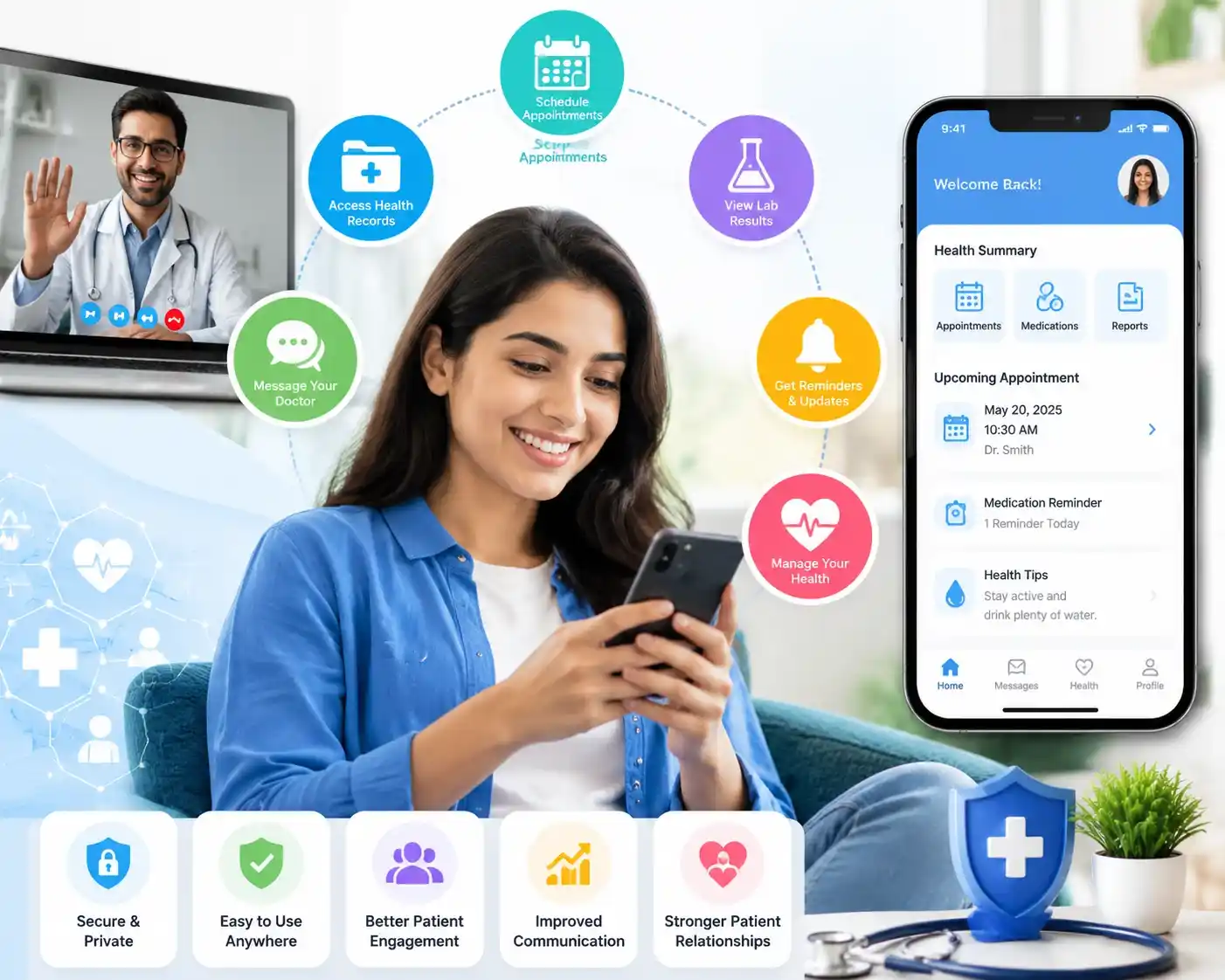
Digital healthcare communication describes how technology is used to connect people involved in healthcare, making it possible to share, receive, and discuss medical information through electronic channels. These technologies improve the speed, accessibility, and convenience of communication while helping patients stay informed throughout every stage of their healthcare journey.
How Modern Healthcare Organizations Support Patient Engagement
Modern healthcare organizations use digital communication solutions to help patients stay connected, informed, and actively involved in their care. These technologies make it easier for patients to access health information, communicate with providers, and manage their healthcare needs effectively. Key digital tools that support patient engagement include:
1. Patient Portals for Easy Access to Health Information
- Secure patient portals allow individuals to:
- View medical records.
- Check laboratory results.
- Schedule appointments.
- Communicate with healthcare providers.
2. Telehealth for Remote Healthcare Access
- Telehealth platforms enable patients to consult with doctors through video or audio calls.
- They reduce travel requirements and improve access to healthcare services, especially for patients who cannot easily visit clinics.
3. Digital Communication and Reminder Systems
Healthcare organizations use multiple communication channels to keep patients connected, including:
- Secure email updates.
- Appointment reminders through text messages.
- Prescription refill notifications.
- Mobile health applications.
- AI-powered virtual assistants for common questions.
These solutions help patients receive important updates on time and manage their healthcare needs more effectively.
Supporting Patients Beyond Clinical Visits
Digital healthcare platforms help maintain ongoing engagement between appointments by providing:
- Follow-up care instructions.
- Health education resources.
- Medication reminders.
- Wellness guidance.
For individuals adjusting to a new mental health condition, having access to the right information and support can make the transition easier. Learn more about the first steps after a mental health diagnosis and practical ways to begin moving forward.
Building Trust Through Better Digital Experiences
As patient expectations continue to evolve, secure and user-friendly digital communication systems have become an essential part of modern healthcare. These solutions help organizations:
- Deliver more personalized healthcare experiences.
- Improve patient communication.
- Build stronger relationships.
- Encourage active participation in care.
Ensuring Patient Data Privacy in Digital Healthcare
Trust is one of the foundations of quality healthcare. Patients are more willing to share personal information and follow medical advice when they believe their healthcare provider communicates openly and protects their privacy. Digital healthcare communication strengthens this trust by combining convenience with strong security measures.
Healthcare organizations must protect sensitive patient information across all digital communication channels. Key security measures include:
- Secure messaging systems to protect patient-provider conversations.
- Encrypted patient portals to keep medical records and personal data safe.
- Multi-factor authentication (MFA) to prevent unauthorized access.
- Protected cloud storage to safeguard confidential healthcare information.
These security measures allow patients to access digital healthcare services safely while maintaining privacy and trust.
Healthcare providers should also comply with regulations such as the HIPAA Privacy Rule established by the U.S. Department of Health and Human Services (HHS), which sets national standards for protecting patients’ health information. Following these standards helps organizations maintain patient confidentiality while building confidence in digital healthcare services.
Similarly, healthcare marketers and organizations that communicate with patients online should understand both HIPAA and GDPR requirements before launching digital communication strategies. Organizations seeking practical guidance can explore the Navigating HIPAA & GDPR in Medical Marketing compliance guide, which explains best practices for maintaining compliance while improving patient communication.
Key Strategies for Better Digital Healthcare Communication
Healthcare organizations can improve digital communication by focusing on clarity, accessibility, consistency, and continuous improvement.
Use Clear and Simple Language
- Avoid complex medical terms.
- Use short and easy-to-understand explanations.
- Help patients better understand their care.
Make Healthcare Information Accessible
- Use clear layouts and simple navigation.
- Support mobile-friendly experiences.
- Provide multilingual and accessibility features.
Maintain Consistent Communication Across Channels
- Keep information accurate across portals, apps, emails, and messages.
- Avoid conflicting updates.
- Create a reliable patient experience.
Measure and Improve Patient Communication
- Improve digital experiences based on patient needs.
- Track patient feedback and engagement.
- Monitor response times and communication effectiveness.
Common Challenges in Digital Healthcare Communication
Digital healthcare communication provides many benefits, but successful adoption requires healthcare organizations to overcome several practical challenges. From improving digital accessibility to supporting staff and patients, addressing these issues is essential for creating effective healthcare communication systems.
Digital Literacy
- Some patients struggle with portals and healthcare apps.
- Simple guides, tutorials, and support can improve usability.
Technology Access
- Limited internet or device access can exclude some patients.
- Offer phone, print, and digital communication options.
Staff Training
- Staff need training to use digital tools effectively.
- Regular training supports consistent and professional communication.
Maintaining Human Connection
- Empathy and personal communication remain essential in healthcare.
- Digital tools should complement, not replace, human interaction.
Looking Ahead: The Future of Digital Healthcare Communication
Digital healthcare communication will continue advancing as technologies like artificial intelligence, wearable devices, and predictive analytics become more integrated into patient care.
These innovations will help healthcare organizations deliver more proactive and efficient services while improving how patients interact with providers. However, the future of healthcare communication will depend on balancing technological progress with empathy, privacy, and human connection.
Organizations that use digital solutions responsibly will be better positioned to create accessible and patient-centered healthcare experiences.