How Stress Affects Your Oral Health (and What You Can Do About It)
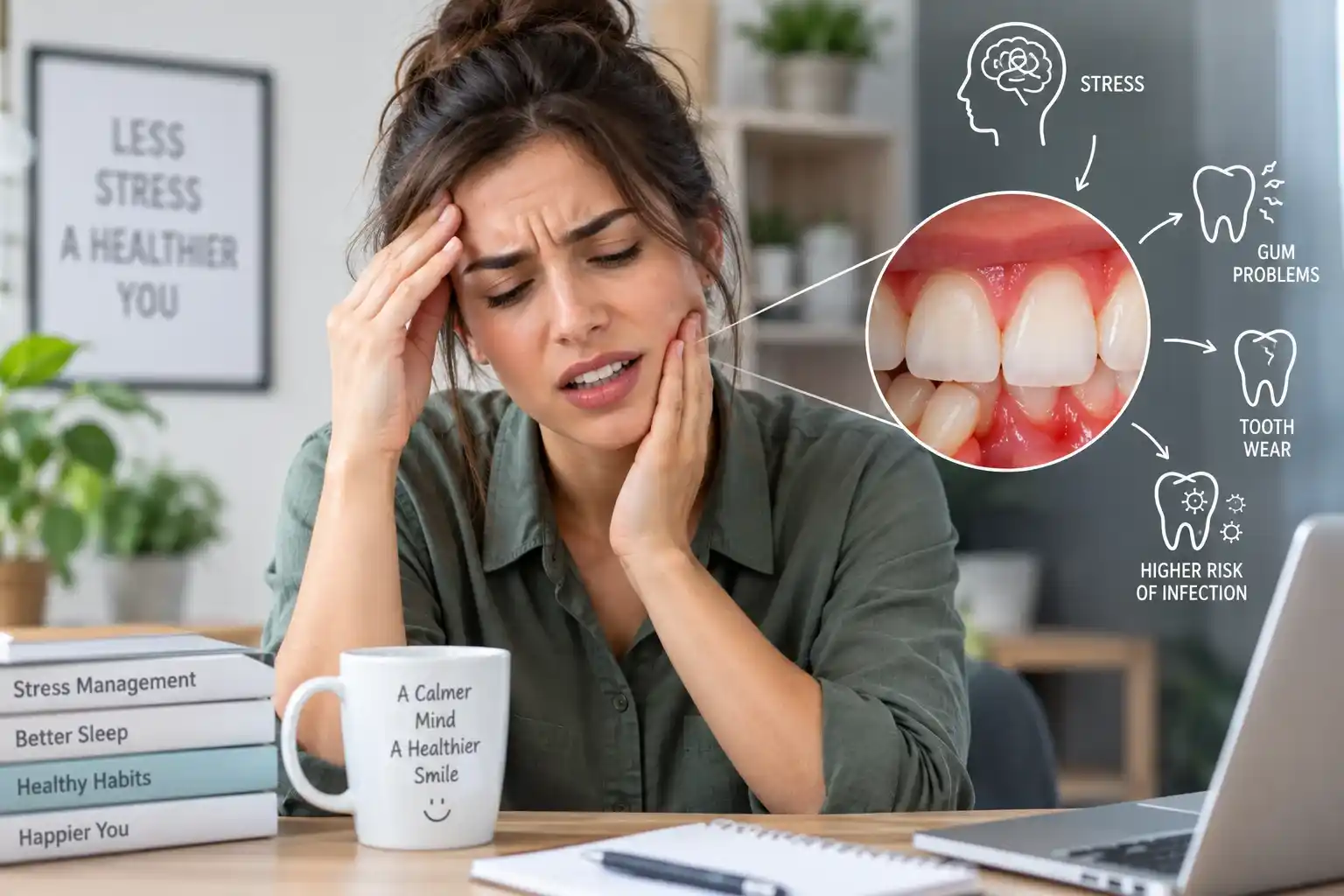
Can emotional pressure really cause physical problems inside your mouth? The connection may seem surprising, especially when you brush, floss, and attend regular dental visits. Yet stress can influence behaviors and bodily responses associated with jaw clenching, teeth grinding, and changes in daily oral care.
Learning how stress affects your oral health can make unexplained jaw soreness, morning headaches, tooth sensitivity, or recurring mouth discomfort easier to discuss with your dentist. This guide separates well-supported information from common assumptions and explains why oral symptoms vary from person to person. You will also learn which signs to monitor and when a professional dental evaluation may be appropriate.
What Stress Actually Does to Your Teeth and Gums
When you feel stressed, your body doesn’t just react emotionally. It goes into a physical alarm mode called the fight-or-flight response. This response releases stress hormones, mainly cortisol and adrenaline, that prepare your body to deal with a perceived threat.
Imagine slamming on the brakes to prevent a crash. Your body handles brief stress similarly by reacting quickly to danger. Once the danger passes, hormone levels drop back to normal. But when stress becomes constant, whether from work pressure, family responsibilities, or ongoing worry, those hormone levels never fully settle down.
This is where your mouth starts feeling the impact, in three specific ways.
1. Cortisol Levels Rise and Trigger Inflammation
Cortisol’s main job is to help your body respond to danger. In small doses, this is helpful. But when cortisol stays elevated for weeks or months, it starts to work against you.
Chronically high cortisol promotes inflammation throughout the body, including in the gum tissue. This makes your gums more sensitive, swollen, and reactive to the ordinary bacteria that live in your mouth every day.
2. Your Immune Defenses Weaken
Your immune system normally keeps oral bacteria under control. When it’s under pressure, plaque gets the upper hand.
- Your body becomes less able to fight off the bacteria in plaque
- Even if your brushing habits stay the same, weakened immunity lets plaque cause more damage than it normally would
- Infections can develop faster, take longer to heal, and become more severe
For example, someone going through a stressful exam season or a demanding work deadline may notice their gums bleeding more during brushing, even though nothing else about their routine has changed. That’s the immune-suppressing effect of stress showing up in real time.
3. Saliva Production Slows Down
Saliva does more than keep your mouth comfortable. It washes away food particles, neutralizes acid, and helps prevent both cavities and gum disease.
During the fight-or-flight response, your body redirects blood flow toward essential organs like the heart and muscles, and away from “non-essential” functions like your salivary glands. The result is less saliva, which leads to a dry, uncomfortable mouth, also known as xerostomia.
Less saliva means the mouth cannot wash away bacteria as effectively, potentially raising the risk of cavities and irritated gums.
If stress is affecting your daily life, our stress level checker can help you understand your current stress level and take the first step toward managing it.
Teeth Grinding, Pain & Sensitivity: The Physical Impact
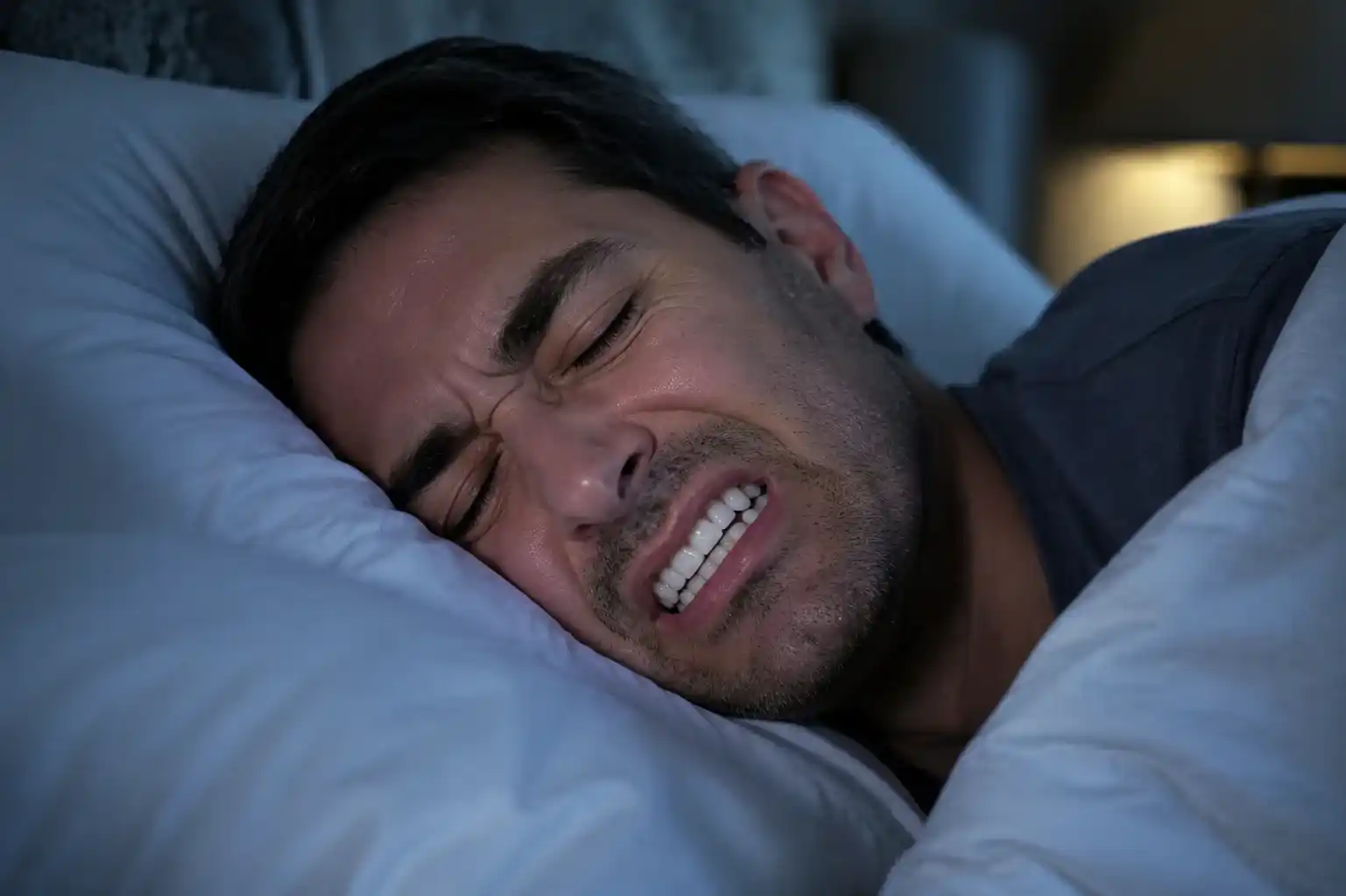
Stress often shows up in the jaw before you even notice it in your mind. One of the most common signs is teeth grinding and clenching, known as bruxism. It can happen quietly at night during sleep, or even during the day while you’re focused on something stressful, like a deadline or a tense conversation.
Why Grinding Damages Teeth So Quickly
When you eat, food absorbs some of the force from chewing. Grinding doesn’t have that cushion. Your teeth press directly against each other, sometimes for hours during sleep, with nothing to soften the impact.
- Enamel, the hard outer layer protecting your teeth, gradually wears thin.
- Once enamel is gone, it does not grow back.
- The layer beneath it, called dentin, contains nerve endings that are far more sensitive.
This is why tooth sensitivity often develops after teeth grinding. A sip of hot tea or a bite of ice cream can suddenly feel sharp and uncomfortable because there’s less protection between the nerve and the outside world.
When Grinding Reaches Your Jaw
Grinding puts pressure not just on teeth, but on the muscles and joints that move your jaw.
- Waking up with a sore or tight jaw.
- A clicking sound when opening your mouth wide.
- Headaches near the temples, especially in the morning.
Take someone going through a stretch of long work hours. They might chalk up their morning headaches to poor sleep, never realizing their jaw has been clenched tight for most of the night.
When Stress Puts Your Teeth at Risk of Falling Out
Stress alone won’t cost you a tooth overnight. But left unmanaged for months or years, it can set off a slow chain of events that genuinely puts your teeth at risk. Nearly half of adults over 30 in the United States have some form of gum disease, and most cases of adult tooth loss trace back to it, according to the CDC.
Gum Disease Is the Real Culprit
Periodontal disease is the leading cause of tooth loss in adults, and it rarely happens without warning. It builds gradually, often starting with signs people brush off as minor.
- Plaque collects along the gumline and hardens into tartar if it isn’t removed.
- This leads to gingivitis, the early stage, marked by red, swollen, or bleeding gums.
- Left untreated, gingivitis can advance to periodontitis, which breaks down the bone and tissue that hold teeth in place.
Once a tooth loses enough of that support, it can loosen, shift, or eventually fall out.
Which Habits Speed Up Gum Damage
Your immune system normally keeps this process in check. Behavior is the bigger factor here, often turning manageable gum irritation into something serious.
- Dental cleanings get postponed when things feel overwhelming.
- Brushing and flossing become rushed or skipped altogether.
- Sugary comfort foods often replace regular, balanced meals during stressful stretches.
Each choice seems small on its own. But over weeks or months, they add up, and gums stop getting the daily care they need.
Risk Factors: From Daily Habits to High-Pressure Jobs
Not everyone faces the same level of risk from stress-related oral damage. Certain habits and life circumstances make that damage more likely, or more severe. Everyday habits that raise the risk are as follows:
- Skipping regular dental checkups.
- Smoking or vaping.
- Leaving gum disease untreated.
Why Healthcare Workers and Shift Workers Face Extra Pressure
Some jobs come with a built-in disadvantage: irregular hours, high emotional demand, and little time for self-care. Nurses and other healthcare workers are a common example.
- Rotating or night shifts disrupt sleep and daily routines, including oral hygiene habits.
- Long hours often mean less time available for dental appointments.
- Research on workers in high-stress or shift-based roles has linked job strain to symptoms like mouth sores, gum swelling, and jaw discomfort.
Take a nurse working rotating night shifts. Sleep is inconsistent, breaks are short, and dental visits get pushed further down the priority list every time a schedule changes. A six-month cleaning turns into eight months, then a year, and by the time symptoms show up, gum disease has already had real time to take hold.
Healthcare workers aren’t the only ones affected. Shift workers, first responders, and caregivers often face the same pattern.
Six Ways Stress Shows Up in Your Mouth
Beyond grinding and gum trouble, stress leaves a few other marks in your mouth that often go unnoticed until they become uncomfortable.
1. Canker Sores
Canker sores: small, painful ulcers that show up on the tongue, inside the cheek, or along the gums. They’re not contagious, and they usually heal on their own within a week or two, but they can make eating and talking genuinely uncomfortable in the meantime.
2. Bad Breath
Stress can dry out your mouth and change your eating habits at the same time, both of which encourage the odor-causing bacteria behind persistent bad breath. It’s often one of the first signs people notice, even before anything shows up on a dental exam.
3. TMJ Discomfort
The joints connecting your jaw to your skull, known as the temporomandibular joints (TMJ), can become sore or stiff from repeated clenching. This can show up as popping sounds, difficulty opening your mouth fully, or a dull ache near your ears.
4. Nail Biting and Cheek Chewing
Stress often shows up as small, repetitive habits, such as biting nails, chewing the inside of the cheek, or picking at the lips. Over time, these can chip teeth, irritate soft tissue, and even shift tooth position slightly.
5. Slower Healing After Dental Work
If you’ve had a filling, extraction, or other dental procedure during a stressful stretch, you may notice it takes longer to feel normal again. Recovery depends on your body’s ability to repair tissue, and that process slows down under long-term strain.
6. Changes in Taste or Mouth Sensations
Some people notice a metallic taste, a burning sensation, or general mouth discomfort during high-stress periods, even without a clear dental cause. This is less common but well documented among people managing chronic stress or anxiety.
Related post: how mouthwash affects oral bacteria
The Two-Way Link Between Your Mouth and Your Mental Health
So far, this guide has looked at how stress affects your mouth. But the relationship runs in both directions; your oral health can affect your mental state just as much.
How Your Oral Health Affects Your Mental Health
- People with noticeable dental problems, such as missing teeth, decay, or persistent bad breath, often report feeling self-conscious about smiling or speaking in public.
- This can lead to social withdrawal, including avoiding photos, video calls, or conversations where their smile is visible.
- According to the National Health and Nutrition Examination Survey (NHANES), almost two-thirds of people with depression reported having a toothache in the past year, and half rated their teeth as being in fair or poor condition.
How Your Mental Health Affects Your Oral Health
- Depression and anxiety often lower motivation for daily brushing and flossing, which lets plaque build up faster than it normally would.
- Some medications prescribed for anxiety or depression list dry mouth as a side effect, separate from the dry mouth that stress hormones cause on their own, and this adds to the cavity risk over time.
- Low mood and anxiety can also increase cravings for sugary or starchy comfort foods, giving plaque bacteria even more fuel to work with.
- NHANES data also shows that more than half of adults with moderate depressive symptoms had some form of periodontal disease, a notably higher share than the general population.
Protecting Your Teeth From Stress
None of this has to cost you your smile. A few consistent habits go a long way, even during genuinely hard stretches.
Build a Few Non-Negotiables
- Keep brushing and flossing on autopilot. When everything else feels chaotic, a fixed routine- same time, same order- makes it easier to stick with, even on low-energy days.
- Stay hydrated. Water helps offset dry mouth and supports natural saliva flow.
- Cut back on sugary comfort foods when possible. If you cannot brush right away, rinse with water instead.
Keep a Quick-Response Kit Ready
- A night guard can help with grinding, while a warm compress eases jaw tension and canker sore gel or rinses soothe mouth sores. Keeping these on hand means a flare-up does not derail your routine while you deal with everything else going on.
Manage the Root Cause
- Short daily habits- a walk, a few minutes of stretching, slow breathing before bed- can lower overall stress levels over time.
- If stress feels constant rather than occasional, talking to a therapist or counselor addresses the source rather than just the symptoms in your mouth.
A simple example: someone going through a demanding few months might not have time for a full self-care routine, but keeping a water bottle at their desk and setting a phone reminder to floss before bed are small, low-effort habits that still protect their mouth without adding pressure to an already full schedule.
When to See a Dentist
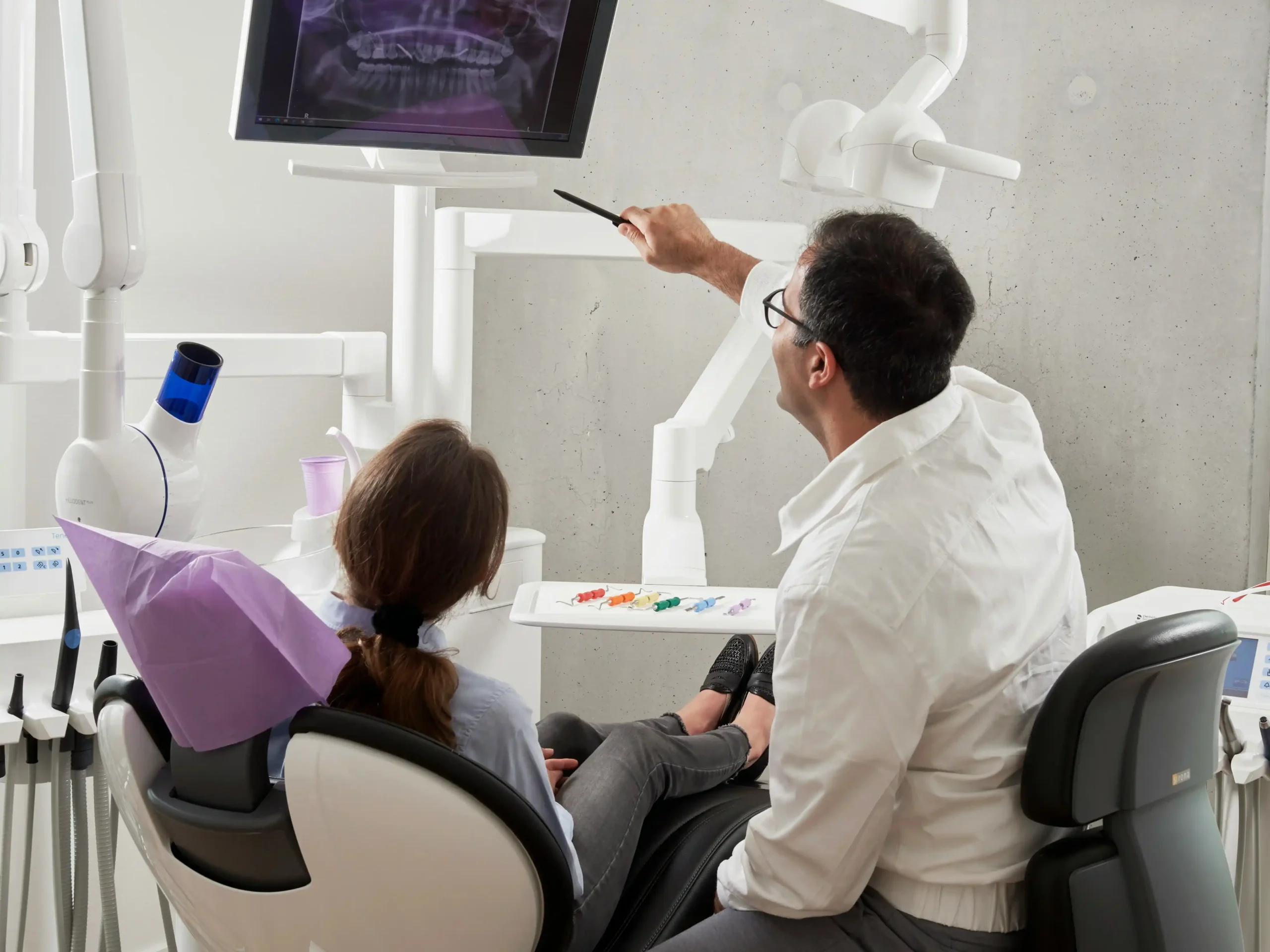
Most stress-related oral symptoms are manageable at home, but a few signs are worth getting checked rather than waiting it out.
- Jaw pain or stiffness that doesn’t improve after a week or two.
- Tooth sensitivity that’s new or getting worse, especially with hot, cold, or sweet foods.
- Gums that bleed regularly during brushing or flossing, not just occasionally.
- A canker sore that lasts longer than two weeks or keeps coming back in the same spot.
- Visible wear, chips, or flattened edges on your teeth, often a sign of grinding you may be unaware of.
- Persistent bad breath that doesn’t improve with brushing and hydration.
None of these symptoms mean something is seriously wrong. But catching them early is almost always easier and less costly than waiting until they progress, and a dentist can usually tell within one visit whether stress is a contributing factor.
The Bottom Line
Stress and oral health are not two separate conversations. Enough clinical research now backs this link that dental professionals are trained to read stress signals in a patient’s mouth the same way they read diet or genetics.
Treating a dentist as part of your overall health team, not someone you only see when something breaks, is one of the more reliable ways to catch problems early. The habits that protect your mouth during hard stretches largely overlap with the habits that protect the rest of your body, which makes them worth keeping even when everything else feels optional.
References
- Teeth Grinding (Bruxism) — Cleveland Clinic
- Bruxism (teeth grinding) — Mayo Clinic
- Stress and Your Oral Health — Cigna Healthcare
- Xerostomia (Dry Mouth) — American Dental Association
- Job Stress and Oral Health Symptoms — Yoshino, K., et al., Industrial Health
- How to Identify the Known Bruxism Causes — Colgate
Medical Disclaimer: This content is for informational purposes only and is not a substitute for professional medical advice, diagnosis, or treatment.