Broken Heart Syndrome in Nurses: Stress, Symptoms, and Recovery
What happens when emotional stress starts to feel like something is wrong with your heart? For nurses, that question can feel especially concerning after an emergency, patient loss, or demanding stretch of shifts. Broken Heart Syndrome in Nurses refers to takotsubo syndrome, a real heart condition that can develop after intense emotional or physical strain.
Its symptoms can resemble those of a heart attack, including chest pain and shortness of breath, so sudden symptoms require medical evaluation. Still, everyday stress, anxiety, or exhaustion does not mean someone has takotsubo syndrome. Understanding the condition can help nurses distinguish it from everyday workplace stress.
What Is Broken Heart Syndrome and How Does It Affect the Heart?
Broken Heart Syndrome is also called Takotsubo cardiomyopathy, a temporary heart condition linked to intense emotional or physical stress.
The name “Takotsubo” comes from a Japanese octopus trap. During an episode, the heart’s main pumping chamber bulges at the tip, creating a shape similar to the trap.
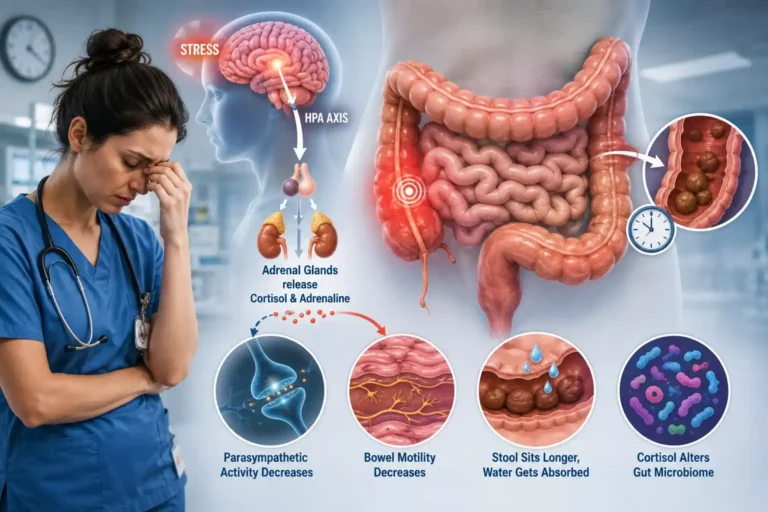
A spike of stress hormones, mainly adrenaline, can temporarily affect the heart muscle. The heart’s main pumping chamber weakens, which reduces its ability to pump blood normally.
The key difference is the underlying cause. A heart attack usually occurs when a blocked artery reduces blood flow to the heart muscle. Takotsubo syndrome can produce similar symptoms even when doctors do not find an obstructed coronary artery.
The heart often returns to normal function as it recovers, although the timeline can vary from person to person. The initial symptoms can feel frightening, and some people may develop serious complications that require medical care.
Why Nursing Can Place Extra Stress on the Heart
Nursing brings physical demands, emotional pressure, and constant decision-making. Rotating shifts, staffing shortages, and caring for vulnerable patients can add to that strain. Over time, these demands can contribute to chronic occupational stress, especially when nurses have little time to recover between shifts.
Some of the emotional challenges nurses may encounter include:
- Patient loss: A patient may die unexpectedly.
- Family distress: Nurses may support family members during highly emotional moments.
- Critical events: A situation may end differently than the care team hoped.
- Repeated exposure: Facing these situations regularly can place a significant emotional burden on nurses.
Published case reports have documented the condition in healthcare professionals facing intense workloads. One report described a healthcare worker who developed it during the COVID-19 pandemic, while another involved a physician who experienced it after prolonged work pressure.
If work-related pressure has been building up, our stress level checker can help you get a quick sense of your current stress levels.
How Night Shift Work Affects Recovery
Night shifts can disrupt the body’s natural cortisol rhythm, while sleep deprivation can affect stress hormone regulation. Poor sleep and limited recovery can also make the body more reactive to strain when a difficult event occurs.
Broken Heart Syndrome Symptoms in Nurses
Nurses are trained to recognize red flags in patients. The hard part is applying that same vigilance to themselves. Watch for these signs, especially after a rough shift or a personal loss:
- Sudden, sharp chest pain.
- Shortness of breath that comes on quickly.
- A racing, pounding, or irregular heartbeat.
- Lightheadedness or fainting.
- Sudden drop in blood pressure.
These symptoms can closely resemble those of a heart attack, making it difficult to tell the conditions apart based on symptoms alone. Anyone experiencing sudden or severe symptoms should seek emergency medical evaluation rather than trying to determine the cause themselves.
How Is Broken Heart Syndrome Diagnosed?
Doctors typically use several tests to assess heart function and confirm the diagnosis:
- Electrocardiogram (EKG): Records the heart’s electrical activity.
- Blood tests: Check for markers of heart muscle injury.
- Echocardiogram: Shows how well the heart is pumping and identifies changes in its movement.
- Coronary angiogram: Examines the coronary arteries for blockages.
- Cardiac MRI: Provides detailed images of the heart when further evaluation is needed.
Treatment, Recovery, and Follow-Up
Treatment is tailored to the patient’s heart function and any complications. Depending on the situation, doctors may use:
- Beta-blockers: Help slow the heart rate and reduce the heart’s workload.
- ACE inhibitors or ARBs: May support heart function and help control blood pressure.
- Diuretics: Reduce fluid buildup when congestion develops.
- Aspirin: May be used in some cases when clinically appropriate.
Most people regain normal heart function within a few weeks. Follow-up imaging, often performed several weeks after the initial episode, helps doctors assess recovery. Recurrence is possible, so follow-up care remains important.
Emotional Recovery Matters Too
Recovery can involve more than physical healing. Some people continue to experience fatigue or emotional difficulties after the acute episode. For nurses, returning to demanding clinical work can make recovery more challenging. Emotional support can be a valuable part of ongoing care.
Protecting Your Well-Being as a Nurse
Nurses spend their careers caring for patients, but their own well-being can easily fall to the bottom of the list. Making time for personal health matters too.
Practical Ways to Manage Shift Pressure
- Build in a decompression routine after intense shifts, even a five-minute pause before driving home.
- Use peer support or a trusted colleague to talk through a difficult case.
- Track physical symptoms like chest tightness or palpitations.
- Protect sleep as seriously as any clinical protocol.
- Seek counseling after a traumatic event rather than waiting for workplace burnout to peak.
- Make sure roughly 42% of your time is reserved for sleep, recovery, movement, meaningful connection, and other activities that help you recharge.
Simple Habits for Busy Shifts
Simple actions can lower the daily load of anxiety:
- Short walks between shifts.
- Take deep breaths before a difficult conversation with a family member or patient.
- Eat regularly and drink enough fluids during long shifts.
- Set boundaries around mandatory overtime when possible.
How Healthcare Organizations Can Support Nurses
Staff well-being is not only an individual responsibility. Healthcare organizations also shape the work environment and the support nurses receive.
Workplace Changes That Support Staff Well-Being
- Offer formal debriefing sessions after traumatic events like a failed code or patient death.
- Provide access to confidential mental health resources without stigma.
- Review staffing ratios regularly to prevent chronic overload.
- Train charge nurses and supervisors to recognize signs of staff burnout.
- Create a culture where taking a mental health day carries no shame
Physicians, nurse practitioners, medical assistants, and administrative staff all play a role here. A hospital that protects its staff protects its patients by extension. Exhausted, stressed clinicians make more errors and burn out faster, which drives turnover costs even higher.
Frequently Asked Questions
Can stress at work really cause broken heart syndrome?
Yes. Extreme emotional or physical stress can trigger a genuine, measurable cardiac event. The heart temporarily weakens in response to a hormone surge, and imaging confirms the physical change.
How is this different from a panic attack?
A panic attack does not cause measurable heart muscle weakness. Broken heart syndrome shows up clearly on an echocardiogram, with a distinct ballooning pattern in the heart’s main chamber. A panic attack, while distressing, does not produce this structural change.
Can a nurse return to work after recovering?
Most people recover heart function fully within weeks. Returning to work depends on individual recovery, cardiology clearance, and addressing the underlying tension that may have contributed to the episode. A gradual return with adjusted expectations often works better than jumping straight back into a full workload.
Does this only affect older women?
Postmenopausal women represent the majority of cases, largely due to reduced estrogen protection against stress hormones. However, cases have been documented in men and in healthcare workers across a range of ages, including younger clinicians under intense occupational pressure.
What should a nurse do if she feels chest pain during a tough shift?
Stop immediately and seek emergency evaluation. Never attempt to work through symptoms or assume it is only stress without medical confirmation. Because the symptoms mirror a heart attack so closely, only proper testing can tell the two apart.
Can Physical Stress Trigger Takotsubo Syndrome?
Yes. Takotsubo syndrome, or stress-induced cardiomyopathy, can also occur after major physical strain, including serious illness, surgery, or other significant physical strain. Emotional stress is not the only type of trigger.
Final Thoughts
Nurses spend their careers watching for warning signs in others. The irony is hard to miss: the same vigilance rarely gets turned inward. Broken heart syndrome is a real, physical reminder that chronic distress has consequences, even for the people trained to manage crisis for a living.
Recognizing the symptoms, building support systems, and pushing hospitals to prioritize staff well-being are not optional extras. They are part of protecting the workforce that protects everyone else’s health.
References
- Cleveland Clinic. “Broken Heart Syndrome.” Cleveland Clinic
- American Nurse Journal. “Takotsubo Cardiomyopathy: The Tale of a Broken Heart.” American Nurse Journal
- Critical Care Nurse, American Association of Critical-Care Nurses. “The Broken Heart Syndrome: Understanding Takotsubo Cardiomyopathy.” AACN Journals
- PubMed Central. “Takotsubo Cardiomyopathy in a Healthcare Worker During the COVID-19 Pandemic.” PubMed Central
- PubMed. “Takotsubo Syndrome Due to Occupational Stress in a Physician.” PubMed
- Johns Hopkins Medicine. “Broken Heart Syndrome.” Johns Hopkins Medicine
About the Author
John Watson founded StressHealed, a platform dedicated to evidence-based content on stress, wellbeing, and healthcare for nurses and frontline medical workers. John researches and writes about the healthcare system, from clinical workflows to workforce burnout, with content grounded in peer-reviewed studies, industry reports, and insights gathered directly from healthcare professionals.
Connect: stresshealed.com
Medical Disclaimer: This article is for informational purposes only and does not replace professional medical advice, diagnosis, or treatment. If you experience sudden chest pain, shortness of breath, or other serious symptoms, seek emergency medical care.