How to Stay Calm and Prepared for Your Cardiac Stress Test
What is a Cardiac Stress Test?
A cardiac stress test—also known as an exercise stress test or a treadmill test—is a diagnostic medical procedure used to evaluate how well your heart functions under physical demand. In a resting state, a standard EKG often fails to detect underlying blockages because the heart is not being pushed to its limit. This test is designed to uncover “silent” heart issues by monitoring your heart’s response to increased workloads, allowing specialists to identify potential risks like coronary artery disease before they become a life-threatening emergency.
How a Cardiac Stress Test Reveals Hidden Issues?
During the procedure, healthcare providers monitor your cardiac stress test, ECG, and blood pressure while you walk on a treadmill. By gradually increasing the treadmill stress test speed and incline, doctors push your heart toward its target heart rate to see if it receives an adequate supply of oxygen-rich blood. If there is a restriction in the coronary arteries, the heart’s electrical activity will show specific cardiac stress test ECG changes, providing a clear “roadmap” of your cardiovascular health and potential blockages.
When and Why Doctors Recommend a Cardiac Stress Evaluation
A cardiologist may order a stress evaluation for several clinical reasons. While most patients associate the test with a simple checkup, it is a sophisticated tool used to detect complex pathologies that remain hidden at rest.
1. Diagnosing Chronic Heart Conditions
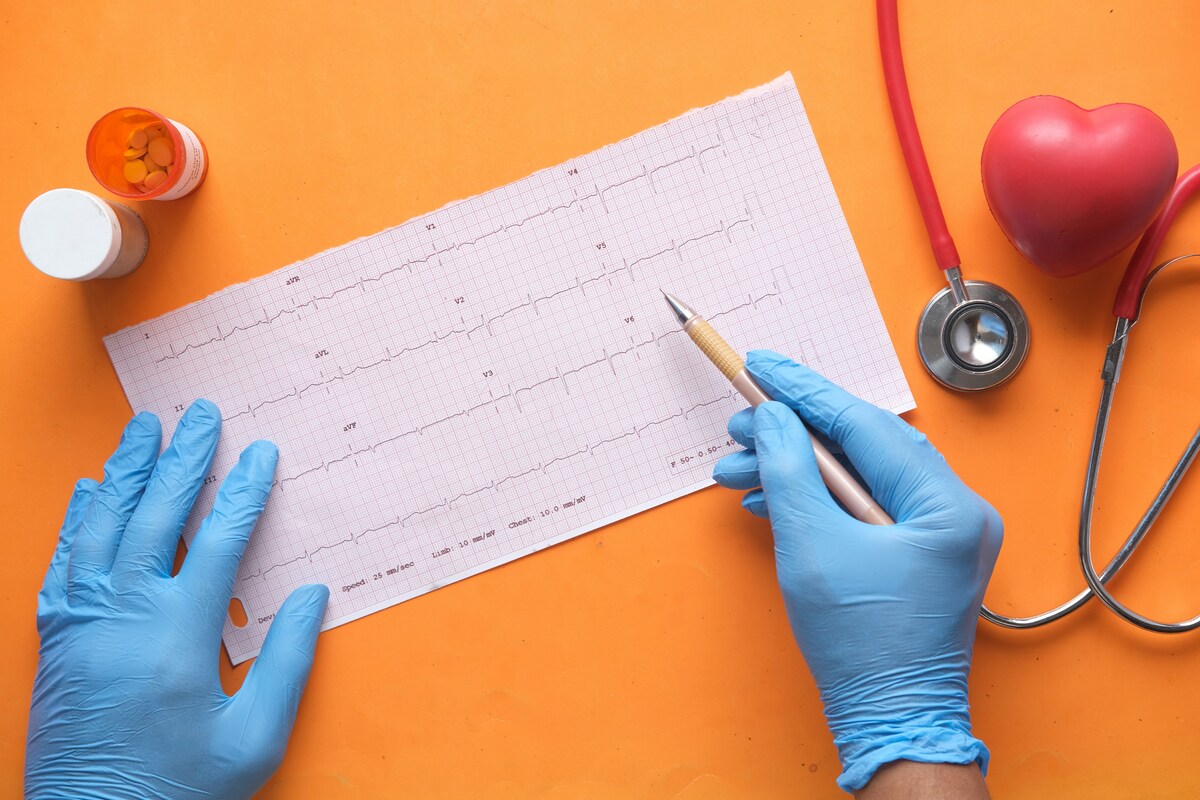
The primary goal is often to confirm or rule out underlying structural and functional issues. A cardiac stress test is essential for detecting:
- Coronary Artery Disease (CAD): Identifying narrowed or blocked arteries that cannot provide enough oxygen-rich blood during exertion.
- Heart Valve Disease: Evaluating how your heart’s valve functions under the pressure of a high target heart rate.
- Congestive Heart Failure: Assessing the heart’s pumping efficiency over time.
- Congenital Heart Disease: Monitoring birth-related heart defects in adult patients.
- Hypertrophic Cardiomyopathy: Detecting abnormally thickened heart muscle that may obstruct blood flow.
2. High-Risk Occupational Screening
Certain professions demand peak cardiovascular health to ensure public safety. Pilots, commercial truck drivers, and professional athletes often undergo regular treadmill stress test stages as a mandatory requirement. This ensures that their hearts can handle sudden physical or emotional “stress” without the risk of a sudden cardiac event.
3. Evaluating Symptom Triggers
If you experience Angina (chest pain), shortness of breath, or unexplained dizziness, a stress test allows doctors to “reproduce” these symptoms in a controlled environment. By monitoring your cardiac stress test ECG changes during these episodes, the medical team can pinpoint exactly what is causing you discomfort.
A Deep Dive into Cardiac Stress Testing Methods
Every heart is unique, which is why cardiologists use different “stressors” to evaluate cardiovascular health. Depending on your physical stamina and medical history, one of the following specialized protocols will be selected for your diagnostic journey.
The Traditional Route: Standard Exercise Stress Evaluation
This is the foundational method used for physically mobile patients. It involves walking on a treadmill or riding a stationary bike while a cardiac stress test nurse or exercise physiologist monitors your vitals. As the treadmill stress test speed and incline increase, your heart is pushed toward its target heart rate.
The primary goal here is to identify ECG changes in cardiac stress tests that suggest the heart isn’t getting enough oxygen during peak physical activity.
The “No-Walk” Solution: Pharmacological (Chemical) Stress Testing
For the elderly, patients with severe joint pain, or those with limited mobility, a “chemical” or cardiac stress test, Lexiscan, is the preferred alternative. Instead of physical movement, a medication—such as Lexiscan or Adenosine—is administered through an IV. These medications act as vasodilators, temporarily expanding the coronary arteries to simulate the blood flow of a high-intensity workout. This allows doctors to observe normal values on a cardiac stress test and potential blockages while the patient remains seated or lying down.
Visualizing the Muscle: Exercise Stress Echocardiography
Sometimes, an EKG alone doesn’t tell the whole story. An exercise stress echocardiogram adds a layer of visual data by using high-frequency sound waves (ultrasound). A technician captures images of the heart at rest and immediately after peak exercise. This allows the medical team to see exactly how the valve functions and how the heart’s pumping chambers (muscle walls) react to the “stress” of exertion. It is an excellent tool for patients whose initial EKG results may be inconclusive.
Precision Mapping: Nuclear Stress Imaging with Tracer
When a high level of accuracy is required to detect blockages, doctors turn to a nuclear stress test. This advanced procedure involves injecting a safe, minimal amount of radioactive dye (tracer) into the bloodstream. Using specialized cardiac stress test equipment, a gamma camera maps the blood flow to the heart muscle “at rest” and “after stress.” If the camera detects “cold spots” where the dye isn’t reaching the muscle, it indicates a significant blockage or potential coronary artery disease.
The Recovery Benchmark: Cardiac Rehabilitation Assessments
For patients recovering from a major cardiovascular event—such as a heart attack, stent placement, or bypass surgery—stress testing is not just a diagnostic tool; it is a vital roadmap for recovery. Within a structured cardiac rehabilitation program, these tests are used to monitor the heart’s healing process and are typically divided into two critical phases:
The Baseline (Entrance) Test: Setting Your Safety Limits
The Entrance Stress Test is conducted on your first day of cardiac rehab. Its primary purpose is to determine your current physical threshold after surgery or a heart event. By monitoring your cardiac stress test, ECG, and blood pressure at very low intensities, the medical team can identify the exact point where your heart begins to show signs of strain. This “baseline” data allows exercise physiologists to build a safe, personalized exercise routine that pushes you toward recovery without risking over-exertion or injury.
The Progress (Exit) Test: Proving Your Heart’s Strength
Conducted at the conclusion of your rehab program (usually after 12 weeks), the Exit Stress Test serves as your “final exam.” During this session, the technician will look for significant improvements in your cardiac stress test results, METs (Metabolic Equivalents). If you can reach a higher treadmill stress test stage than you did during your baseline, it proves that your heart muscle has strengthened. Successfully passing this test ensures your heart is resilient enough for independent, long-term physical activity and “normal” daily life.
Critical Reasons to Avoid a Cardiac Stress Test
While a cardiac stress evaluation is a standard procedure, it is not suitable for everyone. Beyond the obvious physical heart conditions, there are several systemic, neurological, and psychological factors that a cardiac stress test nurse must evaluate before being cleared for exercise stress test eligibility.
1. Acute Non-Cardiac Illness (Systemic Risk)
Any active illness that puts an extra burden on your metabolic system makes a stress test potentially dangerous. You should postpone the test if you are experiencing:
- Active Infections or Fever: High body temperature already “stresses” the heart. Adding exercise can lead to sudden dehydration or viral myocarditis.
- Acute Pulmonary Embolism: If there is a blood clot in your lungs, the sudden increase in treadmill stress test speed and incline can cause right-sided heart failure.
2. Neurological and Physical Mobility Limitations
If a patient cannot safely maintain the treadmill stress test stages, the diagnostic data will be flawed, and the risk of injury is high:
- Severe Vertigo or Balance Disorders: If you suffer from inner-ear issues, the motion of the treadmill can trigger a fall.
- Advanced Dementia or Cognitive Impairment: If a patient cannot follow the technician’s instructions to stop or slow down, the test becomes a safety hazard.
May you also read: Can Stress Cause Seizures?
3. Severe Psychological Distress (The Anxiety Trap)
This is the biggest gap in medical portals. A stress test should be postponed if a patient is experiencing:
- Acute Panic Disorder: If a patient is in the middle of a high-anxiety episode, their baseline target heart rate will be artificially elevated. This leads to “False Positives” and unnecessary follow-up procedures like cardiac catheterization.
- Extreme “White Coat” Hypertension: If a patient’s blood pressure spikes dangerously just by seeing the cardiac stress test equipment, the physical exertion of the test could push their BP into a stroke-risk zone.
4. Electrolyte and Metabolic Imbalances
Before the cardiac stress test machine is turned on, your blood chemistry must be stable. The test is contraindicated if you have:
- Severe Hypokalemia or Hyperkalemia: Abnormal potassium levels can cause fatal arrhythmias when the heart is stressed.
- Uncontrolled Hyperthyroidism: An overactive thyroid keeps the heart in a permanent state of stress; adding a treadmill test can trigger a “Thyroid Storm.”
Why These Gaps Matter for Your Health
By identifying these non-cardiac risks, your medical team ensures that the cardiac stress test ECG results are a true reflection of your heart health, not a side effect of a temporary infection or an anxiety attack. If you fall into any of these categories, your doctor may recommend a cardiac stress test, Lexiscan (chemical method), or wait until your systemic health is restored.
Calm Your Baseline: If you suspect your high heart rate is due to anxiety rather than a physical condition, use our Stress Level Checker to evaluate your mental state before arriving at the clinic.
Factors Influencing Test Eligibility
A cardiologist’s decision to proceed with a heart stress test is a calculated clinical choice. Before you are cleared for the treadmill stress test stages, your medical team performs a “Risk-Benefit Analysis” based on your unique biological and lifestyle profile. This ensures that the data gathered by the cardiac stress test machine is a true reflection of your heart health.
The following core factors determine your candidacy for the procedure:
1. Biological Markers & Hereditary Risk
Your internal “blueprint” plays a massive role in exercise stress test eligibility.
- The Age & Sex Factor: Cardiovascular risk naturally shifts as we age. Furthermore, since heart disease often manifests differently in women than in men, doctors tailor the cardiac stress test equipment and imaging methods based on these demographics.
- Genetic Predisposition: If your immediate family (parents or siblings) has a history of early heart disease or sudden cardiac events, your clinical priority for a cardiac stress test ECG increases significantly.
2. Medical History & Current Symptoms
Before you step onto the cardiac stress test machine, your doctor looks for specific “red flags” in your daily life:
- Active Symptomatology: Are you experiencing unexplained chest heaviness, angina, or shortness of breath? Reproducing these symptoms under the supervision of a cardiac stress test nurse is the best way to find their root cause.
- Co-existing Conditions: Having chronic issues like Diabetes, High Blood Pressure (Hypertension), or High Cholesterol makes a stress test a vital preventative tool rather than just a routine checkup.
3. Lifestyle & Behavioral Triggers
Your daily habits are the biggest predictors of heart health. Cardiologists evaluate:
- The Smoking Impact: Current or former smokers have a higher likelihood of showing abnormal cardiac stress test icd 10 results due to arterial damage.
- Physical Inactivity: If your level of physical activity is low, your heart may not be “conditioned” for sudden stress. Use our BMI Calculator and Calorie Calculator to establish your current physical baseline before your appointment.
Pre-Test Protocol: What to Avoid Before a Cardiac Stress Test
The accuracy of your heart evaluation depends heavily on your preparation in the 24 hours leading up to the appointment. Small mistakes, such as having a morning cup of coffee, can lead to an abnormal cardiac stress test result or force the technician to cancel the procedure entirely.
1. The Absolute Caffeine Ban (24 Hours Prior)

This is the most critical rule. You must strictly avoid all forms of caffeine, including coffee, tea, energy drinks, soda, and even “decaffeinated” beverages (which still contain trace amounts).
- The Science: If you are undergoing a cardiac stress test, Lexiscan, or Adenosine injection, caffeine acts as a direct chemical blocker to the medication. It prevents your coronary arteries from dilating, rendering the nuclear imaging results useless.
2. Fasting Requirements (4 Hours Prior)
To ensure your cardiac stress test target heart rate is reached safely, your body should not be busy digesting a heavy meal.
- The Protocol: Maintain a strict cardiac stress test fasting period for at least 4 hours before your appointment. You may usually have small sips of water, but a full stomach can cause nausea or vomiting as the treadmill stress test speed and incline increase.
3. Medication Interference

Certain medications can “mask” heart issues by keeping your heart rate artificially low.
- The Rule: Ask your doctor specifically about “Beta-blockers” or “Calcium channel blockers.” If you take these on the morning of the test, the cardiac stress test machine may not be able to push your heart to its peak, leading to an inconclusive result.
Note: Do not stop any prescription medication unless your cardiologist explicitly instructs you to do so.
4. Physical and Skin Preparation
- No Lotions or Oils: Do not apply body creams, oils, or powders to your chest. These substances prevent the cardiac stress test ECG electrodes from sticking properly to your skin, which creates “noise” on the electrical reading.
- Avoid Intense Exercise: Do not perform a heavy workout the morning of the test. Your heart needs to be at a true “resting baseline” before the treadmill stress test stages begin.
How the Treadmill Stress Test is Conducted
The actual exercise portion of a cardiac stress test typically lasts between 7 to 12 minutes, but the clinical preparation is what ensures diagnostic accuracy. Here is exactly what happens from the moment you enter the radiology or stress lab.
1. Preparation and Baseline Monitoring
Before the cardiac stress test machine is started, a cardiac stress test nurse or technician will place 10 small, sticky patches (electrodes) on your chest. These are connected to the cardiac stress test ECG monitor.
The Baseline: Your blood pressure and heart rate are recorded while you are sitting and standing. This establishes your “Resting Baseline” to compare against your “Stress Data” later.
2. The Active Phase (Treadmill Stages)
Most facilities use the Bruce Protocol, a standardized method where the treadmill stress test speed and incline increase every 3 minutes.
- The Ascent: You begin at a very slow pace (Stage 1). Every 3 minutes, the treadmill tilts higher and moves faster.
- The Peak: The goal is to reach your calculated cardiac stress test target heart rate. The medical team looks for any cardiac stress test, ECG changes, or physical symptoms like angina or dizziness during this peak exertion.
3. The Recovery and Cool-Down
Once the treadmill stops, the test isn’t over. You will continue to be monitored for 5–10 minutes while your heart rate returns to normal.
- Post-Stress Imaging: If you are having a nuclear stress test, you will be moved to a specialized camera where the cardiac stress test radioactive dye (injected earlier) maps the blood flow to your heart muscle while it is still “stressed.”
The 7 Stages of the Treadmill (Bruce Protocol)
The most common method used in a cardiac stress test is the Bruce Protocol. Every 3 minutes, the treadmill stress test speed and incline increase automatically. Most patients reach their target heart rate by Stage 3 or 4.
Stage 1 (0–3 Minutes)
Speed: 1.7 mph | Incline: 10%
Effort: A very slow uphill stroll. Great for warming up.
Stage 2 (3–6 Minutes)
Speed: 2.5 mph | Incline: 12%
Effort: A brisk uphill walk. You will notice your breathing getting deeper.
Stage 3 (6–9 Minutes)
Speed: 3.4 mph | Incline: 14%
Effort: A very fast walk or a light jog. This is where most cardiac stress test ECG changes are detected.
Stage 4 (9–12 Minutes)
Speed: 4.2 mph | Incline: 16%
Effort: Jogging on a steep hill. Reaching this stage indicates high cardiac stress test results, METs (functional capacity).
Stage 5 (12–15 Minutes)
Speed: 5.0 mph | Incline: 18%
Effort: A high-intensity run. Usually reserved for athletes or very fit individuals.
Interpreting Your Results: What Do the Numbers Mean?
When you receive your final report, the cardiologist will categorize your heart’s performance into three main areas. Understanding these “values” helps you have a better conversation with your doctor.
1. Normal (Negative) Result
A Normal Stress Test means your heart handled the workload exactly as it should.
- The Value: Your heart rate reached at least 85% of its target heart rate without showing significant cardiac stress test ECG changes.
- What it means: Your coronary arteries are likely open and providing enough oxygen-rich blood. You have a very low risk of a heart attack in the near future.
2. Abnormal (Positive) Result
In medical terms, “Positive” is actually bad news. A Positive Stress Test means the test found a problem.
- The Value: The cardiac stress test machine detected ST-segment depressions (a specific electrical dip) on your EKG.
- What it means: This indicates Ischemia—a part of your heart muscle isn’t getting enough blood. This is often coded as a cardiovascular stress test abnormal ICD 10 or ICD 10 I49.9. Your doctor will likely suggest a follow-up Nuclear Stress Test or a cardiac catheterization.
3. Functional Capacity (The METs Score)
This is the most important “Fitness Value” on your report. METs (Metabolic Equivalents) measure how much oxygen your body uses during the treadmill stress test stages.
- Value: Under 5 METs: This is considered “Poor” exercise capacity. It may mean your heart or lungs are struggling, or you are severely deconditioned.
- Value: 5 to 10 METs: This is “Fair to Good.” You can handle most daily activities and moderate exercise.
- Value: Over 10 METs: This is “Excellent.” A score of 10 or higher is a strong sign of a healthy, resilient heart.
Blood Pressure Response
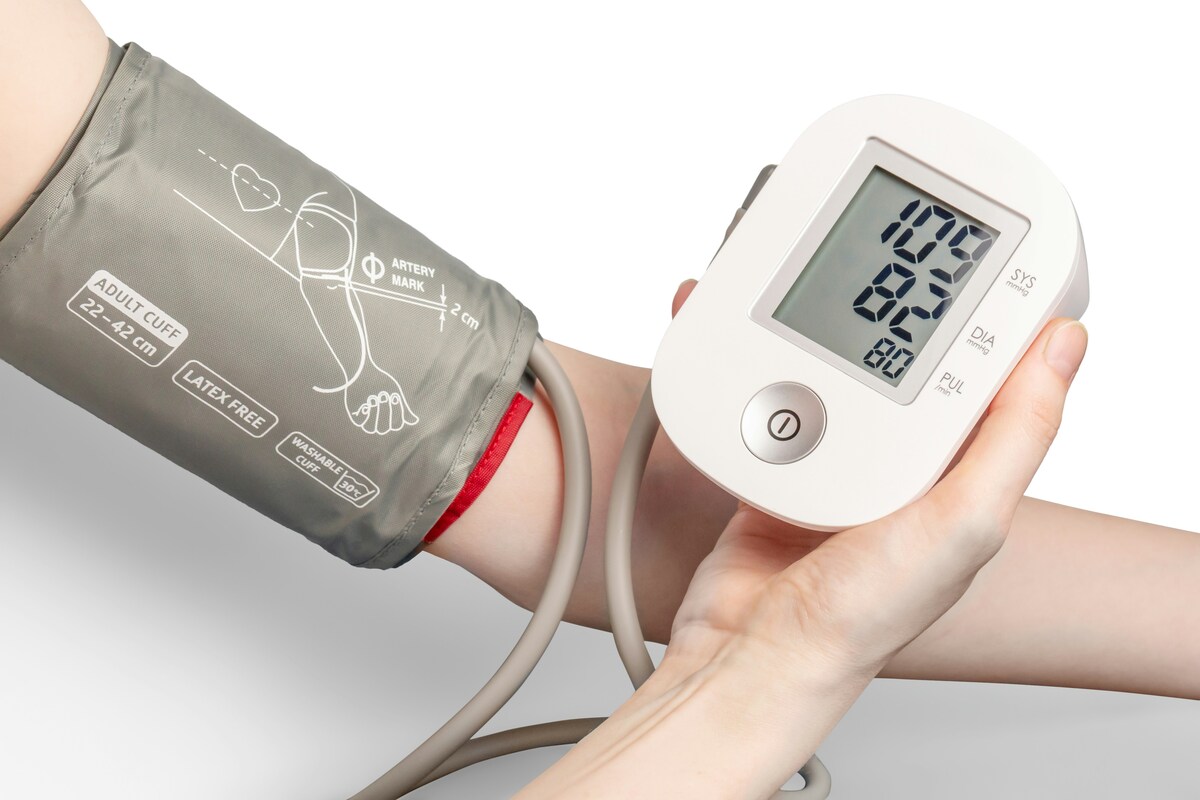
The cardiac stress test nurse tracks your blood pressure as you walk.
- Normal Value: Your systolic (top) number should rise steadily as you exercise.
- Abnormal Value: If your blood pressure drops while you are running, it is a major “Red Flag.” It suggests the heart is failing to keep up with the demand, and the technician will stop the test immediately.
Frequently Asked Questions: Understanding Cardiac Stress Testing
1. What are the four quiet signs of heart failure?
Heart failure doesn’t always happen suddenly. The four “quiet” or subtle signs include:
- Persistent Fatigue: Feeling exhausted even after a full night’s sleep.
- Shortness of Breath (Dyspnea): Especially when lying flat or during light activity.
- Edema: Swelling in the ankles, legs, or abdomen due to fluid buildup.
- Persistent Cough: A dry, hacking cough that may produce white or pink phlegm.
If you experience these, a cardiac stress test is often the first step to evaluate your heart’s pumping efficiency.
2. What exercise is best for clearing heart blockages?
While exercise cannot “melt” a physical blockage, it can improve blood flow through “collateral circulation.” Aerobic exercises like brisk walking, cycling, or swimming are best. Most cardiologists recommend reaching a target heart rate for at least 30 minutes, five days a week. For those recovering from surgery, a cardiac rehabilitation program provides the safest environment to exercise under a nurse’s supervision.
3. How much water should a heart patient drink daily?
For most heart patients, 1.5 to 2 liters (6-8 glasses) is standard. However, if you have congestive heart failure, your doctor may put you on a “fluid restriction” to prevent swelling. Always consult your cardiologist, especially before a cardiac stress test fasting period, to know your specific limits.
4. How do I find cardiac stress test training or billing codes?
If you are a medical professional looking for cardiac stress test training courses or certification, look for accredited ACLS and exercise physiologist programs. For billing and insurance, the standard cardiac stress test CPT code is 93015, which covers the tracing, interpretation, and report.
5. Can I take my diabetes medication before a cardiac stress test?
This is the most critical part of your preparation. Because you must follow a strict cardiac stress test fasting protocol (usually no food for 4 hours), taking your full dose of insulin or oral sugar medication on an empty stomach can lead to dangerously low blood sugar (hypoglycemia) during exercise.
- The Rule: Most cardiologists advise taking a half-dose of your morning insulin or skipping your oral diabetes pill until after the test is completed.
- The Action: Always consult your endocrinologist or the cardiac stress test nurse at the clinic 24 hours before your appointment for specific instructions tailored to your glucose levels.
- What to Bring: Even though you are fasting, bring a fast-acting glucose source (like glucose tabs) and a post-test snack to the clinic. If you feel shaky or dizzy on the treadmill, tell the technician immediately; it may be a “sugar crash” rather than a heart symptom.
6. What should I wear for a treadmill stress test?
Comfort and safety are the top priorities. You should wear loose-fitting, lightweight clothing and sturdy, comfortable walking or running shoes (sneakers). Avoid wearing one-piece outfits (like dresses or jumpsuits) as the cardiac stress test nurse needs to place electrodes on your chest.
7. Why do I feel “shaky” or emotional after the treadmill stops?
This is a very common but rarely discussed side effect called an “Adrenaline Crash.” During the treadmill stress test stages, your body pumps out high levels of adrenaline and cortisol to keep up with the incline. Once the cardiac stress test machine stops, those hormone levels drop rapidly, which can cause temporary shaking, lightheadedness, or even a sudden burst of emotion. This is a physiological reaction, not necessarily a heart problem, and usually fades within 10 minutes.
8. What does it mean if my cardiac stress test is “Inconclusive”?
An inconclusive stress test (sometimes called a “non-diagnostic” result) occurs when the medical team cannot gather enough data to give a definitive “Normal” or “Abnormal” answer.
- The Cause: The most common reason is failing to reach your target heart rate (usually due to fatigue, leg pain, or medications like Beta-blockers). It can also happen if “electrical noise” from movement interferes with the cardiac stress test ECG baseline.
- The Solution: If your treadmill test is inconclusive, your cardiologist won’t ignore it. Instead, they will likely upgrade you to a cardiac stress test Lexiscan (the chemical method), or a Nuclear Stress Test, which uses radioactive dye to see the heart clearly without needing you to run.
9. Why are stress test results sometimes different for women?
Women are more likely to have Microvascular Disease (blockages in tiny vessels), which a standard cardiac stress test ECG can sometimes miss. If your treadmill results are inconclusive, your doctor may recommend a Stress Echocardiogram or Nuclear Imaging for a clearer visual of your heart’s valve functions.
Women’s heart symptoms (like chest tightness) are often dismissed as “just stress.” This test is the most objective way to prove your symptoms are physical. If you feel nervous, use our Stress Level Checker to help stabilize your heart rate before the nurse starts the procedure.
May you also read: Mom Guilt and Emotional Burden
Conclusion: Empowering Your Heart Health Journey
Undergoing a cardiac stress test can feel intimidating, but it remains one of the most effective, non-invasive tools in modern cardiology. Whether you are walking through the Bruce Protocol treadmill stages or receiving a cardiac stress test, Lexiscan injection, the goal is the same: to provide a clear, data-driven “roadmap” of your heart’s resilience.
By understanding your target heart rate, preparing correctly with the 24-hour caffeine rule, and decoding your METs score, you move from a place of medical anxiety to one of informed empowerment. Remember, an abnormal cardiac stress test is not a final diagnosis; it is a vital early warning system that allows your medical team to protect your heart before a major event occurs.
At Stress Healed, we believe that physical heart health and mental well-being are inseparable. If your doctor has ordered this test, take it as an opportunity to listen to what your body is telling you. Once you have your results, you can work with your provider to build a lifestyle that supports both a strong heart and a calm mind.
Expert in Stress Management? We are looking for authoritative voices to inspire our community. Review our Write For Us guidelines and share your expertise with our readers today!
Medical Disclaimer: The information provided in this article is for educational and informational purposes only and is not intended as medical or professional advice. A cardiac stress test is a clinical procedure that must be interpreted by a qualified cardiologist. If you are experiencing symptoms like severe chest pain, shortness of breath, or a mental health crisis, please seek immediate assistance from a healthcare professional or emergency services.