What Is an Informatics Nurse? Career Path, Salary, Skills, and Jobs
When most people hear the term informatics nurse, they assume it means fixing computers in a hospital. Others think it is simply an IT job with a nursing title attached.
The American Nurses Association (ANA) describes nursing informatics as a specialty that combines nursing science, technology, and data management to improve patient care, communication, and healthcare decision-making.
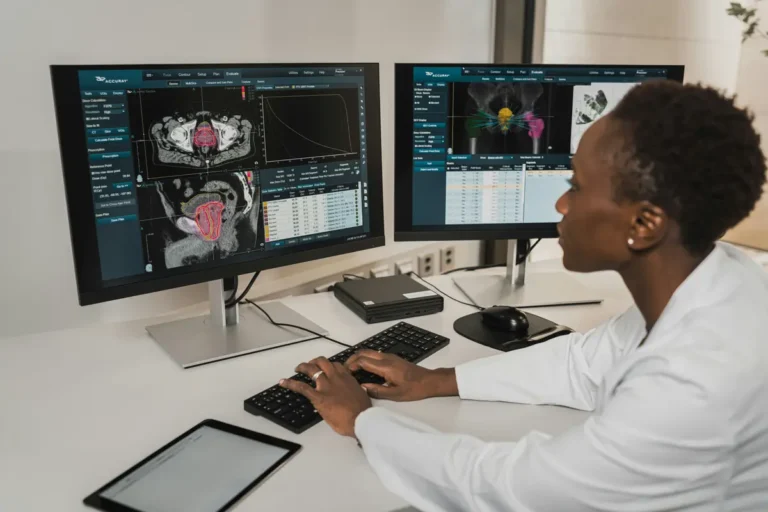
Every day, nurses spend hours charting, navigating electronic health records, and using healthcare technology. As hospitals become more dependent on these digital systems, they increasingly need informatics nurses to improve efficiency, support patient care, and reduce workflow challenges.
Whether you are a bedside nurse thinking about your next move, a nursing student exploring career paths, or someone who just heard the term for the first time, this guide covers everything you need to know, including the informatics nurse salary by state.
Prefer watching instead of reading? This video explains healthcare informatics, career opportunities, key skills, and the future of the field in an easy-to-understand format.
What Does an Informatics Nurse Do Every Day?
Reading a job description is one thing. Understanding what the role looks like in practice is something else entirely. I want to give you a realistic look at what a typical day in nursing informatics might involve.
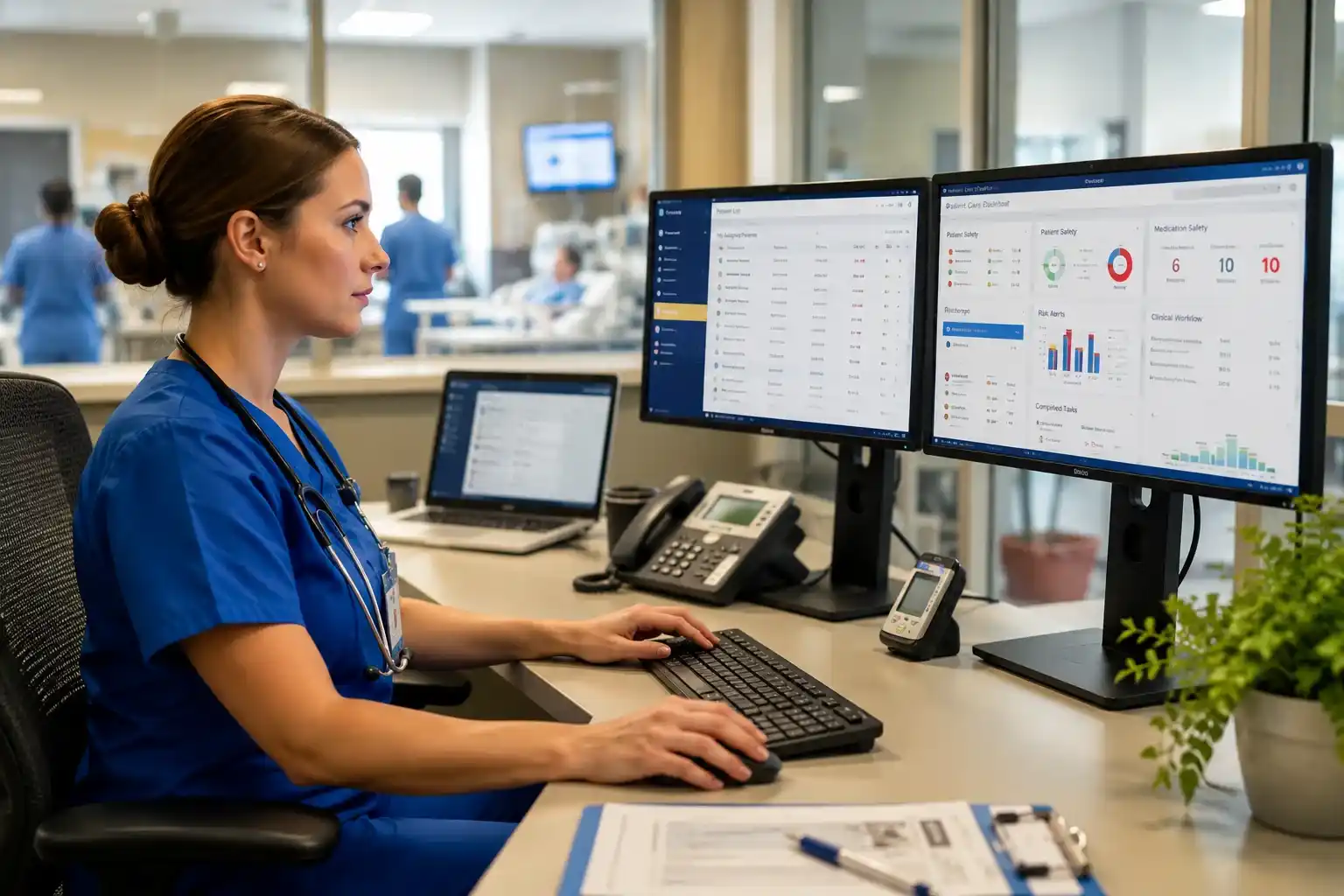
7:30 AM: Before you even open your laptop, you check your inbox and find messages from nurses reporting an alert that keeps triggering incorrectly in the electronic health record (EHR) system. You investigate the issue, identify the cause, and contact the software vendor to get it fixed.
9:00 AM: You join a project management meeting with the IT department and the Chief Nursing Officer (CNO). The hospital is switching to a new EMR electronic medical records platform in 90 days. Your job today is to review the go-live timeline and flag anything that could disrupt nursing workflows.
11:00 AM: You spend part of your day observing nurses as they use the hospital’s electronic health record system. During your observations, you notice that a routine medication task takes more steps than necessary. You document the issue and recommend changes that can save time and reduce frustration for frontline nurses.
1:00 PM: During lunch, you review a report from the health data analytics team and discover that medication error rates increased by 12% after the latest system update.
2:30 PM: You lead a training session for night-shift nurses on the new CPOE computerized order entry module. You created the training materials yourself and translated complex technical information into clear instructions that nurses could easily understand.
4:00 PM: Before ending the day, you review project documents, update your progress notes, and send a status report to nursing and hospital leadership.
How Much Do Informatics Nurses Earn?
Let us talk money, because this is where nursing informatics gets very attractive. According to the HIMSS Nursing Informatics Workforce Survey, more than 60% of nurse informaticists earn over $100,000 annually.
According to Salary.com, the following states and districts offer some of the highest average salaries for informatics nurses in the United States.
| State / District | Average Annual Salary |
|---|---|
| District of Columbia | $115,816 |
| California | $115,377 |
| Massachusetts | $113,839 |
| Washington | $113,421 |
| New Jersey | $113,379 |
| Alaska | $113,232 |
| Connecticut | $111,789 |
| New York | $111,203 |
| Hawaii | $109,331 |
| Rhode Island | $108,452 |
Salary levels vary based on experience, employer, certifications, and local demand. While states such as California and Massachusetts offer high salaries, cost of living can significantly affect take-home value.
Nurses who earn advanced certifications, complete graduate education, or move into leadership positions often command higher salaries.
What Skills Do You Need to Become an Informatics Nurse?

You do not need to be a programmer. You do not need to be an IT expert. But you do need a very specific combination of skills that most people, whether from a clinical background or a technology background, do not naturally have.
Clinical Skills That Carry Over From Bedside Nursing
- Deep understanding of patient care workflows and clinical priorities.
- Knowledge of documentation requirements, medication administration, and care planning.
- The ability to communicate with physicians, nurses, and care teams in clinical language.
- Real understanding of what nurses need at the bedside, not just what looks good on paper.
Technical Skills for Nursing Informatics
- Proficiency in EHR systems like Epic, Cerner, Meditech, or Oracle Health.
- Basic data literacy, reading reports, identifying trends, and working with health data analytics.
- Project management nursing skills, including timeline tracking and stakeholder communication.
- Understanding of HIPAA compliance and patient data privacy regulations.
- Familiarity with clinical decision support systems and alert management.
- Ability to train clinical staff on new technology, both one-on-one and in group settings.
Do Informatics Nurses Code?
The short answer is: sometimes, but it is not a requirement. Some nurse informaticists do learn Structured Query Language or basic scripting to pull data reports. Others work entirely on the workflow and training side without writing a single line of code. It depends on your role, employer, and responsibilities.
ANCC Certification vs ANIA Membership: Which One Should You Choose?
Many nurses reach a point where they want to strengthen their credentials and stand out in a competitive job market. That is usually when two names come up: ANCC and ANIA. While both offer valuable opportunities, they serve different purposes and career goals.
ANCC Informatics Nursing Certification (RN-BC)
- Offered by the American Nurses Credentialing Center (ANCC).
- Provides a nationally recognized board certification in nursing informatics.
- Requires an active RN license, nursing experience, continuing education, and informatics practice hours.
- Best for: Nurses who want a recognized credential that validates their informatics expertise.
- Credential Earned: RN-BC
ANIA Membership and Professional Development
- Offered by the American Nursing Informatics Association.
- Provides access to networking opportunities, continuing education, industry conferences, webinars, and professional resources.
- Designed for nurses who want to stay connected with the nursing informatics community and keep up with industry trends.
- Best for: Nurses seeking professional development, mentorship, and networking opportunities in nursing informatics.
Which Is Better?
For most nurses entering the field, the ANCC RN-BC is the preferred credential. If you are already working in nursing informatics and want networking opportunities, continuing education, and industry resources, ANIA membership can add significant value.
Many experienced nurse informaticists maintain ANCC certification and participate in ANIA for networking and professional development.
How to Become an Informatics Nurse Specialist
Most nurses become informatics nurses in 4 to 6 years. This timeline typically includes earning a nursing degree, passing the NCLEX-RN, obtaining an RN license, and gaining clinical nursing experience. The exact timeline depends on your education, work experience, and career path.
Step 1: Earn Your RN and Get Clinical Experience
First, earn an ADN or BSN degree and pass the NCLEX-RN (National Council Licensure Examination for Registered Nurses) to obtain your registered nurse (RN) license. Most nursing informatics positions prefer candidates with a BSN, and some employers require one.
If you start with an ADN, consider completing an RN-to-BSN program while gaining clinical experience. This combination of education and hands-on nursing practice can help prepare you for a future role in nursing informatics.
Before moving into informatics, get real floor experience. Work in med-surg, ICU, the ED, or wherever your interest takes you. This clinical foundation is what will make you effective as a nursing informatics specialist later.
Step 2: Build Exposure to Health IT
You do not need to switch careers overnight. Start by getting involved with the technology your unit already uses. Help coworkers solve EHR problems, participate in software training, and volunteer for new technology projects. These experiences can help you build the skills needed to move into nursing informatics.
Step 3: Pursue Certification or an Advanced Degree
You have two main options here:
- ANCC certification (RN-BC): Requires 1,000 hours of informatics practice, so pursue this after you have accumulated real-world experience.
- MSN Health Informatics: Provides a deeper theoretical grounding and positions you for director and CNIO-level roles.
Many nursing informatics professionals start with certification and later pursue their MSN. The degree opens more doors at the leadership level.
Step 4: Apply for Nursing Informatics Jobs
Entry-level titles to look for:
- Informatics Analyst
- Clinical Systems Analyst
- EHR Trainer / Implementation Specialist
- Informatics Coordinator
After a few years of experience, you can move toward titles like Nursing Informatics Specialist, Clinical Informatics Director, or eventually Chief Nursing Informatics Officer (CNIO).
Do I Need Bedside Experience to Become an Informatics Nurse?
This is probably the most common question I see from nurses who are early in their careers. The honest answer is: it is possible, but it is significantly harder, and it will limit your effectiveness in the role.
- Some healthcare technology vendors and smaller organizations hire nurses with limited bedside experience for training, implementation, or support roles.
- These positions can provide an entry point into nursing informatics. Most employers still prefer nurses with hands-on clinical experience.
- Bedside nursing helps you understand real-world workflows, documentation challenges, and patient safety concerns.
- Clinical experience allows you to explain how technology affects nurses and patients in everyday practice.
- It also helps you make informed recommendations when improving EHR systems, alerts, and clinical workflows.
If you are early in your career and want to move toward nursing informatics, my suggestion is to spend at least two to three years in a direct patient care role first. Your future informatics work will be dramatically stronger for it.
Not every nurse stays at the bedside forever. If you are weighing your options, this guide on leaving bedside nursing may help you decide what comes next.
Nursing Informatics Jobs Work From Home: Is This a Remote-Friendly Career?
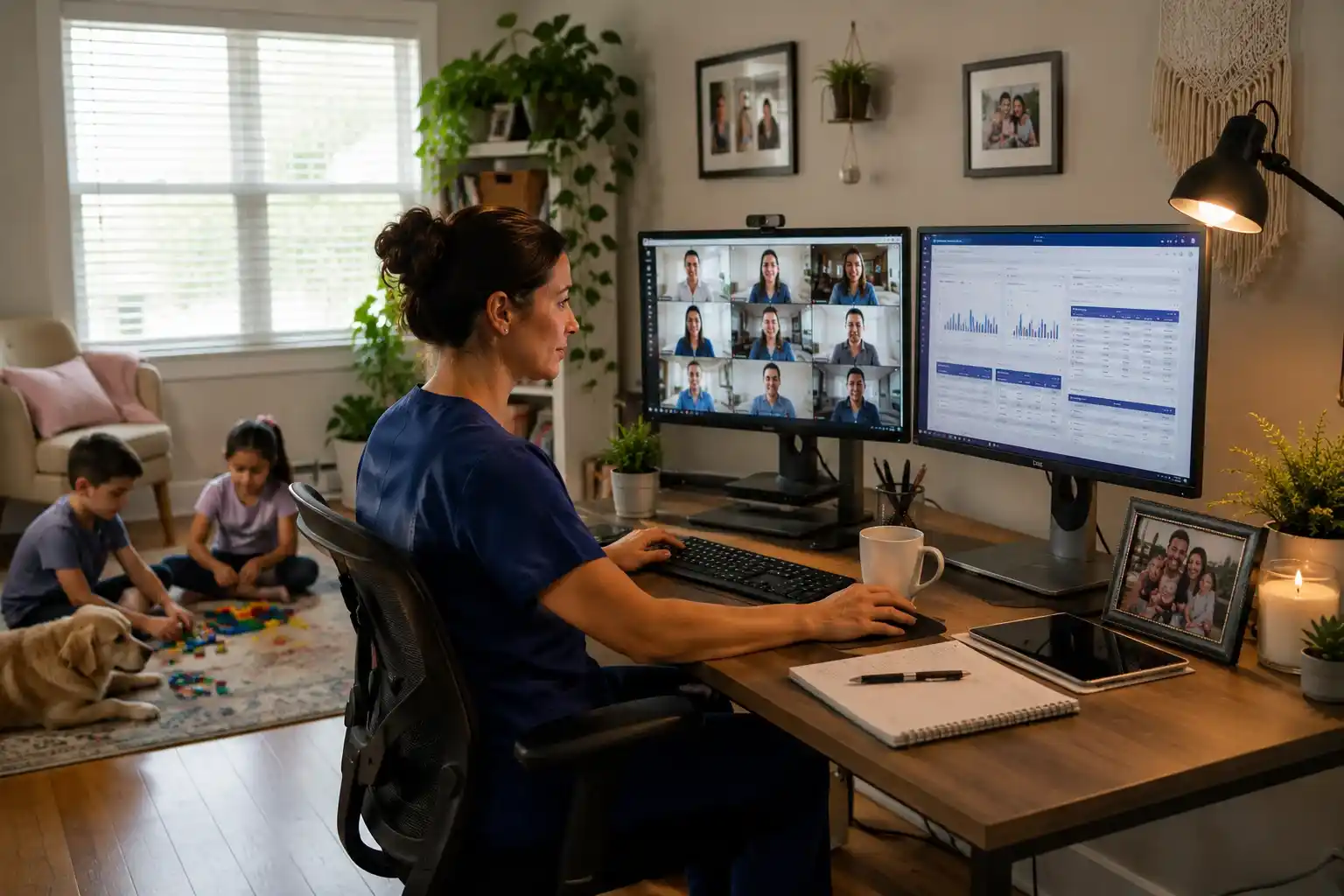
One of the most appealing aspects of nursing informatics today is the remote flexibility. Unlike bedside nursing, a significant portion of an informatics nurse’s work can be done from a home office.
Informatics nurse remote jobs are widely available, particularly for:
- EHR implementation and training roles at vendor companies.
- Health data analytics positions.
- Project management roles in informatics.
- Clinical documentation improvement (CDI) positions.
- Telehealth nursing informatics support roles.
Work-from-home opportunities for informatics nurses have grown significantly, with many healthcare organizations now offering hybrid or fully remote roles. If remote flexibility is a priority, nursing informatics is one of the most remote-friendly career paths available to registered nurses.
The Honest Pros and Cons of Nursing Informatics
Like any nursing specialty, nursing informatics comes with both advantages and challenges. The role offers opportunities for career growth, technology-focused work, and broader healthcare impact, but it is not the perfect fit for every nurse. Understanding the pros and cons can help you decide whether this career path aligns with your goals and interests.
| Pros | Cons |
|---|---|
| Higher salary than many nursing specialties. | Less direct patient interaction. |
| Remote and hybrid work opportunities. | Frequent meetings and project coordination. |
| Strong job growth and career stability. | Organizational politics between clinical and IT teams. |
| Ability to improve care across an entire organization. | Change resistance from staff during new implementations. |
| Less physical strain than bedside nursing. | Clinical results are less immediate and visible. |
| Continuous learning and exposure to new technology. | Rapid technology changes require constant adaptation. |
| More predictable schedules than many hospital roles. | Long hours during major EHR go-live periods. |
| Opportunities for leadership and executive positions. | Success depends heavily on communication and change management skills. |
How to Prepare for an Informatics Nurse Interview
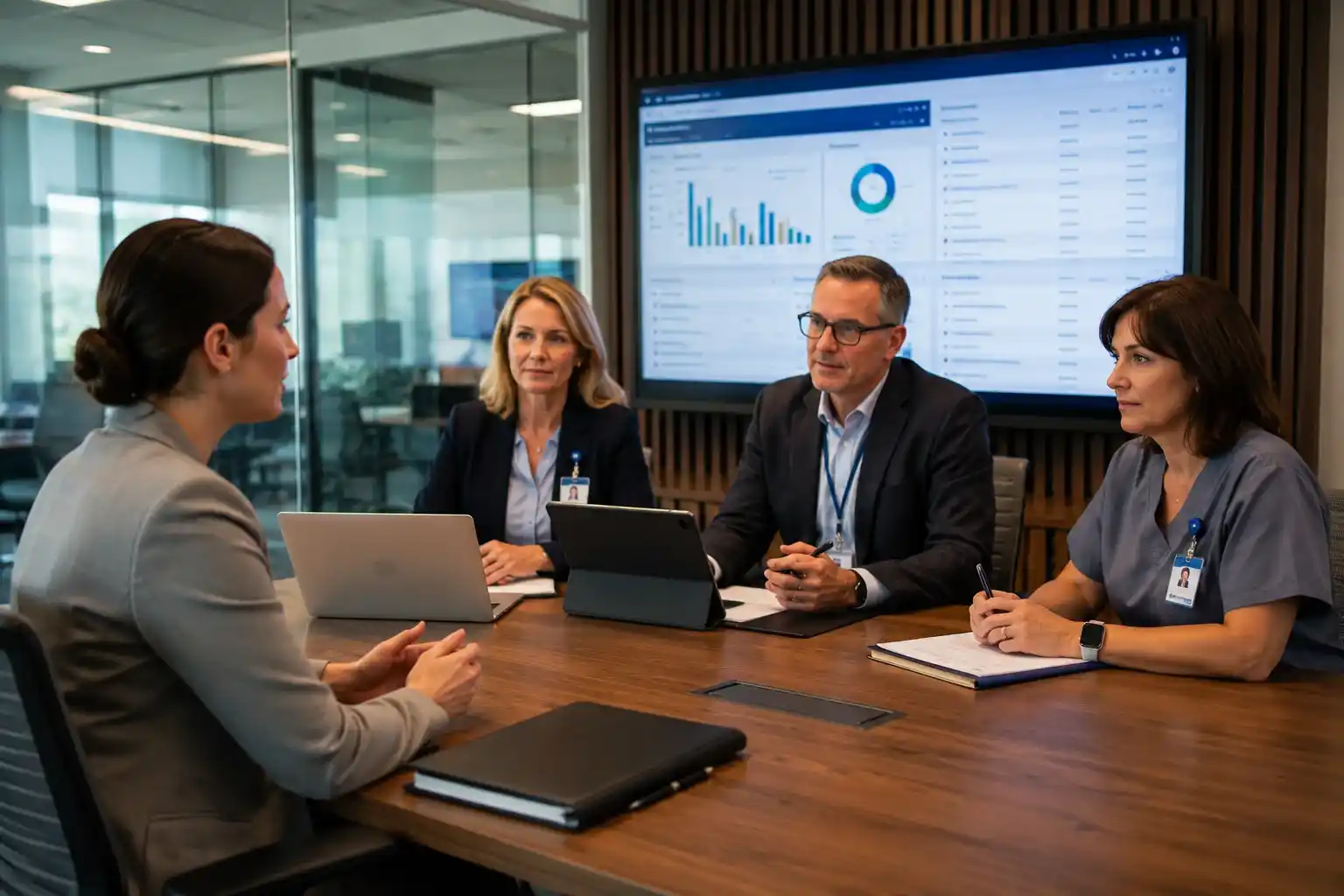
If you are moving toward your first nursing informatics role, expect questions that test both your clinical judgment and your technical understanding.
Common questions to prepare for:
- “Walk me through a time you identified a workflow problem and solved it.”
- “How would you approach implementing a new EHR system in a resistant unit?”
- “What is your experience with Epic EHR or other major platforms?”
- “Describe a situation where you had to communicate a technical concept to a non-technical clinical audience.”
- “How do you balance patient safety requirements with the practical constraints of system design?”
- “What do you know about ANCC certification requirements for informatics nursing?”
- “How would you respond if nurses began creating workarounds to bypass a safety alert you helped design?”
Prepare a nursing informatics portfolio before your interview. Bring examples of projects you have contributed to, workflow maps you have designed, training materials you have created, or data reports you have worked on. Concrete evidence of informatics-adjacent work is worth far more than general statements about your interest in the field.
Is Nursing Informatics Right for You? A Self-Assessment
I want to leave you with something practical. Answer honestly.
- Do you find yourself naturally helping colleagues troubleshoot EHR system problems?
- Do you get frustrated with inefficient clinical workflows and find yourself mentally redesigning them?
- Are you comfortable presenting ideas to leadership?
- Do you enjoy learning new software and technology tools?
- Can you hold your own in a meeting with IT professionals without a clinical degree?
- Do you find data reports interesting rather than overwhelming?
- Are you comfortable with change and comfortable leading others through it?
- Do you find work satisfaction that affects an entire organization rather than individual patient interactions?
If you said yes to six or more of these, nursing informatics is worth exploring seriously. If you answered yes to three or fewer questions, consider starting in a hybrid role, such as clinical documentation improvement or telehealth coordination.
For nurses exploring specialized career paths, this guide to becoming a forensic nurse outlines the education, certifications, and skills required to enter the field.
Frequently Asked Questions
Is nursing informatics stressful?
Yes, but different from bedside nursing. The stress comes from project deadlines, organizational change management, and navigating between clinical and IT departments rather than from physical demands or acute patient crises.
Will AI Replace Informatics Nurses?
No, AI is unlikely to replace informatics nurses because healthcare technology requires more than data analysis. Informatics nurses understand clinical workflows, patient safety, regulatory requirements, and real-world nursing challenges. While AI is changing daily work for healthcare workers by handling repetitive tasks like documentation and triage flags, it cannot fully understand how technology affects patient care or healthcare teams in practice.
Can an Informatics Nurse Influence Hospital Policy?
Yes, informatics nurses often help shape policies related to documentation, patient safety, and technology use. Their recommendations may influence how clinical systems are configured and used. Many healthcare leaders rely on informatics teams when evaluating workflow changes.
Final Thoughts
Nursing informatics is one of the most meaningful career pivots available to nurses today. It takes your clinical knowledge and multiplies its impact across entire healthcare systems. The salary is strong, the flexibility is real, the work is challenging in the best possible way, and the field is growing.
I think what draws people to this specialty, at its core, is the same thing that drew most of us to nursing in the first place. You want to help people. In nursing informatics, you help people at scale by making sure the systems that care for them actually work.
If you have ever fixed an EHR issue, questioned an inefficient workflow, or used data to improve patient care, you have already been thinking like an informatics nurse. You just may not have had the title yet.
References
- American Nurses Association. Nursing Informatics: Scope and Standards of Practice, 2nd Edition.
- HIMSS. 2023 Nursing Informatics Workforce Survey. HIMSS.org.
- U.S. Bureau of Labor Statistics. Occupational Outlook Handbook: Health Information Technologists and Medical Registrars.
- Hess S, Alper C. Nursing Informatics: The Vital Nursing Link Between Technology and Patient Care. HCA Healthcare Journal of Medicine, 2024; 5(5): 513–516. PMC11547278.
- Payscale. Informatics Nurse Salary Data. Payscale.com.
- American Nurses Credentialing Center. Informatics Nursing Certification (NI-BC). NursingWorld.org.
Disclaimer: This article is for educational purposes only and does not constitute medical, nursing, career, or professional advice.