Toxic Hospital Culture for Nurses: Leaves Good Nurses Feeling Alone
Nursing school taught you to speak up when something felt unsafe. Protect your patients. Ask questions. Report concerns. Then you got hired and realized hospital politics worked very differently. The nurse who keeps quiet gets called “easy to work with.” The nurse who questions unsafe behavior suddenly becomes the problem. That is how toxic hospital culture for nurses starts getting normalized without anyone saying it out loud.
According to mental health experts, nurse burnout is extreme physical and emotional exhaustion caused by long working hours, constant pressure, and chronic stress in nursing, often leading to low energy and loss of motivation.
Recent healthcare workforce data shows that 62% of nurses experience burnout symptoms, including emotional exhaustion, while 43% experience moral distress due to workplace stress and patient care limitations. The same report found that 34% of nurses plan to leave their current role because of burnout and chronic stress.
Related: Is It Okay to Leave Bedside Nursing?
What Causes Nurse Burnout in Hospital Culture?
This video highlights the emotional toll of toxic hospital culture, unsafe staffing, and burnout on nurses working in high-pressure healthcare environments.
Toxic hospital culture for nurses does not always look obvious. Most of the time, it builds slowly through small moments, constant stress, and daily tension. After a while, many nurses forget what it feels like to walk into work without anxiety or emotional exhaustion.
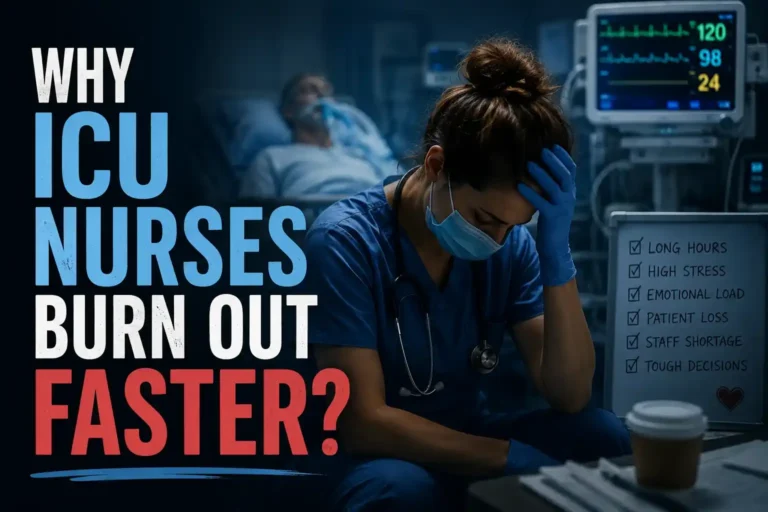
Working in intensive care? Discover the hidden reasons burnout develops so quickly in the ICU.
Here is what it actually looks like on the ground.
The Workplace Stress Caused by Toxic Nurse Managers
I have watched a charge nurse publicly humiliate a new graduate over a medication question in front of the entire unit. No private conversation. No teachable moment. Just embarrassment, delivered in front of colleagues, on a shift that the new nurse had been nervous about since the night before.
That is toxic leadership in nursing doing exactly what it does. It is not correct. It controls.
Research published in BMC Nursing identifies public humiliation, intimidation, information gatekeeping, and favoritism as the four core behaviors that define toxic leadership behaviors of nurse managers, and finds that all four directly reduce psychological safety on the unit.
Related: How Can Nurse Managers Improve Nurse Morale?
Staffing Issues in Hospitals Are Not Always Accidental
Toxic management in nursing often hides inside the schedule. It looks administrative from the outside. From the inside, every nurse on that unit knows exactly what it means.
When a nurse manager uses access to information as power, assigns the worst patients to the nurses she dislikes, or responds to clinical concerns with sarcasm instead of support, that is not a bad day. That is a pattern. And patterns shape culture, whether leadership admits it or not.
Nurses who work under a toxic nurse manager report higher rates of patient falls, medication errors, hospital-acquired infections, and verbal complaints from patients and families compared to nurses working under healthy leadership.
Toxic Workplace Habits Among Nursing Staff
This is the part that stings the most because it comes from the people who should understand better than anyone.
Toxic nursing culture does not always come from management. Sometimes nurses pass it to each other without even realizing it. An experienced nurse refuses to help a new grad learn the floor. Someone rolls their eyes when a coworker asks a simple question. A group chat leaves one nurse out on purpose. The break room suddenly goes quiet when certain people walk in. Small moments like these build tension fast and make nurses feel isolated at work.
Nurses dealing with toxic work environments sometimes pursue alternative career paths, including forensic nursing roles that combine healthcare and legal work.
The Leadership That Looks Good on Paper
Some of the worst examples of bad leadership in nursing never make it into an official complaint. A manager acts supportive during meetings but criticizes staff behind closed doors. A director talks about mental health and burnout while denying multiple PTO (Paid Time Off) requests in the same week. Hospital leaders call chronic understaffing a “team challenge” instead of fixing the actual problem. Nurses notice these things quickly, and over time, that kind of leadership destroys trust across the entire unit.
Research measuring toxic leadership behaviors of nurse managers identifies five consistent patterns: self-promotion, abusive supervision, unpredictability, narcissism, and authoritarian control. Most nurses recognize at least two or three of those without needing a research scale to name them. They felt them at work this week.
A toxic nurse manager who runs hot and cold does not just create anxiety. She steals clinical focus from the people your unit is supposed to serve.
Related: Nurses Crying After Work
When the Culture Becomes the Air You Breath
Here is what nobody outside nursing understands about toxic leadership in nursing. You do not always notice it happening. You adjust. You lower your expectations. You stop raising concerns because you already know how that goes. You start calling the dread before your shift normal because everyone around you seems to feel it too.
The toxic work environment in healthcare does not clock out when you do. It follows you home in the tension in your shoulders, in the way you cannot fully relax on your days off, in the conversations you stop having with your family because you do not know how to explain what your workplace actually feels like anymore.
You are not imagining it. And you are not alone in it.
Related: Burnout in Healthcare Jobs
Why Nurses Struggle Most in Toxic Medical Culture?
Every person in a hospital feels pressure. Doctors feel it. Administrators feel it. But nurses sit at the center of every single pressure point at the same time, for twelve hours straight, with nowhere to set it down. Over time, that constant pressure makes toxic medical culture harder for nurses to escape than many people realize.
Here are some of the biggest reasons nurses struggle more than most people inside a toxic medical culture.
- Hospital leaders often make staffing decisions without understanding the pressure nurses face on the unit.
- Many new nurses deal with exclusion, silence, gossip, and withheld information during their first years.
- Nurses spend entire shifts managing emotions, conflict, fear, and stress without enough time to recover.
- Toxic hospital culture often affects sleep, relationships, mental health, and life outside work.
- Many nurses stay quiet because they fear retaliation, criticism, or being ignored after speaking up.
- Poor leadership and intimidation make nurses feel unsafe reporting problems or asking for support.
- Nurses handle patients, families, doctors, and management all at the same time during every shift.
Also read: How to Manage a Night Shift as a Nurse: Hour-by-Hour
Warning Signs of a Toxic Hospital Environment
Nursing is hard. It has always been hard. Twelve-hour shifts, short staffing, emotionally heavy patient situations, and decisions made in seconds that actually matter. That difficulty is real, and it deserves respect. Hard is not the same as toxic.
Hard means the work itself challenges you. Toxic means the people and systems around you are the problem. Hard leaves you tired. Toxic leaves you changed in ways that do not go away on your days off.
If you have been wondering which one you are dealing with, these are the signs that answer that question.
▹ Your Complaints Somehow Become Your Fault: You speak up about a real problem, but somehow the attention shifts to your attitude instead.
▹ Good Nurses Keep Leaving the Unit: Strong and experienced nurses do not walk away from healthy workplaces for no reason. When good nurses keep quitting, the problem usually runs deeper than leadership wants to admit.
▹ You Feel Anxious Before Every Shift: That stress starts long before you clock in. Many nurses feel emotionally drained before work even begins because they already know the environment waiting for them.
▹ Favoritism Shapes the Entire Workplace: The same nurses always get the easiest assignments, preferred schedules, or extra support from management. Everyone notices it, even when nobody says it out loud.
▹ Asking Questions Feels Unsafe: New nurses should feel comfortable asking for help, but toxic units make people feel embarrassed for not knowing everything immediately. Over time, nurses stop asking questions and start staying silent.
▹ The Schedule Feels More Like Punishment: The hardest patient loads, worst shifts, and constant floating assignments somehow keep landing on the same people. Nurses quickly realize it is not random.
▹ Gossip Spreads Faster Than Support: Instead of teamwork, the unit runs on rumors, side conversations, and quiet hostility. Nurses start protecting themselves instead of trusting each other.
▹ Management Only Shows Up When Something Goes Wrong: Leadership stays distant during stressful shifts but suddenly becomes visible when there is blame to assign.
▹ Nurses Stop Trusting Each Other: Toxic hospital culture slowly turns coworkers into competitors instead of teammates. People become more focused on avoiding criticism than helping each other succeed.
Building healthy coping skills can make it easier to handle the daily pressure of a toxic hospital culture.
I recommend trying our Stress Level Checker if workplace stress has started affecting your mental health.
The Mental and Physical Effects of Toxic Hospital Culture
Most nurses blame themselves before they blame the workplace. They think the anxiety means they are weak. They think the emotional exhaustion means they are losing compassion. In reality, many of these symptoms come from spending too much time in a toxic hospital environment.
➛ Sleep Problems Start Following You Home
A toxic shift does not always end when you clock out. Many nurses replay conversations, worry about the next shift, or wake up in the middle of the night feeling stressed for no clear reason. Over time, constant workplace pressure can make real rest feel impossible.
➛ Emotional Numbness Starts Replacing Compassion
Many nurses enter healthcare because they genuinely care about people. But after working in a toxic environment for too long, some start feeling emotionally disconnected from patients, coworkers, and even themselves. That emotional numbness is often a sign of burnout, not a lack of compassion.
➛ Your Body Starts Reacting to the Stress
Toxic work environments affect the body as much as the mind. Nurses often deal with headaches, stomach problems, constant fatigue, poor sleep, or getting sick more often than usual. The body usually notices chronic stress before the mind fully accepts it.
➛ Small Work Situations Start Triggering Anxiety
Over time, simple things like a scheduling email, a message from management, or walking onto the unit can trigger anxiety. Nurses who once handled high-pressure situations calmly may suddenly feel stressed during everyday workplace interactions.
➛ Work Stress Starts Affecting Life Outside the Hospital
Toxic nursing culture rarely stays at work. Many nurses carry that stress home without realizing it. Relationships feel harder, patience runs shorter, and emotional exhaustion slowly affects daily life outside the hospital, too.
Related: What Is the Golden Rule of Bedside Care?
Why Nurses Stay in Toxic Medical Environments?
People often ask why nurses stay in toxic workplaces, but the answer is rarely simple. I have seen nurses stay because their lives, identities, and responsibilities are deeply connected to the job in ways most people outside healthcare never fully understand.
→ Many nurses stay because walking away feels like abandoning the people who depend on them every day.
→ Nurses often worry that leaving the wrong way could damage their reputation or follow them into future jobs.
→ Student loans, rent, mortgages, childcare, and daily bills make sudden career decisions feel impossible for many nurses.
→ Starting over in a new department or career can feel overwhelming after spending years building experience and skills.
→ After hearing “that’s just how nursing is” for years, many nurses slowly stop questioning unhealthy workplace behavior.
→ Some nurses stay because they believe staffing, leadership, or team dynamics might finally get better with time.
→ Strong friendships between nurses often become the emotional support that helps people survive difficult units.
→ Chronic stress and emotional exhaustion make it difficult to think clearly about major life or career changes.
→ Many nurses have already survived nursing school, training, difficult shifts, and workplace pressure once. The idea of rebuilding somewhere else feels emotionally exhausting.
Related: Can Burnout Cause Fatigue?
How to Prevent Nurse Burnout?
Surviving a toxic workplace often becomes less about fixing the culture and more about protecting your mental health while you work inside it. Nurses cannot control every manager, coworker, or hospital policy, but they can take small steps that help them protect their energy, confidence, and emotional stability during difficult shifts.
🗹 Document What Happens: Keep a private record of serious incidents, including dates, times, witnesses, and the exact language used. Save everything on a personal device, never on hospital equipment. Clear documentation can protect a nurse later if leadership questions her version of events.
🗹 Find a Small Circle You Trust: Trying to survive a toxic unit completely alone wears people down fast. Most nurses do better when they have two or three trusted coworkers who understand the environment and support each other during difficult shifts.
🗹 Stop Explaining Yourself to Toxic People: Not every comment deserves a defense. Toxic coworkers often look for emotional reactions they can use later. Calm, neutral professionalism protects a nurse’s peace far better than arguing ever will.
🗹 Decide What You Will Not Carry Home: Some nurses start every shift already emotionally exhausted because they absorb every problem around them. Setting quiet mental boundaries helps protect energy for patient care instead of workplace drama.
🗹 Separate Nursing From the Hospital: A toxic workplace does not define a nurse’s skill, intelligence, or value. She is a nurse working in a difficult environment right now. Those are two separate things, and remembering that matters.
🗹 Protect Your Reputation Quietly: Avoid workplace gossip, emotional outbursts, and public conflicts whenever possible. Toxic workplaces often twist reactions against the person already under pressure.
🗹 Use Your Time Off to Recover, Not Just Catch Up: Many nurses spend days off cleaning, stressing, or mentally replaying shifts. Real recovery matters too. Sleep, quiet time, movement, and distance from work conversations help the nervous system reset.
🗹 Keep Your Career Options Open: Even if a nurse is not ready to leave, updating a resume, maintaining certifications, and staying connected with healthy coworkers creates a sense of control during difficult periods.
🗹 Prioritize Personal Care: Healthy meals, regular exercise, yoga, and stress management habits can help reduce nurse burnout over time.
Related: How Nurses Can Exercise with a Busy Work Schedule
Pro Tip: Toxic workplaces often convince nurses that everything is their fault. Taking a step back and seeing the bigger pattern clearly can protect your mental health. You can also try the 42% Rule to help your mind and body recover from chronic stress.
Also read: Worst Nursing Mistakes
What Nurses Need to Know Before Filing a Complaint

Many nurses stay silent because they are afraid reporting a problem will make the situation worse. That fear is real, especially in workplaces where gossip, retaliation, and favoritism already exist. Before filing a complaint, it helps to think carefully, stay organized, and protect yourself as much as possible throughout the process.
➤ Start With a Written Paper Trail
Whenever possible, communicate concerns through email instead of verbal conversations alone. Written communication creates a record that may help protect you later if leadership questions what was reported or when it happened.
➤ Learn How Your Hospital’s Reporting System Actually Works
Before speaking up, understand the chain of command inside your workplace. Some HR departments work closely with hospital leadership, while others have more independence. Knowing that difference matters.
➤ Speak With Your Union Representative if You Have One
Union representatives often understand hospital policies, workplace protections, and reporting procedures better than most employees. Talking with them early can help you avoid common mistakes.
➤ Know Your External Reporting Options
If internal reporting goes nowhere, outside organizations may offer additional support. Depending on the situation, nurses may report serious concerns to state nursing boards, OSHA, or the Joint Commission.
➤ Stay Professional Even When Others Are Not
Toxic workplaces sometimes look for emotional reactions they can later use against employees. Staying calm, factual, and professional helps protect your credibility during difficult situations.
➤ Keep Copies of Important Communication
Save emails, schedules, write-ups, and other relevant records in a secure personal location. Small details often become important later.
➤ Understand That Reporting Does Not Always Fix the Culture
This is the hard part that many people avoid saying out loud. Filing a complaint does not always change the workplace overnight. Sometimes leadership protects itself instead of addressing the real issue. But reporting still matters because it creates a documented record, protects you legally, and shows that you tried to address the problem professionally.
Related: Is Burnout Permanent?
How Nurses Can Leave Professionally

Leaving a toxic workplace does not have to turn into a dramatic ending. Many nurses protect their peace, careers, and professional reputation by planning carefully and leaving on their own terms instead of reacting in the middle of burnout.
➢ Start Planning Before You Resign: Whenever possible, begin applying for other positions before giving notice. Having a plan creates stability during an already stressful transition.
➢ Leave Professionally, Even if the Workplace Was Not: Giving proper notice and continuing to do your job professionally protects your reputation and future opportunities.
➢ You Do Not Owe Anyone an Emotional Exit Interview: Some nurses find exit interviews helpful, while others prefer privacy. Either choice is valid. You are not required to relive painful experiences for a workplace that already ignored them.
➢ Leaving One Hospital Does Not Mean Leaving Nursing: A toxic workplace can make nurses question the entire profession. But leaving an unhealthy hospital often means protecting your future in nursing, not giving up on it.
Related: Can You Die from Overworking?
Conclusion
Most nurses chose this career because they genuinely wanted to help people. A toxic hospital culture for nurses can slowly make even the strongest nurse question her confidence, compassion, and mental health, but that environment does not define who you are.
No nurse deserves to work inside a toxic medical culture that turns survival into part of the job. The stress, exhaustion, and emotional pressure you feel are real, and recognizing that matters more than many people realize.
You are still the same nurse who worked hard for this career. If this blog felt personal, share it with another nurse who may need the same reminder right now.
Related: Stages of Burnout
References
- https://wifitalents.com/nurses-burnout-statistics/
- https://link.springer.com/article/10.1186/s12912-026-04506
- https://onlinelibrary.wiley.com/doi/full/10.1155/jonm/1734502
- https://pubmed.ncbi.nlm.nih.gov/33617119/
Disclaimer: The information on this website is for educational purposes only and should not replace professional medical or mental health advice.
If you have a personal story, professional insight, or healthcare experience to share, feel free to visit our Write for Us page and contribute your voice to the conversation.