How to Cure Gastritis Permanently: A 5-Minute Relief Protocol
Last Updated: April 14, 2026
How to cure gastritis permanently with Ayurveda involves balancing the body’s internal heat and calming the nervous system to heal the inflamed stomach lining at its root. Gastritis is often painful, characterized by a sharp, burning sensation in the upper abdomen, bloating, and even referred back pain. For many, stress can cause gastritis by triggering emotional tension that leads to excess acid production and frequent gastritis flare-ups. This natural approach provides a long-term solution rather than just masking symptoms with temporary relief from antacids.
Take Action: Since stress is a major trigger, use our free Stress Level Checker to see how your mental health is affecting your digestion.
Types of Gastritis
Types of gastritis are primarily classified by the severity of inflammation and the specific area of the stomach lining affected. While the condition is generally characterized by erythema (redness and swelling), the nature of the damage determines the specific category. Understanding these variations is the first step toward finding a targeted treatment.
Antral Gastritis: Inflammation localized to the lower part of the stomach, frequently diagnosed as mild erythematous gastritis with no bleeding.
Erosive Gastritis: A severe variation where the stomach lining is physically worn away, potentially leading to bleeding or ulcers.
Non-Erosive Gastritis: This is gastritis nonerosive in nature, meaning there is inflammation present but no structural loss of the stomach lining.
Acute Gastritis: This refers to sudden, intense inflammation that often causes immediate gastritis, nausea, and sharp pain.
Chronic Gastritis: A long-term condition where the stomach lining thins over time, often showing chronic gastritis symptoms that persist for years.
Primary Triggers: What Causes Gastritis?
The root causes of gastritis are linked to the disruption of the stomach’s mucosal barrier by external pathogens, chemical irritants, or internal biological imbalances. Identifying these triggers is the first step toward a permanent cure. The most common reason for gastritis worldwide is an H. pylori infection, a bacterial pathogen that survives the harsh acidic environment by neutralizing the stomach’s protective lining.
Lifestyle irritants, such as excessive alcohol intake and the long-term use of painkillers, directly cause chemical gastritis by eroding the protective gastric walls over time. This sustained irritation compromises the stomach’s mucosal barrier, leading to chronic inflammation and increased sensitivity to digestive acids.
In some cases, the cause is mechanical or internal rather than external. A condition known as bile gastritis occurs when digestive fluids from the small intestine enter the stomach, a biological backflow often seen in post-surgery patients. Furthermore, immune system errors can lead to a rare but significant factor where the body attacks its own cells; this causes chronic gastritis without H. Helicobacter pylori frequently results in severe vitamin deficiencies.
Environmental and psychological factors also play a critical role in modern cases. In many young people, high consumption of processed foods and environmental toxins causes gastritis attacks and sudden inflammation.
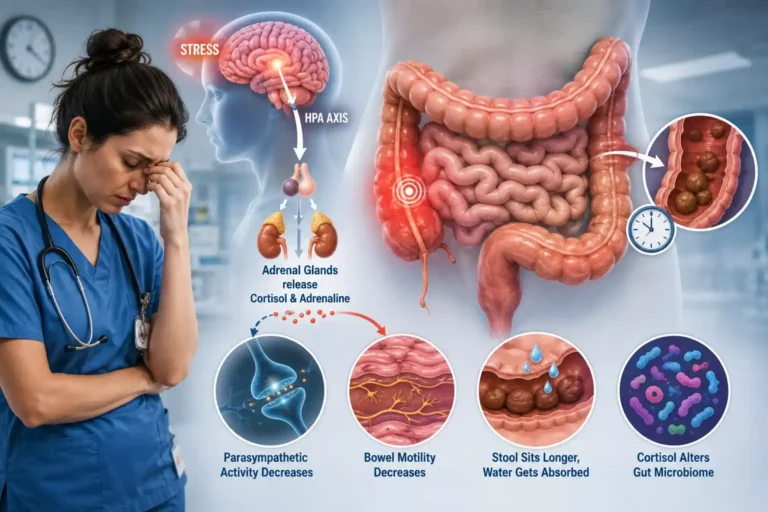
High-pressure environments frequently trigger stress-induced gastritis flare-ups by altering the gut-brain axis. Emotional tension increases the stomach lining’s vulnerability to irritation and excess acid, making stress a significant factor in chronic inflammation.
How Does Gastritis Feel? Identifying Key Symptoms
Gastritis symptoms manifest as a range of digestive disturbances that signal an irritated or damaged stomach mucosa. While some signs are mild and easy to ignore, others can significantly disrupt your daily life.
- Sudden Intense Pain: Acute gastritis involves a rapid onset of sharp stomach cramps and intense burning that persists for a short duration.
- Persistent Discomfort: Typical chronic gastritis symptoms include a long-standing, dull ache, unintended weight loss, and a constant metallic taste in the mouth. While some suffer from a loss of appetite, many experience weight gain due to stress, as high cortisol levels disrupt both metabolism and the stomach’s natural rhythm.
- Post-Meal Burning: Many patients experience a sharp, hot sensation in the upper-middle abdomen shortly after meals, which is a hallmark of gastric irritation.
- Stomach Fullness: The condition often manifests as gastritis or dyspepsia, a sensation of being unusually full or heavy after eating very little food.
- Severe Irritation: Aggressive gastric inflammation can cause vomiting, persistent gastritis, and nausea as the stomach tries to reject irritants.
- Digestive Gas: Excess air trapped in the stomach leads to frequent burping, gastritis, and a tight, uncomfortable feeling of bloating.
- Neurological Signs: In some cases, gut inflammation can trigger a gastritis headache or mild vertigo due to the strong gut-brain connection.
Gastritis Pain Location: Where Does it Hurt?
Gastritis pain location is primarily centered in the upper-middle abdomen (epigastric region), though the discomfort frequently radiates to other areas based on the site of inflammation. A sharp, burning gastritis pain after eating indicates that stomach acid is interacting with a compromised gastric lining. Due to shared nerve pathways, gastritis pain in the back is a common symptom, manifesting as a persistent dull ache between the shoulder blades. Additionally, irritation localized near the stomach’s exit directly triggers gastritis pain on the right side just beneath the rib cage. Identifying these specific patterns is the most reliable way to distinguish gastric inflammation from other abdominal or muscular issues.
Severe gastric irritation can mimic chest distress or heart-related discomfort. Understanding how a cardiac stress test evaluates heart health is essential to distinguish these symptoms for an accurate diagnosis.
Does gastritis cause diarrhea?
Gastritis can cause diarrhea primarily when the inflammation is triggered by an H. pylori infection or when the stomach fails to digest food properly, leading to intestinal irritation. While it is not the most common symptom, this digestive disruption occurs because the inflamed stomach lining cannot produce enough enzymes for breakdown, resulting in indigestion and loose stools. If you experience persistent diarrhea alongside stomach burning, it may indicate a transition into gastritis and enteritis, where inflammation spreads from the stomach to the small intestine.
5-Minute Ayurvedic Relief Protocol
For immediate gastritis pain relief, practicing the “Sheetali” cooling breath and consuming fresh aloe vera gel provides the fastest reduction in stomach burning. This dual approach works by instantly lowering internal body temperature and creating a physical alkaline buffer against aggressive stomach acid.
Sipping Cold A2 Milk: Drinking a small glass of chilled, unflavored A2 milk acts as a natural antacid, coating the esophagus and neutralizing the “Sharp” quality of the Pitta dosha.
The Cooling Breath (Sheetali): Curling the tongue into a tube and inhaling deeply through it for five minutes calms the nervous system, which stops the brain from sending emergency acid-secretion signals to the stomach.
External Cold Compress: Applying a cold, damp cloth over the upper-middle abdomen helps pull excess metabolic heat away from the core, providing instant comfort during a sudden bout of inflammation.
Mouth-Cooling Technique: Rinsing the mouth with rose water or cold fennel-infused water signals the digestive tract to reduce heat production, offering a quick sensory reset for the entire gastrointestinal tract system.
Stress-Induced Gastritis Diagnosis and Assessment
A stress-induced gastritis diagnosis is primarily based on the exclusion of physical pathogens and the identification of a clear correlation between emotional tension and gastric exacerbations. While clinical tests like an endoscopy may show gastritis characterized by erythema (redness), the absence of H. pylori bacteria or chemical irritants often points toward a psychosomatic cause. In Ayurveda, this is diagnosed by assessing the Manas (mind) and Pitta (metabolic energy) balance, observing how high cortisol levels over-stimulate the stomach’s acid-secreting glands.
- Clinical Correlation: Medical practitioners often diagnose this condition when symptoms like sharp abdominal pain and gastritis, bloating, intensify specifically during high-pressure periods or emotional exhaustion. Read our guide on managing workplace stress to understand how it affects your body
- The Gut-Brain Axis: Modern diagnostics recognize that chronic stress disrupts the gut-brain axis, weakening the stomach’s mucosal barrier even in the absence of dietary triggers.
- Ayurvedic Assessment: An Ayurvedic practitioner evaluates the “Tikshnagni” (sharp digestive fire), where mental stress acts as a catalyst, making the stomach environment too acidic for natural healing.
How to Cure Gastritis Permanently with Ayurveda: Holistic Treatment Methods
Ayurvedic protocols for permanent healing focus on a combination of Pitta Shamana (neutralizing internal heat) and Agni Deepana (strengthening the digestive fire) to restore the stomach’s natural environment and prevent future inflammation. This approach utilizes five core modalities to repair the stomach lining and eliminate the root cause of inflammation:
1. Shodhana Therapy (Panchakarma Detox)
Panchakarma is the most effective method for long-term recovery as it physically eliminates accumulated toxins and excess heat from the body.
- Virechana (Therapeutic Purgation): This is the gold standard for gastritis. It involves the controlled elimination of excess Pitta (acid) and toxins from the liver and gallbladder, providing deep internal cleansing.
- Basti (Medicated Enema): Essential for chronic cases, it balances the gut microbiome and strengthens the lower digestive tract, which effectively resolves persistent constipation and indirectly calms gastric irritation.
2. Shamana Therapy (Internal Balancing)
When the body requires gentle healing rather than intense detox, Shamana uses specific herbs to soothe the mucosal barrier and balance secretions.
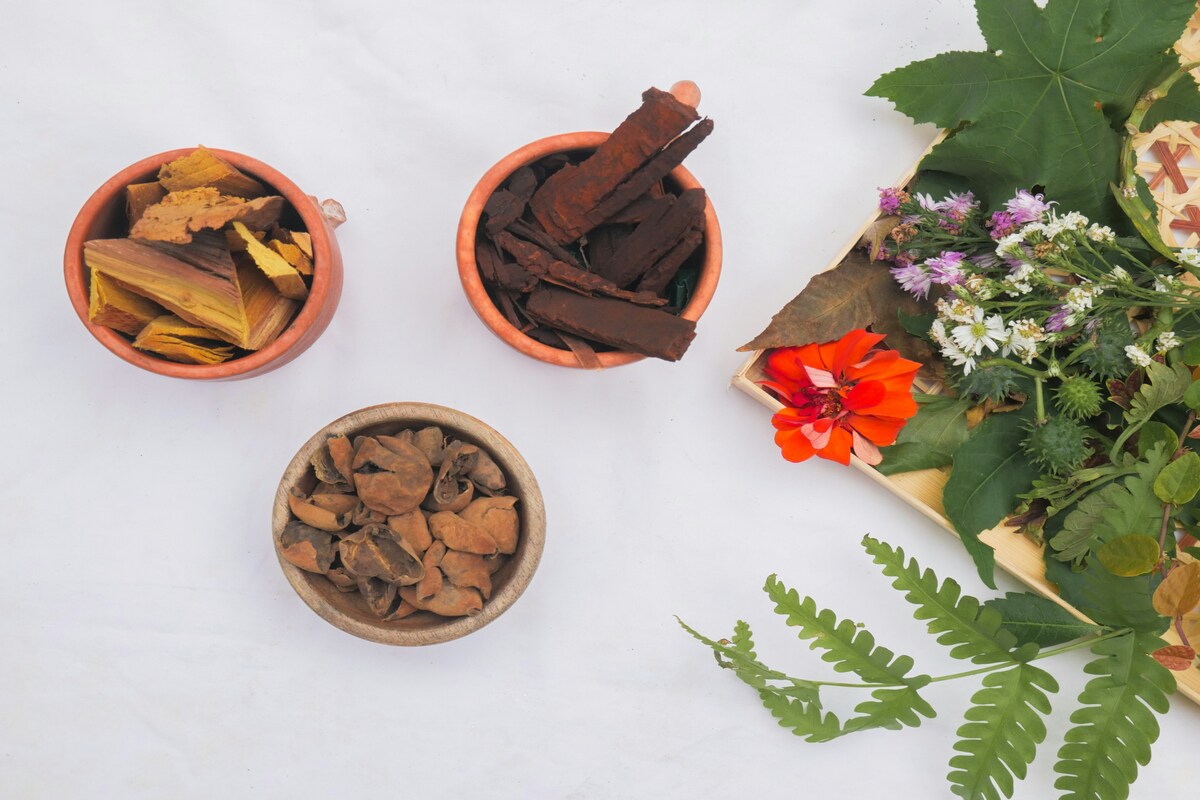
- Pitta-Pacifying Herbs: Consistent use of Yashtimadhu (Licorice), Shatavari, and Amla creates a natural protective shield over the stomach mucosa, promoting rapid cellular repair.
- Deepana & Pachana: Herbs like Fennel (Saunf) and Coriander are used to rekindle the digestive fire without increasing internal heat.
3. Marma Therapy (Energy Point Healing)
This method involves stimulating specific energy points to improve the gut-brain connection, which is vital for stress-induced cases.
- Nabhi Marma: Applying gentle pressure or medicated oils to the navel region helps regulate Samana Vayu, the energy responsible for the balanced secretion of digestive enzymes and acid.
4. External Cooling Treatments (Bahir-Parimarjana)
For those experiencing an acute gastritis flare-up, external therapies provide immediate gastritis pain relief by pulling heat away from the core.
- Shirodhara: Pouring a continuous stream of medicated oil on the forehead. This is crucial for managing stress-induced gastritis as it calms the nervous system and lowers cortisol-driven acid spikes.
- Hrid Basti: A specialized treatment where a reservoir of cooling herbal oil is placed over the stomach area to physically soothe the inflamed lining and heal ulcers.
5. Sattvavajaya Chikitsa (Psychosomatic Healing)
Since emotional tension is a primary trigger, Ayurveda utilizes Sattvavajaya (Mental Health Care). This includes Yoga Nidra and cooling Pranayama (like Sheetali), ensuring that mental stress does not translate into physical stomach inflammation.
This holistic approach is especially vital for managing working moms’ stress, as balancing professional and domestic roles often exacerbates the acid-secreting response.
The Ayurvedic Diet for Gastritis Recovery
A Pitta-pacifying diet is the foundation of permanent recovery, as it prevents the accumulation of excess acid and allows the stomach lining to regenerate. In Ayurveda, this is known as Pathya (favoured foods) and Apathya (foods to avoid).
- Alkalizing Liquids: Incorporating naturally cooling drinks like fresh coconut water and ash gourd juice provides an immediate buffer against burning sensations.
- Healing Fats: Consuming a teaspoon of A2 Cow Ghee on an empty stomach serves as a powerful gastritis home remedy, lubricating the digestive tract and healing internal erosions.
- The Power of Herbal Infusions: Ayurvedic herbal teas serve as digestive balms that neutralize excess acid and reduce gastritis bloating without increasing internal heat. Specific infusions made from Fennel (Saunf), Coriander (Dhania), and Cumin (Jeera) are highly effective because they provide immediate cooling to the stomach mucosa. These infusions help stabilize the digestive fire (Agni) and are a superior alternative to caffeinated beverages, which often trigger further gastric irritation.
- Probiotic Support: Freshly prepared buttermilk (Takra) seasoned with roasted cumin helps restore the gut microbiome, which is essential for those recovering from an H. pylori infection.
Using a calorie calculator can help you plan smaller, frequent meals that provide enough energy without overloading your digestive fire (Agni).
Foods to Avoid (Apathya)
To ensure permanent gastritis pain relief, it is critical to eliminate “Vidahi” (burning) foods that aggravate the Pitta dosha—the metabolic energy principle responsible for internal heat and digestion. Avoiding these specific triggers prevents the escalation of acidity and allows the stomach’s protective lining to regenerate naturally.
- Fermented Items: Avoid curd, vinegar, and fermented batters (like idli or sourdough), which increase acidity.
- Stimulants: High intake of caffeine, alcohol, and carbonated drinks is a primary factors that cause gastritis attacks.
- Pungent Spices: Red chillies, raw garlic, and excessive cloves should be replaced with cooling spices like cardamom and turmeric.
Maintaining a healthy body mass is essential for long-term recovery; you can track your metabolic health by using our BMI calculator to ensure your weight remains in a balanced range.
Daily Micro-Habits for Gastritis Recovery
Healing the stomach lining requires small, consistent shifts in daily rhythm that prevent acid accumulation and promote mucosal repair. Integrating these micro-habits ensures that the digestive tract remains calm and resilient throughout the day.
Sun-Synchronized Meals: Consume your largest meal between 12:00 PM and 2:00 PM when the solar energy is highest, as this aligns with the body’s peak digestive strength. Eating a heavy meal after sunset forces the stomach to produce excess acid during its resting phase, leading to nocturnal irritation.
The 32-Chew Rule: Masticating every bite until it reaches a liquid state reduces the mechanical workload on the inflamed stomach lining. Saliva is naturally alkaline; mixing it thoroughly with food acts as a biological buffer against gastric acidity.
Post-Meal Vajrasana: Sitting in Vajrasana (Thunderbolt Pose) for five minutes after eating redirects blood flow toward the digestive organs. This simple posture prevents gastritis bloating and ensures that food moves efficiently through the gastrointestinal tract.
Copper-Free Hydration: Switch from copper vessels to earthen pots or glass for storing water. While copper is beneficial for some, its “heating” nature can aggravate an already inflamed Pitta dosha, whereas clay pots provide a natural cooling effect.
Left-Side Reclining (Vamkukshi): If you must rest after lunch, lie on your left side for 10–15 minutes. This anatomical position prevents stomach acid from rising into the esophagus, significantly reducing the risk of acid reflux.
The Mind-Body Connection: Managing Stress-Induced Gastritis
To cure gastritis permanently, one must address the “Manas” (mind), as emotional tension is categorized in Ayurveda as “Emotional Pitta”—the psychological aspect of internal heat. This mental pressure triggers a physical stress response that erodes the stomach lining with the same intensity as spicy food.
Just as managing this stress is crucial for gut health, it is equally important for overall neurological stability and preventing conditions like seizures, where the mind’s equilibrium is compromised. Consequently, integrating specific lifestyle habits is essential for maintaining long-term mucosal health and preventing stress-driven inflammation.
Circadian Rhythm (Dinacharya)
Aligning your meal and sleep timings with the natural clock helps regulate the secretion of digestive enzymes. Eating a light dinner before 7:00 PM is a vital gastritis home remedy that prevents nocturnal acid reflux.
Cooling Pranayama
Practicing Sheetali (the cooling breath) and Anulom Vilom helps lower the body’s internal temperature and calms the nervous system, providing significant pain relief during high-pressure weeks.
Sleep Quality
Deep, restorative sleep is the period when the stomach lining undergoes maximum cellular repair. Ayurveda recommends a consistent sleep schedule to ensure that the “Agni” remains balanced and does not turn into “Tikshnagni” (sharp, corrosive fire).
Abhyanga (Self-Massage)
Applying cooling oils like Coconut or Chandan (Sandalwood) to the scalp and soles of the feet dissipates excess internal heat, preventing sudden bouts of gastric inflammation caused by mental exhaustion. This practice, known as Abhyanga, calms the nervous system and lowers the body’s thermal load, which is essential for protecting the stomach lining during periods of high stress.
Balancing Digestion through Physical Activity
Moderate exercise helps regulate the digestive fire (Agni) and dissipates “Emotional Pitta” before it can trigger stomach inflammation. Gentle physical movement reduces the mental pressure that causes excess acid, provided you choose the best time to exercise to avoid overheating the body. A consistent, low-impact exercise routine improves gut-brain communication, ensuring a calm and balanced gastric environment.
Frequently Asked Questions
Can Gastritis Be Fatal? +
What Causes Gastritis During Pregnancy? +
How should B12 deficiency be managed and tested? +
Can You Resume a Normal Diet After Gastritis? +
What are the specific gastritis symptoms in women? +
Final Recovery Strategy
Achieving a permanent resolution to stomach inflammation requires a complete shift from temporary symptom suppression to long-standing systemic balance. By harmonizing the body’s internal environment and stabilizing the nervous system, you allow the gastric tissues to regenerate without the interference of chronic irritants. Prioritizing this holistic equilibrium ensures that the digestive system remains resilient, transforming daily wellness into a sustainable state of health.
Medical Disclaimer: This content is for educational purposes only and does not replace professional medical advice. Consult a healthcare provider before starting any new Ayurvedic protocol. Never ignore medical symptoms or delay seeking treatment based on information read here.
We value expert insights on holistic health and stress management. If you are a wellness professional, feel free to write for us and share your expertise with our growing community.
May you also read: How Long Do Flashbacks Last?