Clinical Judgment in Nursing: How to Make Better Decisions
Making the right decision at the bedside can feel difficult when several concerns compete for attention at once. A patient may report a new symptom while another has a changing vital sign, an unexpected test result, or a subtle change in behavior. Knowing which finding needs attention first takes more than just collecting information.
Clinical Judgment in Nursing provides a framework for interpreting those findings, setting priorities, taking appropriate action, and checking whether the patient responds as expected. For students and practicing professionals alike, understanding this process can make complex situations easier to break down and approach with greater clarity.
What Is Clinical Judgment?
Clinical judgment is the process of using patient information, clinical knowledge, and reasoning to recognize important changes, understand what they may mean, prioritize concerns, and decide what action to take.
It helps healthcare professionals make informed decisions based on the patient’s overall condition rather than relying on a single symptom, test result, or observation.
Clinical judgment brings together two essential elements:
- Human observation: The ability to notice changes in a patient’s appearance, behavior, tone of voice, or responses that may provide important clues beyond measurable data.
- Clinical knowledge: An understanding of pharmacology, pathophysiology, medications, laboratory values, and other clinical information needed to interpret patient findings.
How Clinical Judgment is Different from Critical Thinking and Clinical Reasoning
Clinical judgment is different from critical thinking and clinical reasoning, but all three work together.
Imagine a patient suddenly starts having trouble breathing.
- Critical thinking means looking at the situation carefully before deciding what is wrong. You consider what has changed and what could be causing it.
- Clinical reasoning means putting the clues together. You look at the patient’s breathing, vital signs, symptoms, medical history, and other information to understand what might be happening.
- Clinical judgment means deciding what to do next using the findings from critical thinking and clinical reasoning.
A simple way to remember it is:
Critical thinking = Ask questions
Clinical reasoning = Connect the clues
Clinical judgment = Decide what to do
How the NCSBN Clinical Judgment Model Relates to Practice
The NCSBN Clinical Judgment Measurement Model provides a framework for working through complex clinical situations. It describes six related processes:
- Recognizing Cues: Identify the findings that are most relevant to the situation.
- Analyzing Cues: Connect those findings and consider what they may indicate.
- Prioritizing Hypotheses: Determine which possible concern needs the most attention.
- Generating Solutions: Consider appropriate responses to the main concern.
- Taking Action: Choose and carry out the appropriate response within your role and scope of practice.
- Evaluating Outcomes: Check the response and determine whether further action is needed.
In practice, these processes help organize clinical thinking when several pieces of information must be considered at once. The model is also used in nursing education and Next Generation NCLEX testing to assess how candidates apply knowledge to changing clinical situations.
Licensure questions may present an unfolding case with new information added as the situation develops. For example, a case may describe a person whose blood pressure drops, heart rate rises, and urine output decreases. The candidate may need to identify the most concerning findings and determine which response should come first.
Why Clinical Judgment Matters in Patient Care
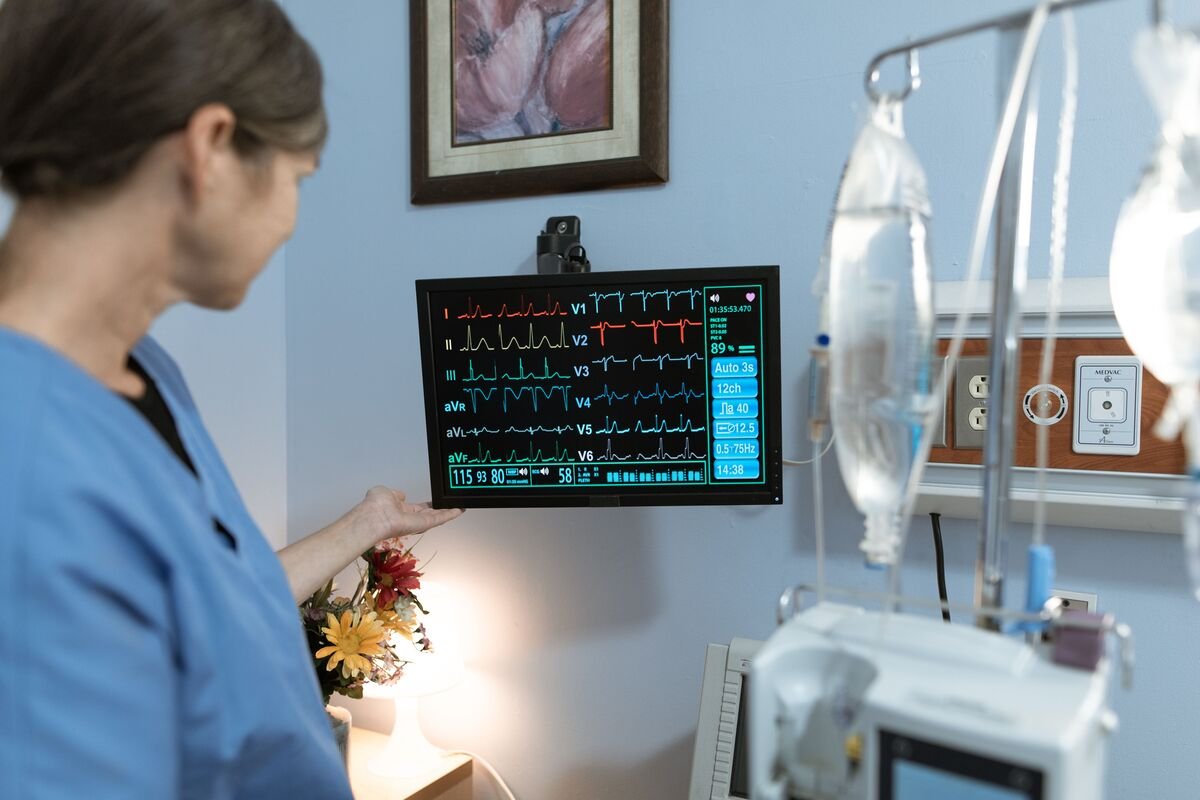
Hospital policies, staffing support, and monitoring tools can help clinicians make informed decisions at the bedside. Technology can flag an abnormal vital sign, but it cannot always tell whether the change signals a serious problem or reflects what is normal for that particular patient. That difference is where clinical judgment matters.
Preventing Patient Harm
Sentinel events are unexpected events that result in death or serious physical or psychological injury. Some serious patient safety incidents can occur when an important warning sign is missed or recognized too late.
For example, a sudden change in an older patient’s confusion or behavior may signal a developing problem. Recognizing that change early can prompt further assessment and timely intervention, which may help reduce the risk of complications such as falls or other injuries.
Supports Team Communication
Physicians rely on accurate, timely information when a clinician calls about a patient’s changing condition. Nurse practitioners may depend on an initial assessment before seeing the patient.
Medical assistants and front-office staff also help decide how urgently a patient needs an appointment based on their symptoms and warning signs. Each role contributes to timely, appropriate patient care.
Training Strengthens Clinical Judgment
Healthcare organizations can strengthen clinical judgment through practical training, such as simulation exercises and structured debriefs. These activities give staff a chance to work through realistic situations, review their decisions, and identify areas for improvement. Regular practice can also help professionals feel more prepared when they face complex situations in real clinical settings.
Clinical Judgment Across Different Healthcare Roles
Clinical judgment looks different depending on a professional’s responsibilities and access to information. A bedside clinician may notice subtle changes over several hours, while a physician may focus on diagnosis and treatment decisions.
A nurse practitioner may combine ongoing assessment with diagnostic decision-making. Other team members may use judgment to recognize when a concern needs prompt attention or escalation.
The goal remains the same: recognize relevant information, understand its significance, and respond appropriately within the person’s role and scope of practice.
Habits That Can Weaken Clinical Judgment
Good decision-making can become less reliable when certain habits take over. Some are easy to overlook because they develop during busy shifts.
- Hesitating to speak up: A newer team member may notice a concerning change but stay quiet because they are unsure about questioning a more experienced colleague. Clear communication gives the care team a chance to address the concern sooner.
- Alarm fatigue: Frequent alerts, especially when many turn out to be nonurgent, can make it harder to respond quickly to a meaningful warning.
- Rushed handoffs: Leaving out a small change in behavior or condition can remove useful context from the next person’s assessment.
- Overreliance on the chart: Electronic records provide valuable information, but they cannot replace direct observation of how someone looks, moves, speaks, or responds.
How to Improve Clinical Judgment in Nursing
Clinical judgment can improve with practice, feedback, and exposure to realistic situations. A few habits can make that practice more useful:
- Review difficult cases: After a difficult case, think about which signs you noticed early, what you may have missed, and what you could do differently next time.
- Practice realistic scenarios: Unfolding case studies and simulation exercises allow professionals to work through changing information instead of choosing from a single set of answers.
- Learn alongside experienced colleagues: Observing how an experienced professional gathers information and responds to changes can provide useful lessons that short check-ins may not cover.
- Track near misses: Reviewing situations that almost led to an unwanted outcome can reveal gaps in communication, assessment, or decision-making.
- Ask open-ended questions: Questions such as “What concerns you most right now?” can encourage people to share details that a simple yes-or-no question may miss.
If something seems unusual, say what you noticed and explain why it concerns you. You do not need to know exactly what is causing the change before telling the care team.
The Legal and Ethical Weight of Getting It Wrong
Clinical judgment also has legal and ethical implications. Clear documentation should include relevant findings, actions taken, and the reasons behind those actions. A brief note such as “patient stable” may not provide enough context about what was assessed or why a particular response was chosen. Following documentation standards and recording relevant clinical information creates a clearer record of care and supports communication among the care team.
Bottom Line
Clinical judgment is not about always having the perfect answer. It is about taking responsibility for decisions when the situation is unclear, while recognizing when to reconsider an approach or involve another member of the care team. Strong professionals stay open to new information and adjust their approach when the situation calls for it.
Frequently Asked Questions
Is clinical judgment the same as a gut feeling?
No. Clinical judgment is not the same as a gut feeling. A gut feeling is an instinctive sense that something may be wrong, often before you can clearly explain why. Clinical judgment goes further by using observations, clinical knowledge, patient information, and reasoning to decide what action is appropriate.
Does clinical judgment decline with burnout?
Yes. Chronic fatigue and emotional exhaustion narrow attention and increase the chance of missing subtle cues, which is one reason healthcare organizations are investing more in staffing ratios and mental health support.
How can a new graduate build clinical judgment faster?
A new graduate can build clinical judgment through case-based practice, simulation, feedback from experienced clinicians, and reflection after difficult cases. Reviewing what was noticed, missed, and handled differently next time can strengthen decision-making skills over time.
Why do experienced nurses sometimes disagree on the same patient?
Experienced nurses may disagree because they can interpret the same findings differently based on their clinical experience, available information, and what they assess as needing attention first. Different approaches do not always mean one person is wrong, especially when the situation is complex or changing.
References
- American Association of Colleges of Nursing. (n.d.). Clinical judgment.
- National Council of State Boards of Nursing. (n.d.). Clinical judgment measurement model.
- Dehghani, A. (2024). Development and validation of the clinical judgment capability questionnaire in nurses. International Journal of Nursing Studies Advances, 6, 100191. PMC.
- Notre Dame of Maryland University. (2024). Clinical judgment in nursing: Why good decision-making matters.
- UWorld Nursing. (2022). Clinical judgment in nursing: Definition and importance.
About the Author
John Watson founded StressHealed, a platform dedicated to evidence-based content on stress, wellbeing, and healthcare for nurses and frontline medical workers. John researches and writes about the healthcare system, from clinical workflows to workforce burnout, with content grounded in peer-reviewed studies, industry reports, and insights gathered directly from healthcare professionals.
Connect: stresshealed.com
Medical Disclaimer: This article about clinical judgment in nursing is for educational purposes only and does not replace professional training, clinical guidelines, or workplace protocols. Healthcare professionals should follow current evidence-based guidance and their organization’s policies when making clinical decisions.