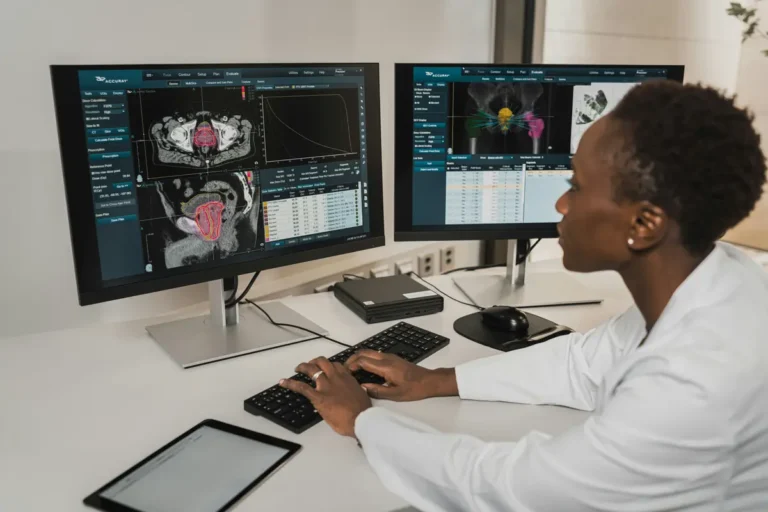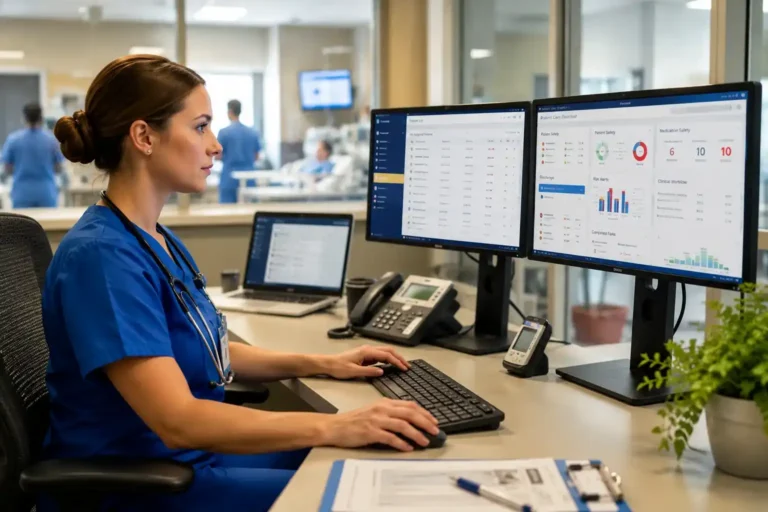
Best AI Apps for Nurses to Save Time in 2026
Priya has forty-five minutes left on a shift, four discharge summaries still open, and a night nurse waiting at the desk for handoff. Halfway through her report, her phone buzzes with a finished draft of the note she was about to type by hand. She fixes one word and keeps talking.
Moments like these help explain why so many nurses use AI tools during their shifts, sometimes on their own before their hospital’s IT department officially approves them. Charting can take up hours that nurses would rather spend with patients, and the right app may help give some of that time back.
This list looks at the best AI apps for nurses based on how they can actually help during a real shift, rather than simply repeating what the apps promise on their landing pages. I compared information from pricing pages, release notes, and nurse forums, focusing on tools used by hospital nurses, nurse practitioners, medical assistants, and healthcare administrators. Each role has different day-to-day responsibilities, so the most useful features vary depending on who is using the tool.
Why Nurses Need Specialized AI Tools for Their Daily Work
A nurse may juggle vital signs, medications, patient education, family updates, and charting while caring for six or more patients at a time. An AI scribe designed to handle just one doctor’s consult note does not address those day-to-day demands. Nurses need tools that can keep up with busy shifts, frequent interruptions, and constant multitasking.
Short-staffed units make this worse. When one nurse covers a heavier patient load, every minute saved on documentation is a minute returned to the bedside. That is the real value of nursing automation.
Think about a typical 12-hour shift. Nurses may check vital signs every four hours, give medications twice during the shift, handle an admission or discharge, and spend extra time talking with a family member when an update takes longer than expected. Add a growing stack of paperwork, and burnout can quickly become part of daily work.
For some nurses, ongoing stress can even make them consider leaving bedside care. If a tool cuts just 20 minutes from charting each shift, that time can add up to more than two hours over a six-shift week.
AI-Powered Voice Charting Tools for Nurses
Charting is one of the biggest time drains for nurses. These tools listen, transcribe conversations, and draft notes. Nurses can then review and edit the notes instead of writing everything from scratch.
Ambient AI Scribes for Nursing Documentation
▲ Heidi is popular with nurses because it is built around nursing workflows rather than adapted from a physician-focused scribe.
It can help with:
- Shift notes: Draft notes faster.
- Handover summaries: Pull key details together for the next nurse.
- Charting: Reduce the amount of documentation left after a shift.
- Getting started: A free tier lets nurses try the tool before paying.
Nurses who use Heidi more heavily may need a paid plan when they reach the free plan’s usage limits.
▲ NurseMagic takes a different approach. Instead of creating a separate note, it helps fill in the fields within the EMR a facility already uses.
Here’s how it works:
- Dictate once: The nurse speaks through the visit.
- Draft in the EMR: The information is placed into the appropriate chart fields.
- Review before signing: The nurse checks the draft and makes any needed changes.
- Consistent documentation: Facilities with multiple locations can use the same workflow across different units.
▲ Freed and Suki also work well in smaller clinics and outpatient settings, where workflows often differ from those in large hospitals.
- Freed: Offers simple, transparent pricing and can work well for independent practices and medical assistants supporting small provider teams.
- Suki: Focuses on voice commands, allowing staff to use EHR features hands-free while moving through a busy exam room or preparing for the next patient.
AI Documentation Tools for Large Healthcare Organizations
Larger hospital systems often look for platforms that can support multiple departments and fit into existing workflows.
- Abridge Nursing: Creates structured flowsheets from bedside conversations and links entries to the original dialogue. Charge nurses can review the original information before adding it to the patient’s record.
- Microsoft Dragon Copilot: Combines dictation and ambient listening in one workflow. It can be useful for organizations that want one documentation tool across nursing, physician, and radiology teams.
A Quick Reality Check on Scribes
None of these tools replace clinical judgment. They draft. A nurse still confirms, edits, and signs. Treat the AI output the same way you would treat a student nurse’s draft note: helpful, but not final until you have checked it.
AI Clinical Decision Support Tools for Nurses
Charting solutions solve typing. They do not solve the moment when a nurse needs a quick answer at 3 a.m. without digging through a policy binder.
Platforms designed for guideline-based support can help fill that gap. They pull information from clinical references and explain relevant thresholds or protocols in plain language. Many also provide sources, so nurses can check the information before making a clinical decision.
This can be especially useful for:
- Advanced practice nurses making judgment calls on escalation.
- Nurses working protocol-heavy units like triage or urgent care.
- New graduates who need a safety net while building confidence.
A general chatbot without clear sources is not ideal for this kind of task. Nurses need to know where an answer comes from so they can verify the information before using it, especially when a patient’s safety depends on the decision.
Picture a night-shift scenario. A patient’s potassium level comes back slightly high, while the covering provider is busy with another patient. A clinical reference tool can quickly surface the relevant threshold and guidance, along with a source the nurse can review.
This can help the nurse understand the situation while waiting to speak with the provider. It does not replace the provider’s assessment or call. Instead, it gives the nurse useful, source-based information during the wait.
AI Scheduling and Staffing Tools for Nurses
Scheduling can take a surprising amount of time, especially for charge nurses and unit managers who have to manage call-outs, staffing levels, and skill-mix requirements.
▲ NurseGrid helps nurses manage their schedules with features such as:
- Schedule access: View shifts across different facilities.
- Shift swaps: Message coworkers and coordinate schedule changes.
- Certification reminders: Get alerts when certifications are nearing expiration.
▲ Nursa helps connect nurses with available shifts when they want to pick up extra hours. For facilities, it can make filling open shifts faster than relying on calls or group messages.
▲ RosterLab uses AI to create staff rosters based on both employee preferences and scheduling requirements.
It can help nurse managers:
- Build rosters faster.
- Balance staff preferences.
- Account for scheduling and compliance rules.
- Reduce the time spent creating each schedule.
Smaller units without budget for dedicated software sometimes build a rough schedule with a general chatbot, then move it into a shared calendar. This approach can work for a small team. However, larger teams may need dedicated scheduling tools to manage shift swaps, staffing changes, and coverage gaps.
AI Tools for Better Patient Communication
A nurse spends a huge chunk of every shift translating medical language into something a scared patient or an exhausted family member can actually absorb. Language-assist tools can make patient communication easier by helping nurses:
- Simplify consent information so patients can better understand what to expect before a procedure.
- Write clear discharge instructions in simple language.
- Translate patient materials when needed.
This connects with the growing use of better technology for patient communication. If you want to learn more, our guide on how healthcare teams communicate with patients explains how hospitals are improving communication between staff, patients, and families.
Why This Matters More Than It Looks
Poor communication can lead to hospital readmissions. For example, a patient who does not understand how to care for a wound may return to the emergency department within a week. Clear and translated handouts can help patients understand their care and follow instructions correctly. These tools do more than save time. They can also help improve patient safety.
AI Data and Analytics Tools for Nursing Informatics
Not every nurse works bedside. Informatics nurses and healthcare administrators use this technology differently, often to analyze workflow data, flag documentation gaps across a unit, or standardize EMR templates system-wide.
NurseMagic’s organization dashboard helps nursing directors check charting completion across different locations without relying on paper audits. Administrators can also use scheduling data to spot overtime patterns before they lead to burnout.
Anyone moving toward this kind of role, or curious what an informatics nurse actually does day to day, should check out our full breakdown of the informatics nurse career path.
The Growing Role of AI in Healthcare Workplaces
Nursing technology is part of a larger change happening across hospitals, clinics, and healthcare offices. Front desk staff use automated tools to sort patient calls. Billing teams use software to find coding errors. Physicians also use decision-support tools to help with diagnoses.
I think the most useful way to look at all of this is not as separate gadgets, but as one connected shift in how healthcare teams spend their attention. We covered that broader trend in our guide to AI in healthcare workplaces, which is worth a read if you want the full picture beyond just nursing.
Choosing the Right AI Tools for Your Healthcare Role
Different jobs, different priorities. Here is a practical breakdown.
▲ For Hospital Bedside Nurses
- Start with an ambient scribe like Heidi or NurseMagic to cut charting time.
- Add a roster app like NurseGrid for shift swaps and certification tracking.
- Keep a quick guide nearby to check protocols during your shift.
▲ For Nurse Practitioners
- Prioritize a charting assistant that supports both notes and orders.
- Layer in a clinical reasoning platform for support during complex visits.
- Consider a CPD-focused learning library if maintaining certification hours is a priority.
▲ For Medical Assistants and Office Staff
- Voice-command companions like Suki reduce time spent navigating the EHR between patients.
- Language tools make patient instructions easier to understand and reduce repeat calls.
- A lightweight booking system prevents double-booked exam rooms.
▲ For Healthcare Administrators
- Dashboard-style trackers that monitor documentation completeness across sites.
- Predictive rostering software for complex, multi-unit staffing.
- Workforce analytics that flag overtime and burnout risk early.
What Nurses Should Know Before Using AI Tools
This technology is genuinely useful for nursing, but only inside guardrails.
- Never treat a machine draft as final. A person should check every AI note, summary, or suggestion before adding it to the record.
- Confirm HIPAA compliance before entering any real patient information into a platform, including free consumer chatbots.
- Watch for accuracy drift in noisy environments. Ambient scribes can mishear background conversation during busy shifts, so review notes carefully after a chaotic room.
- Do not use general-purpose chatbots for emergency decisions. Time-sensitive clinical calls still belong to trained judgment, not software.
After seeing how these tools are used in real nursing units, I found that the most useful apps are not always the most impressive. They are the ones that fit easily into a nurse’s daily workflow without requiring a whole new routine.
Frequently Asked Questions
Do nurses actually need a different scribe than doctors use? Often, yes. Physician-first tools are usually built around single-patient consult notes. Nursing work spans multiple patients, frequent interruptions, and tasks like medication administration and handoff reporting, so software built with nursing workflows in mind tends to fit better.
Is it safe to use free chatbots for patient notes? Generally, no. Free consumer chatbots lack healthcare-grade privacy protections. Use HIPAA-compliant healthcare platforms when working with real patient information.
Can ambient scribes work in a loud hospital environment? Most handle moderate background noise reasonably well, but accuracy drops in chaotic settings like a busy ED bay. Always proofread notes generated during high-noise shifts before signing off.
What is the fastest way to start saving time this week? An ambient documentation app can be a good place to start because charting takes up a lot of a nurse’s time. Most offer a free trial, so testing one for a week is a low-risk way to see the impact firsthand.
Do smaller clinics need enterprise-level platforms? Not usually. Independent practices and smaller teams often do better with budget-friendly, self-serve options rather than large enterprise systems built for hundred-bed hospital networks.
References
- iatroX, “Best AI tools for nurses 2026: clinical reference, documentation, and CPD”.
- NurseMagic, official product overview.
- Doximity, “Best AI Medical Scribe Tools in 2026”.
- IntuitionLabs, “Suki vs Nuance DAX vs Abridge vs Freed: AI Scribes Compared”.
- Capterra, “Best Nurse Scheduling Software 2026”.
- SourceForge, “Compare the Top Nurse Scheduling Apps for iPad”.
About the Author
John Watson founded StressHealed, a platform dedicated to evidence-based content on stress, wellbeing, and healthcare for nurses and frontline medical workers. John researches and writes about the healthcare system, from clinical workflows to workforce burnout, with content grounded in peer-reviewed studies, industry reports, and insights gathered directly from healthcare professionals.
Connect: stresshealed.com
Disclaimer: This content is for general information only and does not replace medical advice.
Always consult a qualified healthcare professional for medical concerns.