How AI Is Changing Daily Work for Healthcare Workers
Walk onto any hospital floor today, and you will notice something different about how nurses start their shift. The paperwork that used to swallow the first hour of every workday is shrinking. Vitals trends get flagged before a nurse even opens the chart. Shift notes draft themselves in the background while a nurse is still at the bedside. None of this is a far-off prediction. It is already part of daily routine in hospitals across the country.
AI is changing daily work for healthcare workers, but the change is happening in places most people may not expect. It is showing up in small, repetitive tasks that quietly consume hours of every shift, such as charting, triage flags, scheduling, and insurance checks. For nurses, doctors, medical assistants, and administrators, the real workday has shifted.
This piece breaks down exactly what has changed, where it genuinely helps, and where healthcare workers still need to stay cautious.
How AI Is Reducing Nurses’ Documentation Work
For many hospital nurses, charting takes up a significant amount of time during a shift. In the past, nurses often relied on paper charts, handwritten notes, and manual searches for patient information. AI tools are now helping reduce this workload by handling some of the repetitive parts of documentation.
AI-Powered Ambient Documentation During Patient Visits
Newer AI tools can listen to patient conversations, with the patient’s consent, and turn them into organized clinical notes. One nurse practitioner I spoke with said the technology lets her focus on the patient instead of typing during the visit.
By the time she leaves the room, a draft note is already waiting in the chart. She still reviews and edits it, but AI has cut her initial note-taking time from about 10 minutes to just 90 seconds.
Smarter Clinical Documentation and Templates
The difference between old digital charting and today’s tools is intelligence, not just speed. Modern AI systems can pull relevant information from a patient’s medical history, flag missing details, and suggest wording based on the actual visit. This can reduce the need for manual copy-pasting and help prevent documentation errors in electronic health records.
How AI Can Reduce Clinical Alert Fatigue
Doctors and nurse practitioners have dealt with poorly designed clinical alerts for years. Some systems show a warning for almost every drug interaction, even when the risk is minor. After seeing so many alerts, healthcare workers can get used to clicking through them without reading. Newer systems are working to reduce unnecessary alerts and make important warnings easier to notice.
Newer systems only highlight alerts when there is a real risk. A physician friend described the change this way: the old system gave so many alerts that important warnings could get lost in the noise. Now, it only interrupts him when something truly matters, such as a medication dose that could harm a patient with reduced kidney function.
Key Improvements in AI-Powered Clinical Decision Support:
- Fewer irrelevant pop-ups during order entry.
- Risk-ranked alerts instead of one-size-fits-all warnings.
- Suggested order sets based on the patient’s actual condition, not a generic protocol.
- Drug interaction checks that account for the patient’s full medication list, not just the newest prescription.
AI-Powered Triage and Early Warning Systems for Nurses
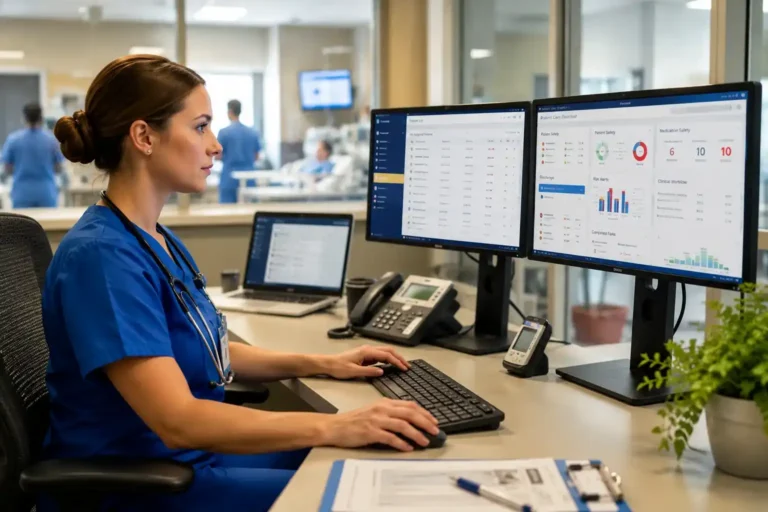
This is where nurses may notice the biggest difference. Predictive tools now work in the background of many hospital systems. They track vital signs and lab results. They can also spot changes that a busy nurse may miss during a 12-hour shift.
I remember a story from a charge nurse in a telemetry unit. One patient’s vital signs looked stable, and nothing seemed serious enough to trigger a rapid response. The model detected falling oxygen levels and a rising heart rate. It caught the pattern hours before the changes became obvious. The care team stepped in early, and the patient did not need to be transferred to the ICU.
This is not about replacing nursing judgment. It is about giving nurses an early nudge so their judgment has more time to work.
Where AI Early Warning Systems Can Help Most
- Sepsis detection, where minutes genuinely change outcomes.
- Fall risk scoring, updated in real time instead of a static assessment done once per shift.
- Deterioration monitoring on general floors where nurse-to-patient ratios leave little room for constant manual checking.
How AI Is Changing Healthcare Scheduling and Administrative Work
Healthcare administrators and office staff rarely get mentioned in AI conversations, but their daily work has changed just as much as clinical staff.
Staffing shortages have made scheduling a nightmare for years. Predictive scheduling tools forecast patient volume using past patterns, seasonal illness trends, and local weather data. This helps administrators schedule enough staff before patient numbers rise instead of scrambling afterward.
AI for Front Desk and Medical Office Tasks
Medical assistants and front office staff deal with a constant stream of phone calls, insurance verifications, and appointment scheduling. AI-driven phone systems and chatbots now handle routine tasks like scheduling appointments, confirming prescription refills, and checking basic insurance eligibility. This allows staff to focus on calls that need a human touch, such as a worried patient asking about test results.
This shift toward digital healthcare communication is also changing how patients themselves interact with the system, from secure messaging to telehealth check-ins.
Administrative tasks now commonly automated:
- Insurance eligibility verification before appointments.
- Appointment reminder calls and rescheduling.
- Basic prior authorization paperwork drafting.
- Claims scrubbing to catch coding errors before submission.
AI in Medical Imaging and Lab Work
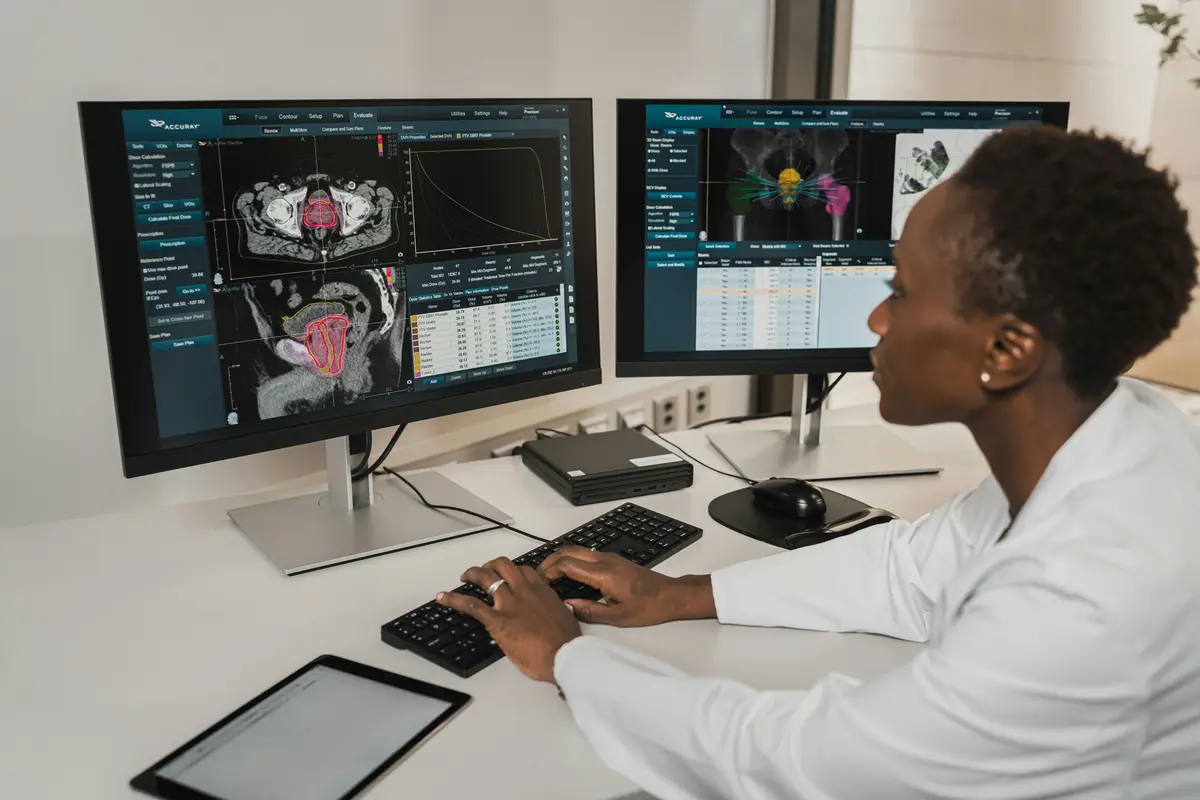
Radiologists and pathologists were among the earliest to work alongside AI tools, and that experience offers a preview of where other specialties are heading. Image analysis software can flag suspicious areas on scans for closer review. It acts like a second reader that does not get tired at the end of a long shift.
This matters for frontline staff too. A nurse at an outpatient imaging center explained that the system automatically moves flagged scans higher in the radiologist’s queue. This helps urgent findings reach the ordering physician faster.
The nurse’s role did not change much, but critical results reached doctors faster. That faster communication can directly improve patient care.
Key Concerns About AI in Healthcare
It would be dishonest to write about this topic without addressing the concerns clinical staff brings up constantly. In my conversations with nursing staff, three worries came up repeatedly.
1. Alert Overload and Information Fatigue
Some newer AI tools generate their own flood of suggestions and flags. Too many recommendations can cause staff to ignore them. The same thing happened with old pop-up alerts. Good AI implementation requires constant tuning, not a one-time install.
2. Trust, Accountability, and AI Governance
If an algorithm suggests a treatment and something goes wrong, who is responsible? Nurses and physicians want clear answers, but many organizations are still developing rules for AI use. This is a real concern that healthcare organizations need to address before they rely on these systems.
3. Losing the Human Connection
Several nurses worry that too much AI use could make patient care feel less personal. A wearable microphone capturing a conversation is different from a nurse fully present with a patient.
The most useful tools work quietly in the background without getting in the way of patient care.
A Nurse’s Daily Workflow Before and After AI
To make this concrete, here is a rough sketch of how a hospital nurse’s day has shifted over the past few years.
Before:
- Manual vitals charting every hour.
- Static fall-risk assessment done once per shift.
- Paper-based or hard-to-use digital shift handoff reports.
- Reactive response when a patient’s condition worsens.
Now:
- Vitals feed automatically into the chart with trend flags.
- Continuous fall-risk scoring updated with new data.
- AI-generated handoff summaries reviewed and confirmed in minutes.
- Early alerts that help staff act sooner.
Nurses still do the same essential tasks. But AI can reduce some routine work, giving nurses more time and attention for what requires a human touch: comforting a scared patient, catching something the system missed, or speaking up for a treatment change during rounds.
Practical Advice for Healthcare Workers Adapting to These Tools
If your facility is rolling out new AI tools, a few habits make the transition smoother.
- Ask for the “why” behind flagged alerts, not just the flag itself. Understanding the reasoning builds trust and helps you catch when the system is wrong.
- Report false positives and false negatives to your informatics team. These systems improve with feedback, and your frontline observations matter more than most vendor testing.
- Keep your clinical judgment as the final check. Every tool I researched for this piece is described by its own vendors as decision support, not decision replacement.
- Push for training time, not just a login credential and a five-minute demo. Staff who understand how a tool actually works trust it more and use it better.
A useful way to think about AI in healthcare is to see it less as a threat and more as a new tool that is fast with data but cannot replace human care.
Looking Ahead
The pace of AI adoption in healthcare is accelerating. Voice-based documentation, predictive staffing, and early warning systems are already becoming part of everyday clinical workflows. As these technologies expand, healthcare workers need a meaningful role in deciding how they are implemented and used.
Frontline nurses, physicians, and other staff understand the practical demands of patient care, making their input essential when organizations introduce AI into clinical workflows. The goal is not simply to use new technology, but to integrate it in ways that support clinical judgment, patient safety, and high-quality care.
FAQ: AI and Daily Work in Healthcare
Does AI replace nursing judgment? No. Clinical AI tools support healthcare decisions. Nurses and physicians still make the final decisions about patient care.
Will AI reduce nursing jobs? Most evidence points toward AI reducing administrative burden rather than reducing headcount. Staffing shortages in nursing remain a bigger workforce issue than automation.
What AI tool changes a nurse’s daily routine the most? Ambient documentation tools can have the biggest impact on a nurse’s daily routine because they reduce the time spent documenting patient visits. Automated vital-sign tracking can also save time by continuously monitoring patient data and flagging important changes.
Is patient data safe with these new AI tools? Reputable healthcare AI tools are built to comply with HIPAA and similar regulations, but data privacy remains a key concern that facilities should vet carefully before adoption.
How can medical office staff prepare for AI-driven scheduling tools? Learning the override process is essential. Automated scheduling still needs a human to handle exceptions, complex cases, and unhappy patients on the phone.
Do doctors get less alert fatigue with newer AI systems? Many report fewer irrelevant pop-ups because newer systems rank alerts by clinical risk instead of flagging everything equally, though results vary by vendor and configuration.
References
- Faiyazuddin, M., et al. “The Impact of Artificial Intelligence on Healthcare: A Comprehensive Review of Advancements in Diagnostics, Treatment, and Operational Efficiency.” Health Science Reports, 2025. PMC.
- Johns Hopkins Engineering for Professionals. “AI in Healthcare: Applications and Impact.”
- Harvard Medical School, Postgraduate Medical Education. “Benefits of the Latest AI Technologies for Patients and Clinicians.”
- HIMSS. “The Impact of AI on the Healthcare Workforce: Balancing Opportunities and Challenges.”
- Australian Government Department of Health. “Artificial Intelligence (AI) in Health Care.”
- National Nurses United. “Artificial Intelligence” (nursing workforce perspective).
- Modern Healthcare. “How AI Is Enhancing Healthcare Professionals’ Work-Life Balance.”
Disclaimer: This article is for informational purposes only and is not a substitute for professional medical advice, diagnosis, or treatment. Always consult a qualified healthcare provider with any questions regarding a medical condition.
About the Author
John Watson founded StressHealed, a platform dedicated to evidence-based content on stress, wellbeing, and healthcare for nurses and frontline medical workers. John researches and writes about the healthcare system, from clinical workflows to workforce burnout, with content grounded in peer-reviewed studies, industry reports, and insights gathered directly from healthcare professionals.
Connect: stresshealed.com