11 Natural Ways to Regain Weight After Stress-Induced Loss
Introduction
Stress is one of those things that feels invisible until it physically shows up in your life. Many people are familiar with stress making them overeat or crave junk food—but the opposite is just as real: stress can lead to weight loss. You might be wondering, “Can stress cause weight loss even if I’m eating normally?” or “Why am I losing weight without trying?” Stress-related weight loss is real, and understanding it requires looking at the problem from multiple angles: biological, psychological, physiological, and even genetic.
Imagine a woman juggling a high-pressure corporate job, family responsibilities, and personal challenges. Over months, she notices her jeans feel loose, her energy levels drop, and she isn’t eating less intentionally. This isn’t uncommon.
Common Symptoms of Stress-Induced Weight Loss

Before the pounds noticeably drop, your body often sends subtle warning signs. Recognizing these early can help you address the root cause:
- Unintentional Weight Loss: Clothes feel looser despite no changes in your exercise routine.
- Loss of Appetite: Stress hormones can “turn off” hunger signals, making food feel unappealing or even causing nausea.
- Persistent Fatigue: You may feel constantly tired and low on energy, even without major physical activity.
- Digestive Disruptions: Stress disrupts the gut-brain axis, leading to stomach discomfort, diarrhea, or constipation.
- Physical Changes: You may notice muscle loss and hair thinning.
- Emotional Red Flags: Irritability, anxiety, and difficulty concentrating often go hand-in-hand with physical weight loss.
Why Does Stress Make You Lose Weight? (Biological & Psychological Perspective)
Stress affects the body and mind in ways that can quietly influence your weight. The connection isn’t always obvious, but internal changes begin long before you notice physical results. To understand this, it’s important to look at both the biological processes and psychological patterns involved.
The Hormonal Shift
When you are under chronic stress, your body stays in a state of high alert. Adrenaline increases your heart rate and breathing, which burns more energy. Meanwhile, Cortisol can alter how your body stores and burns fat. In many people, this combination leads to “hyper-metabolism,” where you burn calories even while resting.
The Mental Toll
From a psychological perspective, stress affects how you think, feel, and behave around food. When the mind is overwhelmed, eating often becomes a low priority. People may skip meals, lose interest in food, or struggle to maintain regular eating habits. Emotional strain can also reduce motivation and disrupt daily routines, creating an unintentional calorie deficit that gradually leads to weight loss.
Other Underlying Causes of Rapid Weight Loss
While stress is a major factor, it often acts as an amplifier for other physiological or medical conditions. It is important to distinguish between them:
- Metabolic & Hormonal Disorders: Conditions like Hyperthyroidism (overactive thyroid) accelerate metabolism, leading to weight loss despite normal eating. Similarly, uncontrolled Diabetes forces the body to burn fat and muscle for energy.
- Digestive Issues: Disorders like Crohn’s disease or Celiac disease prevent the body from absorbing nutrients properly. Stress often worsens these symptoms, making weight loss more rapid.
- Genetic Predispositions: Genetics play a role in how your body responds to cortisol. Some people naturally have a faster basal metabolic rate (BMR) and are more vulnerable to weight drops during stressful periods.
- Lifestyle Factors: Overtraining (excessive exercise without recovery) or skipping meals due to a hectic lifestyle can contribute to the deficit.
Not sure how stressed you are? You can check your stress level with our Stress Level Checker Tool here.
Stress-Related Weight Loss in Women
Women are particularly susceptible to stress-related weight loss due to a unique combination of hormonal fluctuations, reproductive cycles, and social pressures. Unlike men, women’s bodies often respond to chronic stress by disrupting delicate hormonal balances, which can exacerbate weight changes already linked to the menstrual cycle or menopause.
The Role of Hormones and Reproductive Health
Stress hormones like cortisol interact directly with female sex hormones. When stress becomes chronic, it can lead to more serious reproductive health issues:
- Irregular Periods: High stress can lead to amenorrhea (missed periods) or irregular cycles, as the body deprioritizes reproduction during “survival mode”.
- Fertility and Bone Health: Persistent weight loss and hormonal imbalance can affect long-term fertility and even reduce bone density, increasing the risk of wellness issues later in life.
- Pregnancy Concerns: Pregnancy adds another layer of complexity. While some weight fluctuations are normal due to morning sickness, chronic stress can affect both the mother and the fetus. Doctors monitor weight closely during this time to ensure healthy maternal and fetal outcomes.
Recognizing the Signs in Daily Life
Recognizing female-specific symptoms is crucial. If you notice your clothes fitting differently or your energy levels plummeting alongside irregular cycles, it is a sign that your body is struggling to cope with the stress.
Stress-Related Weight Loss in Men

While the internal “fight-or-flight” response is universal, men often experience unique physical and behavioral shifts when stress leads to weight loss. Because men typically have a higher percentage of muscle mass, chronic stress can impact their bodies in specific ways:
Muscle Wasting vs. Fat Loss: High stress levels can trigger the body to break down muscle protein for energy instead of fat. Men may notice a loss of physical “bulk” and strength in their arms and chest, even if their waistline remains the same.
The Testosterone Connection: Chronic stress can lead to a drop in testosterone levels. This often results in “brain fog,” persistent irritability, and a noticeable decrease in physical stamina or libido alongside the weight drop.
Behavioral “Pushing Through”: Socially, men are often conditioned to ignore stress and “keep working.” This leads to a reliance on caffeine or nicotine to stay productive, both of which are natural appetite suppressants that accelerate weight loss by masking hunger.
Physical Burnout: For men, stress-induced weight loss is frequently accompanied by a feeling of being “burnt out”—where even light physical tasks or workouts feel exhausting because the body’s unable to recover.
When Should You Be Concerned?
Unintentional weight loss can be alarming. Research suggests that losing more than 5% of your body weight within six months without trying is a signal to consult a professional. Stress-related weight loss is rarely a simple matter of “eating more”; it requires managing the mental triggers and balancing your body’s internal chemistry.
11 Natural Ways to Regain Weight After Stress-Induced Loss
Recovering from stress-related weight loss requires a balance of high-quality nutrition and nervous system regulation. Here are ten effective, natural strategies to help you rebuild your health:
1. Prioritize Nutrient-Dense “Power” Foods

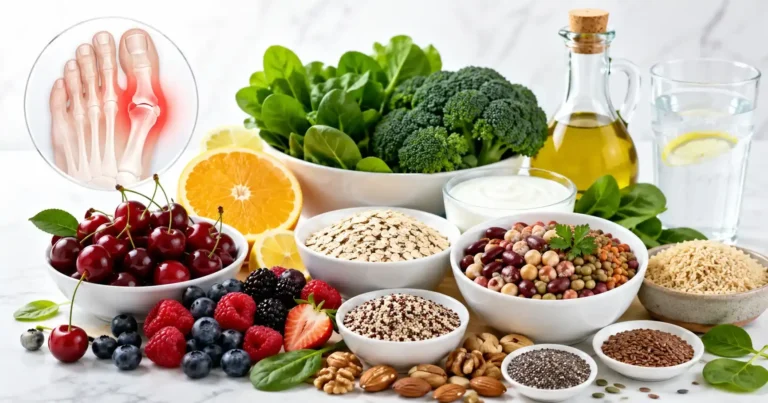
When stress lowers your appetite, focus on “small volume, high calorie” foods. Healthy fats like avocados, olive oil, and nuts provide concentrated energy that helps rebuild your body’s stores without making you feel overly full.
2. Use a Calorie Calculator for a Clear Target
It is difficult to gain weight if you don’t know your daily energy needs. Use a Calorie Calculator to find your “Maintenance Calories,” then aim to add a surplus of 300–500 healthy calories daily to ensure steady, natural weight gain.
3. Switch to High-Calorie Liquid Nutrition

If stress makes you feel too nauseous or tired to chew a heavy meal, “drink” your calories. High-calorie smoothies—made with peanut butter, oats, bananas, and full-fat milk—are much easier on a stressed digestive system.
4. Move to Smaller, More Frequent Meals
Instead of forcing three large meals, eat 5–6 smaller portions throughout the day. This prevents the bloating and discomfort often associated with stress-related digestive disruptions and keeps a steady flow of nutrients to your muscles.
5. Practice “Rest and Digest” Eating
Stress keeps your body in “fight-or-flight” mode, which actively shuts down digestion. Before every meal, take five deep, slow breaths. This simple act signals your brain to enter “rest and digest” mode, allowing your body actually to absorb the nutrients you consume.
6. Monitor Your Progress with a BMI Tool
Tracking your Body Mass Index (BMI) provides an objective goal for your recovery. Use a BMI Calculator once a week to monitor your journey from “Underweight” back into the “Healthy” range. This helps you stay motivated as you see physical progress.
7. Prioritize Strength Training over Cardio

Intense cardio (like long-distance running) burns too many calories when you are trying to gain weight. Instead, focus on light weightlifting or resistance exercises. This helps ensure that the weight you regain is healthy muscle mass rather than just body fat.
8. Avoid Filling Up on Water Before Meals
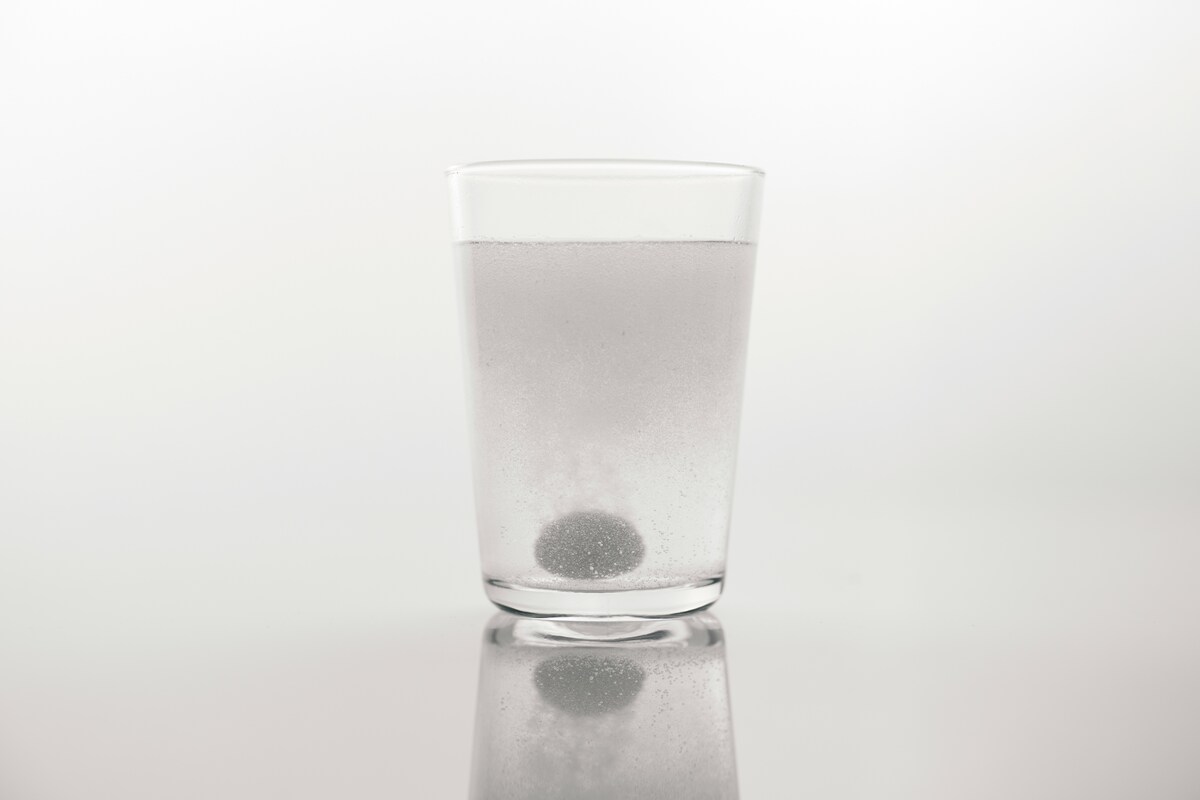
Drinking a large glass of water right before eating can fill your stomach and suppress your appetite. Save your beverages for after your meal to ensure you have enough room for calorie-dense food.
9. Focus on Quality Sleep for Muscle Recovery

Stress-induced weight loss often involves the breakdown of muscle tissue. Since your body repairs and builds tissue while you sleep, getting 7–9 hours of rest is essential for turning your nutritional intake into healthy physical mass.
10. Add Healthy “Hidden Calories” to Every Dish
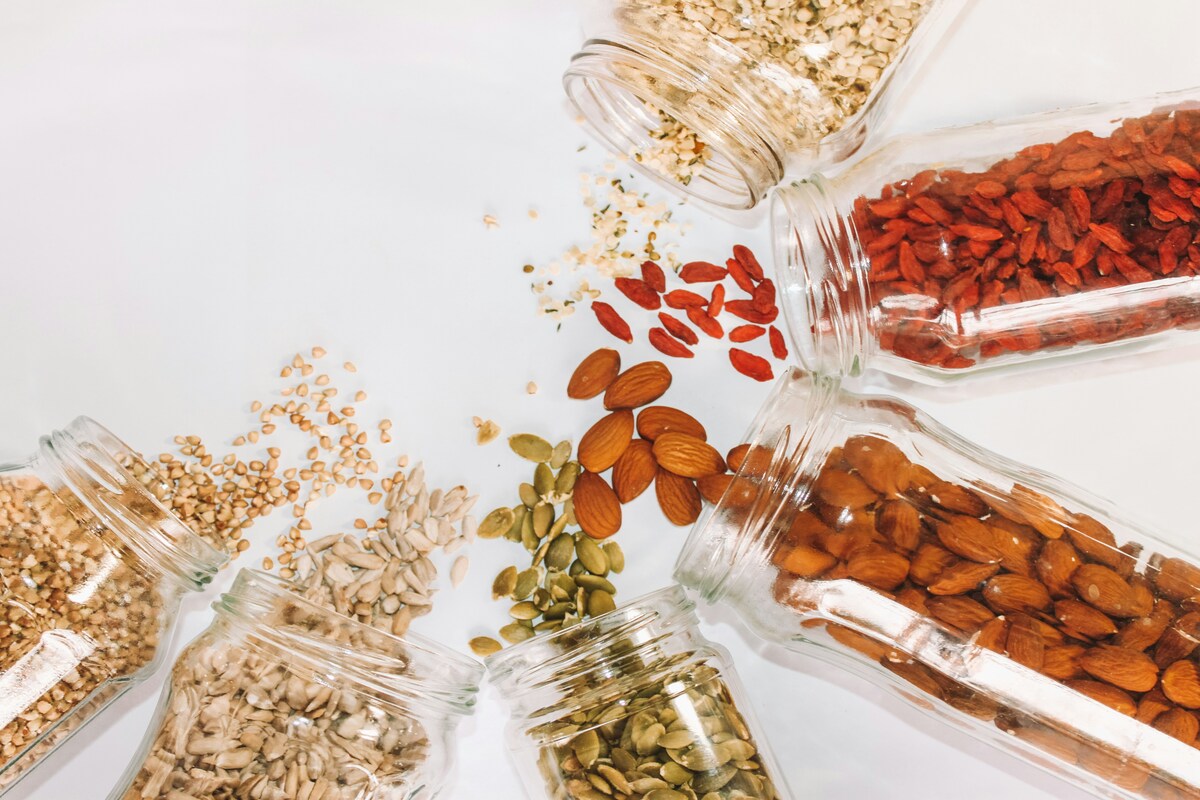
Make it a habit to “garnish” your snacks and meals with extra energy. Sprinkle flax seeds, chia seeds, or a spoonful of honey onto your yogurt or oatmeal. These small additions add up quickly over the day without making you feel stuffed.
11. Focus on Gut Health

Chronic stress disrupts your healthy gut bacteria, making it harder for your body to absorb nutrients. Adding Probiotics like yogurt or fermented foods to your diet can help repair your digestive system, making your weight gain journey much smoother.
What to Do in Cases of Extreme Weight Loss?
If your weight loss is becoming unmanageable and natural tips aren’t stopping the drop, it is crucial to take these three steps immediately:
1. Consult a Medical Professional

Extreme weight loss isn’t always caused by stress alone; sometimes, chronic stress “triggers” a dormant underlying condition.
- The Action: Schedule a comprehensive check-up and request a Full Blood Panel (Blood Test).
- The Reason: A doctor needs to rule out conditions like Hyperthyroidism (overactive thyroid), Type 1 Diabetes, or severe Nutrient Deficiencies (such as B12 or Iron). These conditions require specific medical treatment that diet alone cannot fix.
2. Work with a Registered Nutritionist

When the body is weakened by rapid weight loss, simply “eating more” can overwhelm your digestive system and cause further distress.
- The Action: Consult a professional nutritionist to create a tailored Medical Meal Plan.
- The Reason: They can suggest “high-calorie, low-volume” foods that provide maximum energy without making you feel sick or bloated. They may also recommend specific medical-grade supplements or protein shakes to stop the weight drop and rebuild your strength safely.
3. Seek Therapy or Counseling

If the root cause of your weight loss is emotional trauma, chronic anxiety, or workplace burnout, your body will not regain weight until your mind finds peace.
- The Action: Connect with a Licensed Psychologist or Counselor to help “switch off” your chronic Fight-or-Flight response.
- The Reason: Therapy provides you with the coping skills needed to manage the mental triggers causing your physical symptoms. Once your nervous system enters a “Rest and Digest” state, your cortisol levels will drop, allowing your body to start absorbing nutrients and rebuilding muscle mass again.
Frequently Asked Questions (FAQs)
1. Is it safe to lose 5kg within two months?
Losing 5kg in 8 weeks (about 0.5kg to 0.6kg per week) is generally considered a healthy and sustainable pace. However, if this weight loss is unintentional and happening without any changes to your diet or exercise, it could be a sign of stress-related “hyper-metabolism” and should be monitored.
2. Which types of cancer are most commonly linked to a sudden weight drop?
Unexplained weight loss can sometimes be an early symptom of certain cancers, particularly those affecting the digestive system, such as pancreatic, stomach, or esophageal cancer. Lung cancer and leukemia are also known to cause rapid weight changes. If weight loss is accompanied by extreme fatigue, it is best to consult a doctor.
3. Is managing body weight primarily a psychological challenge?
Yes, to a large extent. The “mind-body connection” plays a massive role in how we eat. Stress, anxiety, and depression can physically alter your appetite by changing hormone levels (like Cortisol). Managing your mental health is often the first step in stabilizing your physical health.
4. At what stage of life is it most difficult to manage weight changes?
Most experts suggest that the 40s and 50s are the hardest years due to slowing metabolism and hormonal shifts (like Menopause in women and lower Testosterone in men). During these ages, stress-induced weight changes can be more drastic and harder to reverse.
5. Can high stress levels cause a weight loss plateau?
Actually, stress usually does the opposite—it either causes a sudden drop (due to adrenaline) or prevents weight loss (due to high cortisol causing fat storage). If you are stuck at a certain weight despite being stressed, your body might be in “Survival Mode,” holding onto every calorie to protect you.
6. Which vitamins or supplements help in regaining weight naturally?
While no single “magic vitamin” causes weight gain, Vitamin B12 and Zinc are essential because they help stimulate appetite and improve digestion. Vitamin D is also crucial for muscle strength, which is often lost during periods of high stress.
Conclusion: Finding Your Balance Again
Stress-related weight loss is a powerful signal that your mental and physical resources are being stretched thin. Whether it is through the “hyper-metabolism” triggered by cortisol or the muscle-wasting effects often seen in men, the physical toll of a high-pressure lifestyle is a reality that shouldn’t be ignored.
Regaining your health is not just about increasing your calorie count; it is about calming your nervous system so your body can move back into a “rest and digest” state. By recognizing the early symptoms and implementing natural recovery strategies—like nutrient-dense eating and mindful movement—you can stop the downward spiral. Remember, your weight is often a reflection of your internal peace. Prioritize your mental well-being, and your physical strength will naturally follow.
Note: This is for informational purposes only; not a substitute for medical advice. Consult a healthcare professional for any serious health issues.