Stress and Gout: Can Stress and Anxiety Trigger Gout Flare-Ups?
Stress does not directly cause gout. Gout develops when urate builds up in the blood and forms needle-shaped crystals in the joints. This happens when the body produces too much urate, or the kidneys remove too little. However, not everyone with high urate levels develops gout (NIAMS, 2023). Research suggests physiologic stress may trigger gout flares, but stress itself has not been established as a cause of gout development (Helget & Mikuls, 2022).
Gout can affect more than just the joints. It may also involve the small fluid-filled sacs that cushion tissues around bones, the protective coverings around tendons, and the kidneys, where kidney stones can develop (NIAMS, 2023).
In this article, you’ll learn how stress and gout are connected, what causes gout flare-ups, and how gout is treated. You’ll also discover how gout relates to anxiety and depression and how long a gout attack may last.
What is Gout?
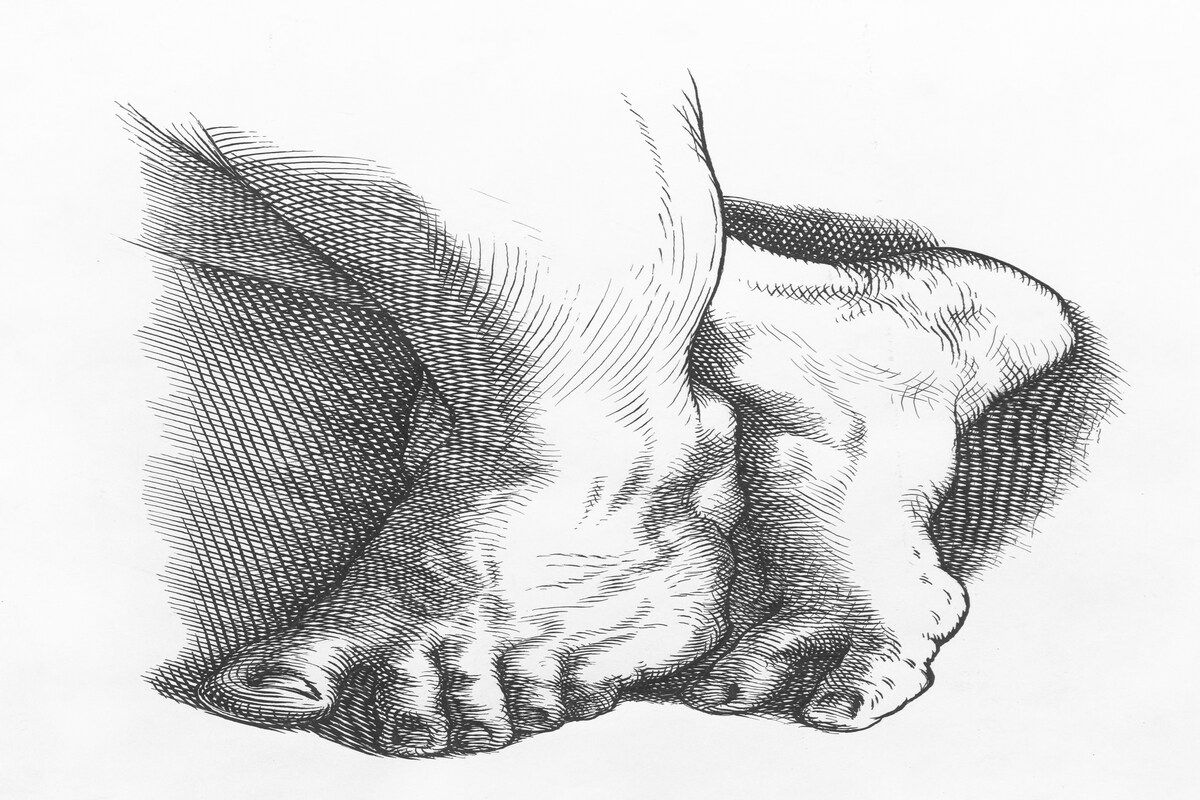
Gout is a type of inflammatory arthritis that develops when urate crystals build up in the joints. This happens when urate levels in the blood remain high enough for crystals to form. Gout can cause sudden, intense joint pain, swelling, redness, and warmth, often affecting the big toe. It can also affect the ankles, knees, wrists, fingers, elbows, and other joints in the feet and hands.
Gout can become serious if left untreated. Repeated gout attacks can damage joints over time, while long-term buildup of urate crystals may cause hard lumps under the skin called tophi (Mayo Clinic, 2026).
What Are the Stages of Gout?
Gout can progress through four stages, from elevated urate levels without symptoms to recurring attacks and the formation of tophi.
- Asymptomatic Hyperuricemia: Urate levels in the blood are elevated, and crystals may form in the joints, but there are no gout symptoms. Not everyone with high urate levels develops gout.
- Acute Gout Attack: Urate crystals trigger sudden inflammation in a joint, causing intense pain and swelling. These attacks are called gout flares.
- Intercritical Gout: This is the period between gout attacks when symptoms disappear. Even when the joint feels normal, urate crystals may remain.
- Chronic Tophaceous Gout: In this advanced stage, urate crystals form hard deposits called tophi under the skin or around joints. Tophi can damage joints, and gout can also affect kidney health (NIAMS, 2023).
Common Signs and Symptoms of Gout
Gout symptoms often appear suddenly and can cause intense discomfort in the affected joint. Symptoms can vary from person to person, but many people experience visible changes during a flare-up.
Some signs and symptoms of gout include:
- Sudden Joint Pain: Intense pain that develops quickly, often affecting one joint such as the big toe. Attacks frequently begin at night, and pain is usually most severe during the first 8 to 12 hours.
- Joint Swelling: Inflammation can cause the affected joint to become swollen, enlarged, and uncomfortable.
- Redness and Warmth: The skin around the painful joint may become red, warm, and sensitive. Redness may be less noticeable on darker skin tones.
- Joint Tenderness: Even light pressure or touch can make the affected area extremely sensitive.
- Lingering Discomfort: After the worst pain subsides, some joint discomfort may continue for several days or weeks.
- Limited Range of Motion: Pain and swelling may make it difficult to move the affected joint normally.
- Recurring Flare-Ups: Gout symptoms can return in episodes, with symptom-free periods between attacks.
- Tophi Formation: Long-term gout may cause hard lumps of urate crystals, called tophi, to develop under the skin around joints.
What Causes Gout?
The body produces uric acid when it breaks down purines found in certain foods and drinks. Normally, the kidneys filter uric acid from the blood and remove it through urine. However, if the body produces too much uric acid or the kidneys do not remove enough, uric acid crystals can form in the joints. High uric acid levels do not always lead to gout, but prolonged elevation increases the likelihood of developing the condition (Cleveland Clinic, 2026).
Risk Factors for Gout
Several factors can increase the risk of developing gout, including:
- Family history: Having close relatives with gout may increase your risk.
- Age and sex: Gout is more common in men. The risk increases with age, and women’s risk rises after menopause.
- Alcohol consumption: Drinking alcohol can increase the risk of gout.
- Sugary drinks: Sugar-sweetened beverages, including soda, may increase the risk.
- Diet: Eating foods high in purines, particularly certain animal-based foods, can contribute to higher urate levels.
- Overweight or obesity: Excess body weight is associated with a higher risk of gout.
Use our BMI Calculator to check your body mass index (BMI) and better understand your weight category.
Health Conditions Linked to Gout
Some medical conditions can increase the likelihood of developing gout, including:
- Chronic kidney disease, which can reduce the kidneys’ ability to remove urate.
- High blood pressure.
- Metabolic syndrome, which includes conditions such as high blood sugar, abnormal cholesterol levels, and excess abdominal fat.
- Psoriasis and certain cancers that increase cell turnover.
- Rare genetic disorders, such as Kelley-Seegmiller syndrome and Lesch-Nyhan syndrome.
Medications That May Increase Gout Risk
Some medications can raise urate levels or increase the risk of gout, including:
- Diuretics: Medications that help the body remove excess fluid.
- Low-dose aspirin: May reduce urate removal by the kidneys.
- High doses of niacin: This vitamin can affect urate levels when taken in large amounts.
- Cyclosporine: An immunosuppressant that can increase urate levels.
How Stress Triggers Gout
Stress does not directly cause gout, but it may contribute to flare-ups indirectly. Research suggests that stress can affect daily habits, such as eating patterns and medication adherence, making gout harder to manage. People living with gout may also experience psychological stress because of recurring pain and physical limitations (Gout Foundation, 2023).
If stress is making it harder to manage gout, try our Stress Level Checker to better understand your current stress levels and identify when you may need extra support.
Who Is More Likely to Develop Gout?
Gout can affect anyone, but certain factors increase the risk of developing it.
Gout is more common in:
- Men: Men generally have higher uric acid levels than women before menopause and tend to develop gout at a younger age.
- People with certain health conditions: High blood pressure, diabetes, obesity, kidney disease, and metabolic syndrome are associated with a higher risk of gout.
- Postmenopausal women: The risk of gout increases after menopause, possibly because lower estrogen levels affect uric acid removal.
Want to learn how gout affects men and women differently? Read our complete guide to gout by gender.
Understanding the Link Between Anxiety, Depression, and Gout
People diagnosed with gout may have a slightly higher risk of developing depression or anxiety. A population-based study involving 157,426 people with gout and an equal number of people without gout found an 8% higher adjusted risk of newly diagnosed depression and a 10% higher adjusted risk of newly diagnosed anxiety among people with gout. Unpredictable gout flares and their effects on daily life may contribute to emotional distress, although the study does not prove that gout directly causes these conditions (Howren et al., 2022).
How Is Gout Diagnosed?
Doctors diagnose gout by reviewing your symptoms, medical history, and risk factors and examining the affected joints. They may also use tests to check for urate buildup and rule out conditions that cause similar symptoms.
Common diagnostic methods include:
- Medical history: Your doctor asks about your symptoms, risk factors, and medications.
- Joint examination: The doctor checks the affected joint for swelling, tenderness, and other signs of inflammation.
- Blood test: A blood test measures urate levels. However, a high urate level alone does not confirm gout.
- Joint fluid test: The doctor collects fluid from an affected joint, swollen bursa, or tophus and examines it under a microscope for urate crystals.
- Imaging tests: Ultrasound or a specialized CT scan can help identify urate crystal deposits and investigate other possible causes of your symptoms.
A joint fluid test can help confirm gout by identifying urate crystals. Your doctor may use several findings together because other conditions can cause similar symptoms.
Treatment of Gout
Gout treatment aims to relieve pain during flares, prevent future attacks, lower urate levels, and reduce the risk of joint damage from tophi. The right approach may include medication and lifestyle changes to manage gout over time.
Medications for Gout Flares
Doctors may prescribe the following medications to reduce pain, swelling, and inflammation during a gout flare:
- Anti-inflammatory medications: Over-the-counter or prescription options can help relieve joint pain and swelling.
- Colchicine: This medication reduces gout-related inflammation and works best when started early in a flare.
- Corticosteroids: These medicines reduce inflammation and may be taken orally or injected into the affected joint.
Medications to Lower Urate Levels
Long-term treatment may include medications that lower urate levels in the blood, helping prevent future flares and reduce crystal buildup.
- Xanthine oxidase inhibitors: Reduce the amount of urate the body produces.
- Uricosuric agents: Help the kidneys remove more urate through urine.
- Uricase medications: Break down urate so the body can remove it more easily. These are generally reserved for people who have not responded adequately to other treatments.
Diet and Lifestyle Changes
Lifestyle changes can complement medication and help manage gout. Your doctor may recommend changes to your diet and other habits to address risk factors you can control. People with gout may also need treatment for related health conditions, including kidney or heart disease.
Stress Management
Chronic stress can make it harder to maintain healthy habits and manage gout. Relaxation techniques, regular sleep, and gentle activities such as walking or deep breathing may help you cope with stress. Stress management supports overall well-being, but it does not replace gout medication or directly lower urate levels.
Important: Do not start, stop, or change gout medication without consulting your healthcare professional. The right treatment depends on your individual needs.
Related Post: How to get immediate gout pain relief
How Long Does a Gout Attack Last?
A gout attack can last several days to two weeks without treatment. Pain and swelling usually peak within 12 to 24 hours, then gradually improve. Some tenderness or stiffness may linger even after the worst pain subsides (Johns Hopkins Arthritis Center, n.d.).
Although gout symptoms may disappear between attacks, the condition can still be present. Long-term urate-lowering treatment helps dissolve existing urate crystals and prevent future flares. With consistent treatment, some people achieve lasting remission.
Can You Live a Long Life With Gout?
Yes, many people with gout can live long lives with proper treatment and regular medical care. However, gout is associated with an increased risk of cardiovascular problems, which can affect long-term health. A study of 286 people with gout found that 85% were alive after seven years. Cardiovascular diseases accounted for about two-thirds of the deaths reported in the study.
These findings highlight the importance of managing gout and related health risks, including heart disease and diabetes. Individual outcomes vary, and this study does not predict how long a person with gout will live ( Survival of gout patients, 2012).
Bottom Line
Gout can cause painful flare-ups, but the right treatment can help control symptoms and prevent future attacks. Following your treatment plan, managing urate levels, and making healthy lifestyle changes can reduce the risk of joint damage over time. Regular medical care also helps you manage gout alongside other health conditions and stay active in your daily life.
Frequently Asked Questions About Gout
Can you completely reverse gout?
Gout can be reversible with proper treatment. Research shows that urate crystal deposits can gradually dissolve when uric acid levels are lowered and maintained below the target level. Medications such as allopurinol help reduce uric acid and prevent new crystals from forming. With consistent treatment, gout flares can become less frequent and may eventually stop. However, existing joint damage may not always be reversible (Bernal et al., 2016).
Why does gout pain often start at night?
Gout pain often starts at night because several changes during sleep may encourage uric acid crystal formation and inflammation in the joints. These include a slight drop in body temperature, fluid loss through sweating and breathing, and lower levels of cortisone, a hormone that helps control inflammation. Sleep apnea may also contribute to gout risk. However, researchers need more evidence to understand exactly why nighttime attacks are more common (Singh, n.d.).
When are uric acid levels usually highest during the day?
Uric acid levels may be highest in the early morning. A small study of 15 people with gout found that blood uric acid levels peaked around 7 a.m. and were lowest around 11 p.m. However, these findings may not apply to everyone. Uric acid levels can vary throughout the day depending on individual factors (Solakov et al.,1987).
Can gout kill me?
Gout itself is not usually directly fatal, but untreated gout and persistently high uric acid levels may increase the risk of serious health complications. A study of nearly 1,200 people with gout found that those whose uric acid levels remained above the recommended target had more than twice the risk of death compared with patients whose levels were controlled. Cardiovascular disease was an important concern in this group. However, the findings show an association and do not prove that high uric acid alone caused these deaths (Brody, 2019).
References
- Cleveland Clinic. (n.d.). Gout. https://my.clevelandclinic.org/health/diseases/4755-gout
- Helget, L. N., & Mikuls, T. R. (2022). Environmental triggers of hyperuricemia and gout. Rheumatic Disease Clinics of North America, 48(4), 891–906. https://pmc.ncbi.nlm.nih.gov/articles/PMC10351897/
- Howren, A., Sayre, E. C., Choi, H. K., Avina-Zubieta, J. A., Shojania, K., Park, J. Y., & De Vera, M. A. (2022). Onset of depression and anxiety among patients with gout after diagnosis: A population-based incident cohort study. BMC Rheumatology, 6, Article 56. https://doi.org/10.1186/s41927-022-00288-6
- Mayo Clinic. (n.d.). Gout: Symptoms and causes. https://www.mayoclinic.org/diseases-conditions/gout/symptoms-causes/syc-20372897
- National Institute of Arthritis and Musculoskeletal and Skin Diseases. (n.d.). Gout. https://www.niams.nih.gov/health-topics/gout
- National Institute of Arthritis and Musculoskeletal and Skin Diseases. (n.d.). Gout: Diagnosis, treatment, and steps to take. https://www.niams.nih.gov/health-topics/gout/diagnosis-treatment-and-steps-to-take
- Johns Hopkins Arthritis Center. (n.d.). Clinical presentation of gout. https://www.hopkinsarthritis.org/arthritis-info/gout/clinical-presentation-of-gout/
- Bernal, J. A., Quilis, N., Andrés, M., Sivera, F., & Pascual, E. (2016). Gout: Optimizing treatment to achieve a disease cure. Therapeutic Advances in Chronic Disease, 7(2), 135–144. https://doi.org/10.1177/2040622315618393
- Survival of gout patients. (2012). Terapevticheskii Arkhiv, 84(5), 45–50. https://pubmed.ncbi.nlm.nih.gov/22830212/
- Singh, J. (n.d.). Gout attacks strike mostly at night. Arthritis-health. https://www.arthritis-health.com/blog/gout-attacks-strike-mostly-night
- Brody, B. (2019, November 8). Uncontrolled high uric acid levels can be life-threatening for gout patients, a new study shows. CreakyJoints. https://creakyjoints.org/about-arthritis/gout/gout-overview/uncontrolled-uric-acid-gout-deadly/
- Gout Foundation. (2023, April 11). Gout and stress: How are they connected? https://goutbye.org/gout-and-stress-how-are-they-connected/
Medical Disclaimer: This article is for educational purposes only and does not replace professional medical advice, diagnosis, or treatment. Consult a qualified healthcare professional for concerns about gout or your treatment options.
About the Author
John Watson founded StressHealed, a platform dedicated to evidence-based content on stress, wellbeing, and healthcare for nurses and frontline medical workers. John researches and writes about the healthcare system, from clinical workflows to workforce burnout, with content grounded in peer-reviewed studies, industry reports, and insights gathered directly from healthcare professionals.
Connect: stresshealed.com